 English
 中文简体
中文简体 عربى
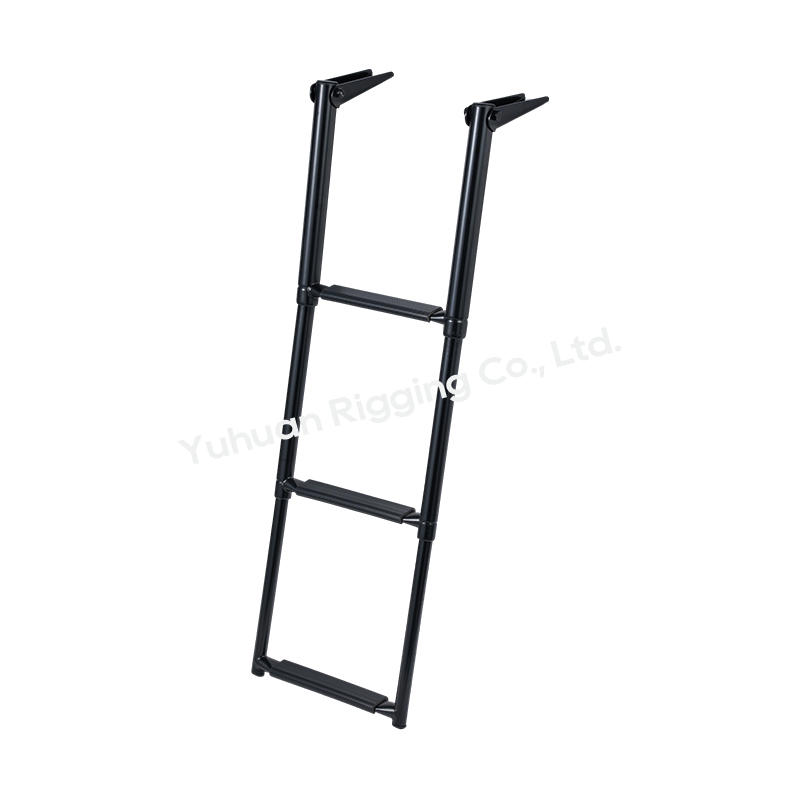
عربىDesigned for vessel platform boarding, this telescopic ladder combines convenience and safety – essential for yachts, fishing boats, and workboats.Material: Polished SS316 – corrosion‑resistant, thick...
See Details
Yacht Metal Parts Depend on Controlled Manufacturing Processes
Published on 09 11, 2026
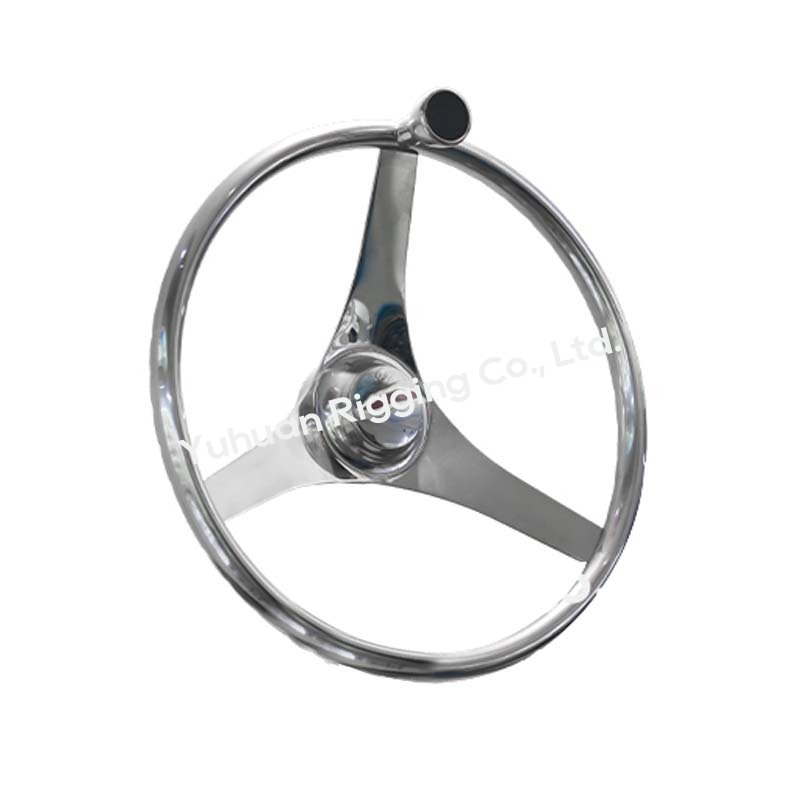
The appearance of a yacht's metal components often draws attention first, but the manufacturing process behind each part has a more direct influence on dimensional consistency, assembly, and final surface quality. Yacht Metal Parts can include rails, brackets, fittings, supports, holders, and other fabricated components with very different shapes and installation requirements. Because many of these parts are produced from tubes, sheets, or machined metal sections, their performance depends on how individual manufacturing processes are coordinated.
Cutting Establishes the Starting Dimensions
Metal fabrication begins with accurate material preparation. Tube or sheet cutting determines the basic dimensions from which subsequent bending, welding, machining, or assembly operations are completed. Even a relatively small dimensional deviation at this stage can become more noticeable after several additional processes.
For Yacht Metal Parts, cutting therefore needs to account for the final geometry rather than treating each piece as an isolated blank. Tube length, end preparation, connection positions, and material thickness may all influence how the component fits into the finished assembly.
Bending Shapes the Final Geometry
Many yacht components use curved or angled tubing because straight sections alone cannot always follow the required deck layout or ergonomic shape. Bending allows manufacturers to produce handrails, frames, supports, and other structures from continuous metal tubing.
The bending process needs to control the intended radius and overall geometry while limiting unwanted deformation. This becomes particularly relevant for Yacht Metal Parts with multiple bends, where the position and angle of one section can affect the alignment of the next. Consistent bending is therefore closely connected with installation accuracy and the visual symmetry of finished components.
Welding Connects Separate Structures
Some marine components require several fabricated pieces to be joined into one structure. Welding can connect tubes, brackets, plates, and other metal elements, creating assemblies that cannot be produced as a single piece.
The location and quality of welded joints can influence the final dimensions of the component. Heat generated during welding may also affect alignment if the structure is not properly controlled during fabrication. For Yacht Metal Parts, welding is consequently both a joining process and a stage that needs to be considered in relation to the finished geometry.
Surface Finishing Influences More Than Appearance
Visible yacht hardware is often expected to have a clean and consistent surface because many components remain exposed after installation. Polishing can refine the appearance of stainless steel parts, while anodizing and other treatments may be applied to aluminum components according to the material and application.
Surface finishing also needs to follow earlier fabrication processes. Weld areas, bends, cut edges, and other processed sections can have different surface characteristics from the original material. A coordinated finishing process helps create a more consistent appearance across the completed Yacht Metal Parts.
Assembly Brings the Processes Together
The final assembly stage provides a practical test of whether earlier manufacturing operations have remained within the required dimensions. Components that share mounting points or connecting structures need to align correctly, particularly when several fabricated parts form one larger assembly.
This is why yacht metal fabrication is not simply a sequence of unrelated operations. Cutting establishes dimensions, bending creates geometry, welding joins structures, and finishing prepares the visible surfaces before assembly brings everything together. A change made during one stage can affect the following stages.
Manufacturing Flexibility Supports Custom Components
Yacht projects frequently involve different layouts, available installation spaces, and design requirements. As a result, Yacht Metal Parts may need to be produced in customized dimensions or configurations rather than according to one universal geometry.
For B2B buyers, this makes manufacturing capability an important part of product development. The ability to coordinate cutting, bending, welding, polishing, and assembly allows a metal component to be developed around its actual installation requirements. Instead of focusing only on the finished appearance, buyers can evaluate how the manufacturing process supports dimensional accuracy, structural configuration, surface treatment, and integration with the surrounding yacht structure.
Related products
-
-
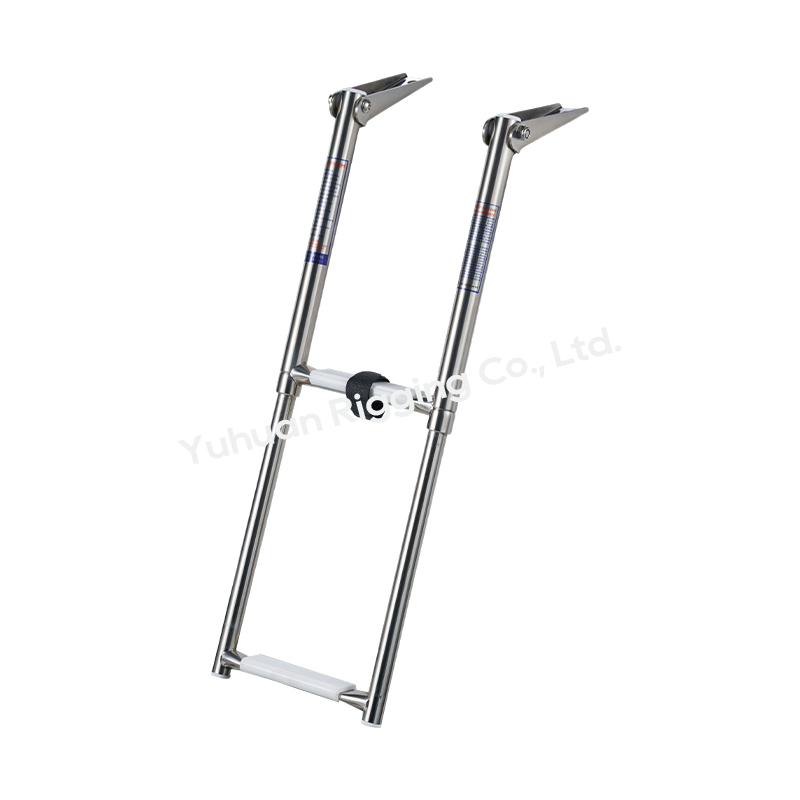
Compact and easy to install, this 2‑step ladder is a practical boarding solution for small yachts, bass boats, and fishing vessels – great value.Material: Marine‑grade stainless steel – rust‑proof and...
See Details -
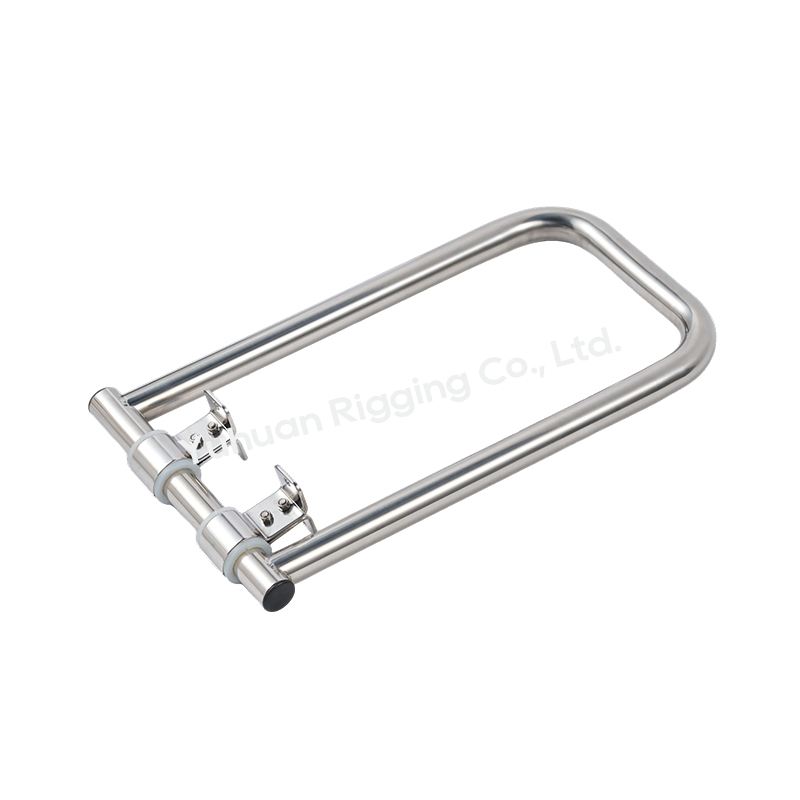
2-Step Fold Down Swim Ladder for Boats and Yachts features a compact fold-down style and high-polished AISI 316 stainless steel construction. The strong tubular frame provides dependable support, whil...
See Details -
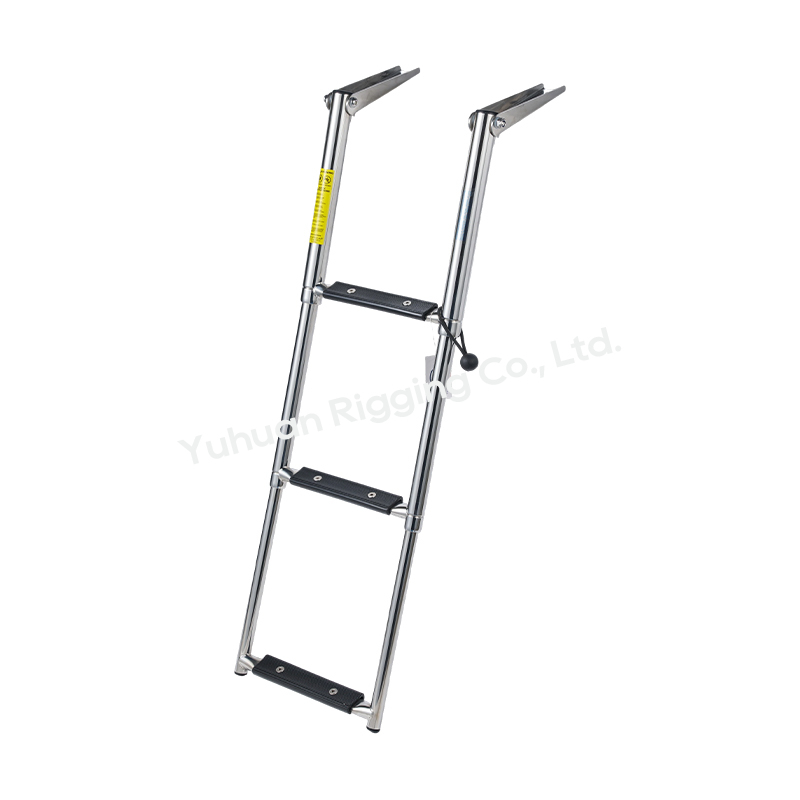
Sturdy and easy to mount, this 3‑step ladder suits small to medium yachts, fishing boats, and speedboats – a versatile boarding solution.Material: Polished marine stainless steel – resists salt spray ...
See Details -
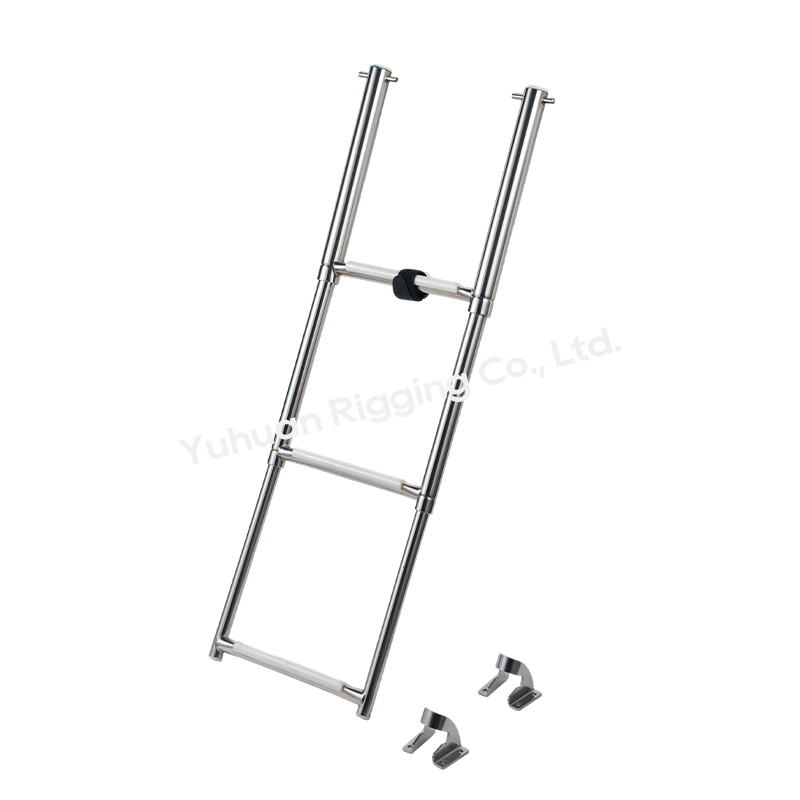
Marine Grade 316 Stainless Steel Telescopic Boat Ladder 254 mm x 875 mm offers a compact boarding solution with a smooth sliding extension system that moves in and out of the water without resistance....
See Details -
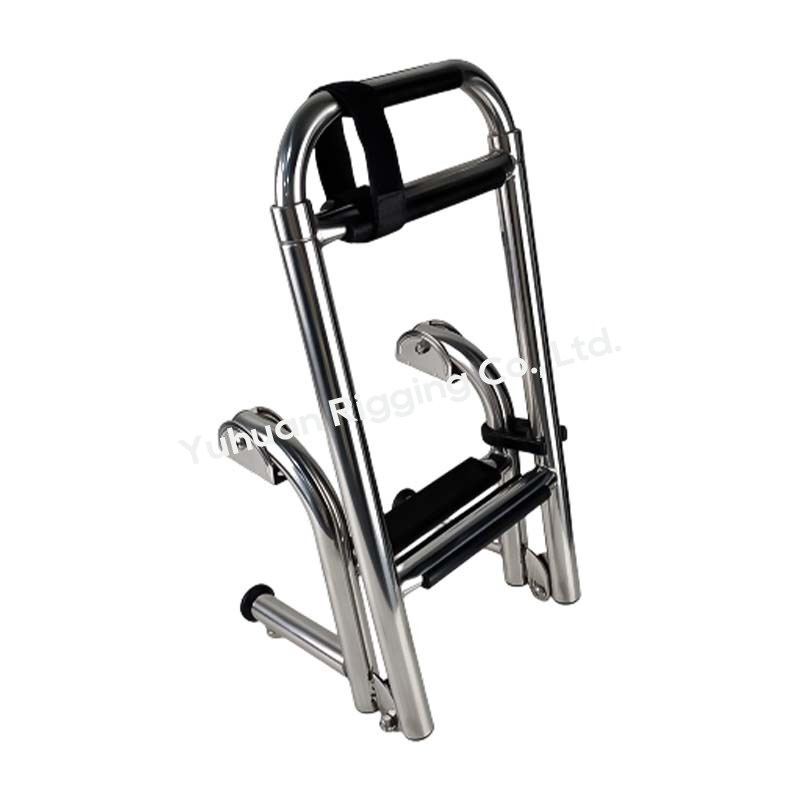
This Marine SS316 3-Step Folding Boat Boarding Ladder is designed for safe and convenient boarding on yachts, fishing boats, speedboats, and other recreational vessels. Made from marine-grade 316 stai...
See Details -
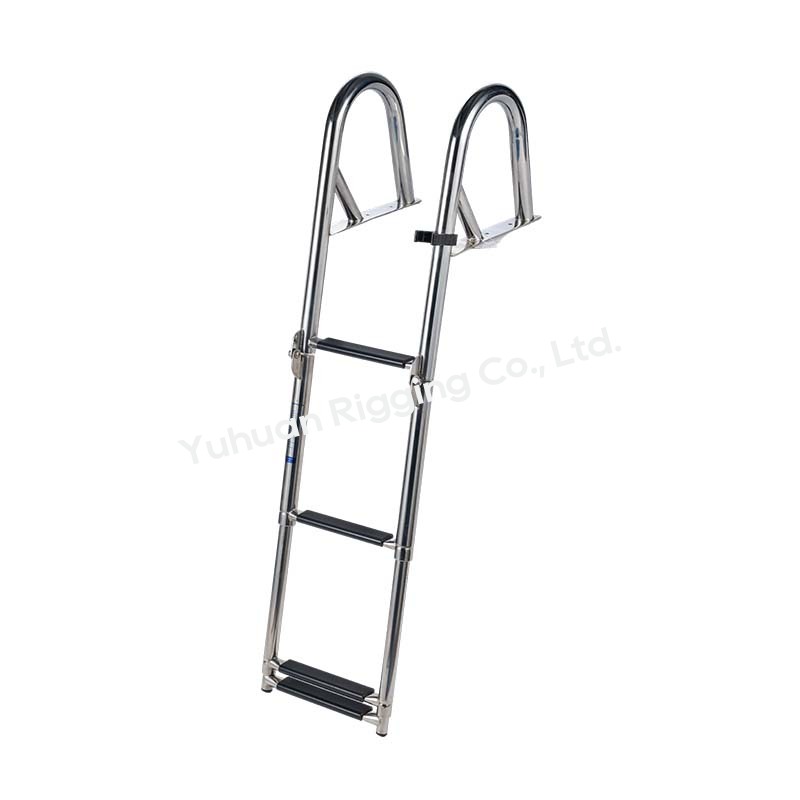
This Marine SS316 3-Step Recessed Telescopic Boat Ladder combines a compact storage design with dependable boarding performance for a wide range of marine applications. Built from marine-grade 316 sta...
See Details -
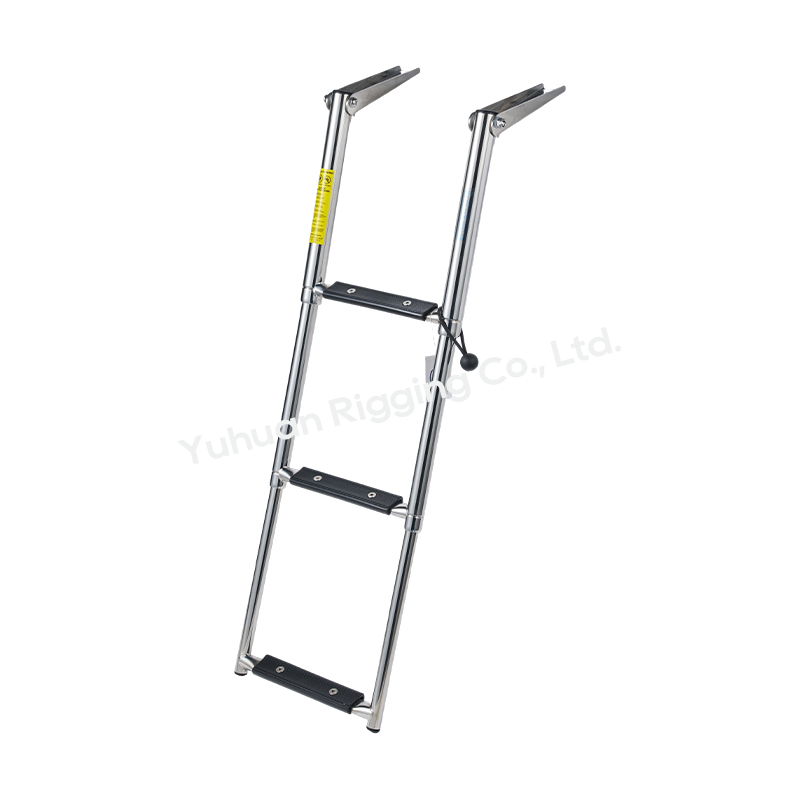
This Marine SS316 3-Step Telescopic Boat Boarding Ladder is designed for convenient boarding and water access on yachts, fishing boats, pontoons, and recreational vessels. Manufactured from marine-gra...
See Details -
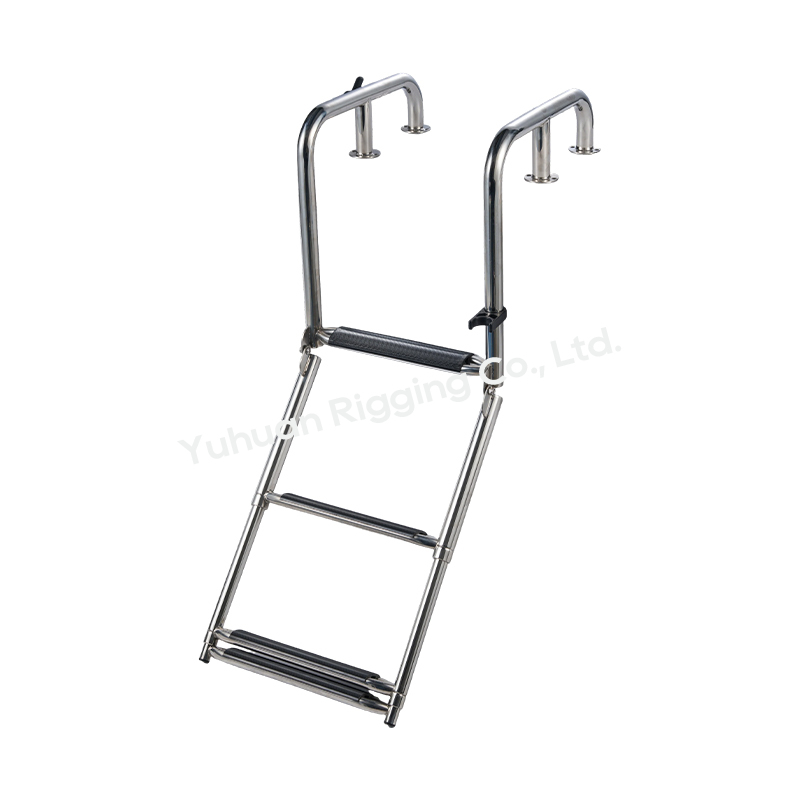
370mm Stainless Steel Telescopic Swim Platform Ladder combines a space-saving telescopic structure with integrated handrails, making boarding safer and more comfortable. Available in 3, 4, and 5-step ...
See Details -
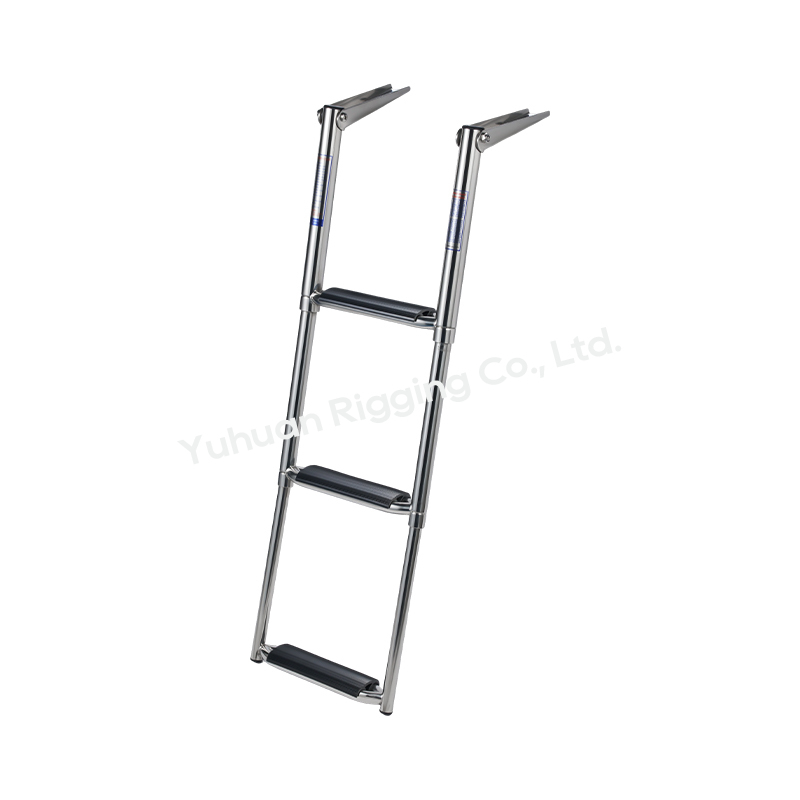
254mm Stainless Steel Telescopic Swim Platform Ladder features a compact three-step telescopic structure. The heavy-duty stainless steel frame offers excellent strength and stability, while the wide a...
See Details -
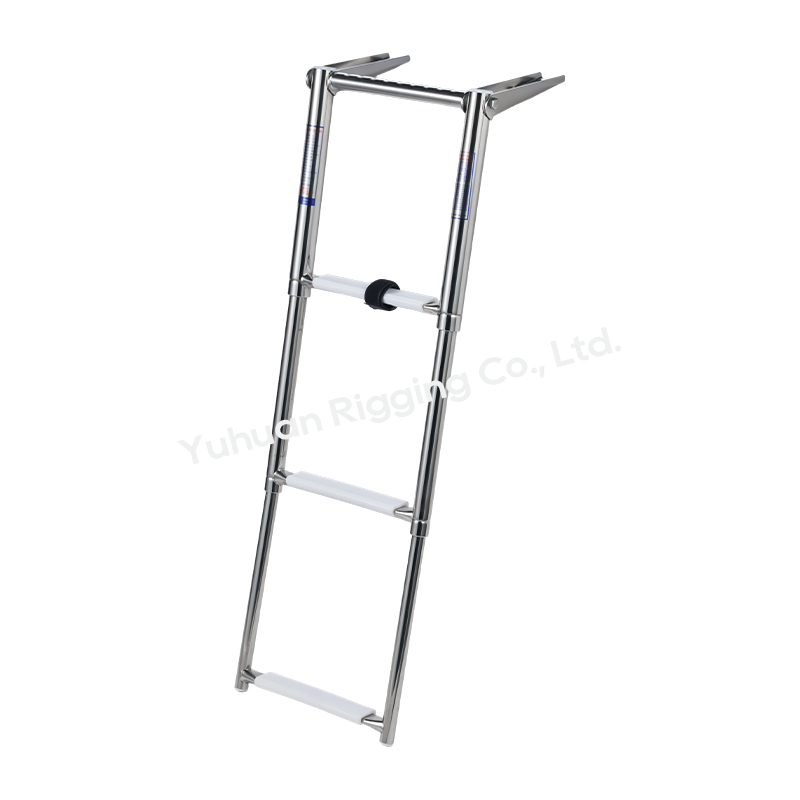
2-4 Steps Stainless Steel Telescopic Swim Platform Ladder offers a practical boarding solution with a smooth telescopic action and a choice of 2 to 4 steps to suit different boat heights. Strong mount...
See Details -
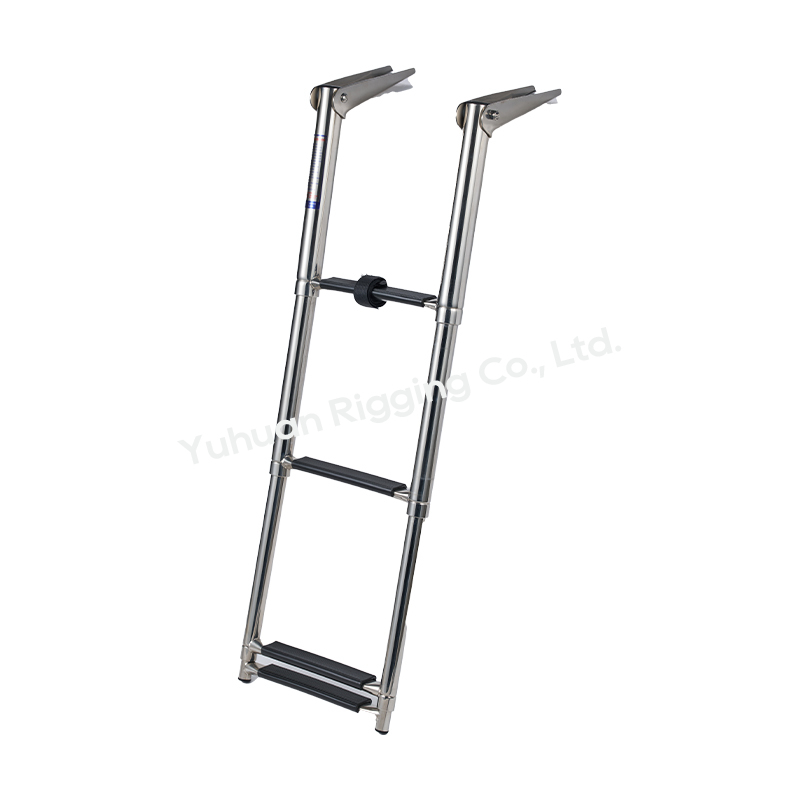
4-Step 316 Stainless Steel Telescopic Boat Boarding Ladder offers a secure and convenient way to board your boat after swimming, diving, or docking. The four-step telescopic structure provides extra c...
See Details

Copyright © Yuhuan Rigging Co., Ltd. All Rights Reserved.
Boat Fittings
