 English
 中文简体
中文简体 عربى
عربىDesigned for vessel platform boarding, this telescopic ladder combines convenience and safety – essential for yachts, fishing boats, and workboats.Material: Polished SS316 – corrosion‑resistant, thick...
See Details
Adjustable Bimini Top Design Adapts to Different Boat Layouts
Published on 09 18, 2026
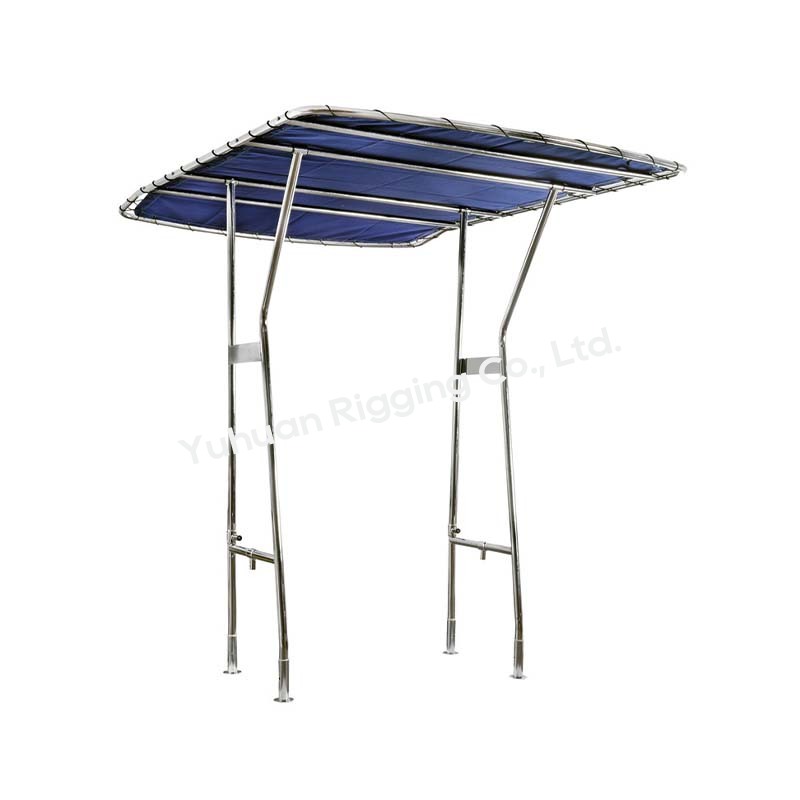
An Adjustable Bimini Top has to do more than provide overhead shade. Its frame and canopy need to work within the limited space of a boat while allowing the structure to be opened, folded, positioned, or stored as needed. Because boats differ in beam width, seating arrangement, deck configuration, and available mounting space, adjustability has become an important part of Bimini top design rather than simply an added convenience.
Boat Layout Influences the Required Dimensions
A Bimini top is installed around existing boat structures, so its dimensions cannot always be selected independently from the vessel. Seating areas, consoles, rails, fishing equipment, and walkways can all affect where the frame can be mounted and how much overhead coverage is practical.
For an Adjustable Bimini Top, the frame configuration can provide greater flexibility when working with different installation spaces. Width, height, and frame geometry need to correspond with the boat's available mounting points and the area that requires coverage. A canopy that is suitable for one boat layout may not have the same fit on another model.
Bow Configuration Changes the Structure
Bimini frames can use different bow configurations depending on the required canopy size and structural arrangement. Two-bow, three-bow, and four-bow designs are used for different boat dimensions and coverage requirements, with additional frame sections changing the way the canopy is supported.
This means an Adjustable Bimini Top should be considered as a complete frame-and-canopy system. Adding or changing frame sections can affect the overall folded size, installation position, and way the fabric is tensioned. Product developers therefore need to match the bow configuration with the boat's dimensions instead of treating the number of bows as an isolated specification.
Adjustability Also Matters During Storage
A boat's shade structure is not always required in the same position. During docking, transport, storage, or situations where overhead clearance is limited, the Bimini may need to be lowered or folded away.
For an Adjustable Bimini Top, the frame joints, support poles, mounting fittings, and folding mechanism all contribute to this flexibility. The structure needs to move through its intended positions without interfering with nearby equipment or the boat's normal operation. Folded dimensions can therefore be just as relevant as the maximum open dimensions when selecting a configuration.
Canopy Design Must Follow the Frame
The fabric canopy and metal frame work as one structural system. Changing the frame width or bow arrangement can alter the supported canopy area and fabric tension. The attachment points also need to correspond with the frame geometry so that the cover sits correctly when deployed.
For B2B buyers, this makes canopy dimensions more meaningful when considered alongside frame specifications. An Adjustable Bimini Top intended for different boat configurations may require variations in canopy size, frame height, tubing arrangement, and mounting hardware rather than simply a longer or wider piece of fabric.
Different Applications Require Different Coverage
Boat usage also influences how the Bimini structure is configured. A recreational cruising boat may prioritize seating-area coverage, while a fishing boat may require a different balance between shade and open deck space. Boats used for day trips, leisure activities, or dockside use can likewise have different clearance and folding requirements.
These differences explain why adjustability is useful at the product-development stage. Instead of designing one fixed structure around a single layout, manufacturers can develop several configurations based on dimensions, bow count, mounting positions, and intended use.
Product Selection Starts With the Boat
For buyers sourcing an Adjustable Bimini Top, the practical starting point is the boat rather than the canopy alone. Beam width, available mounting points, required headroom, open coverage, folded clearance, and surrounding equipment all need to be considered together.
This approach also creates room for customization. Frame dimensions, tubing configurations, mounting hardware, and canopy specifications can be adapted when standard configurations do not correspond with a particular boat layout. In this sense, adjustability is not simply a feature added to a Bimini top. It is a design principle that allows the shade system to accommodate different spaces, operating conditions, and installation requirements.
Related products
-
-
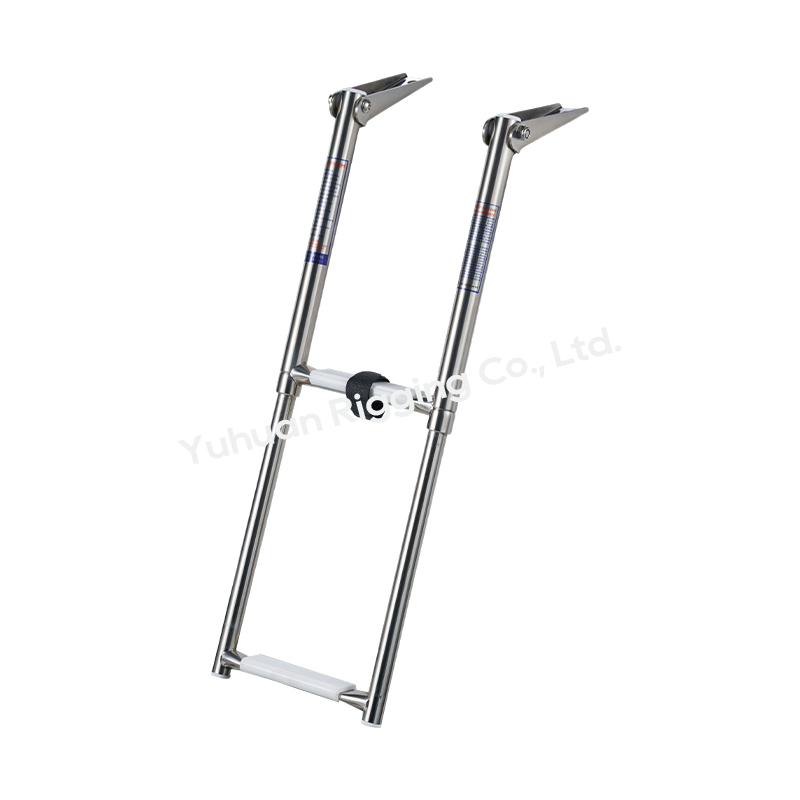
Compact and easy to install, this 2‑step ladder is a practical boarding solution for small yachts, bass boats, and fishing vessels – great value.Material: Marine‑grade stainless steel – rust‑proof and...
See Details -
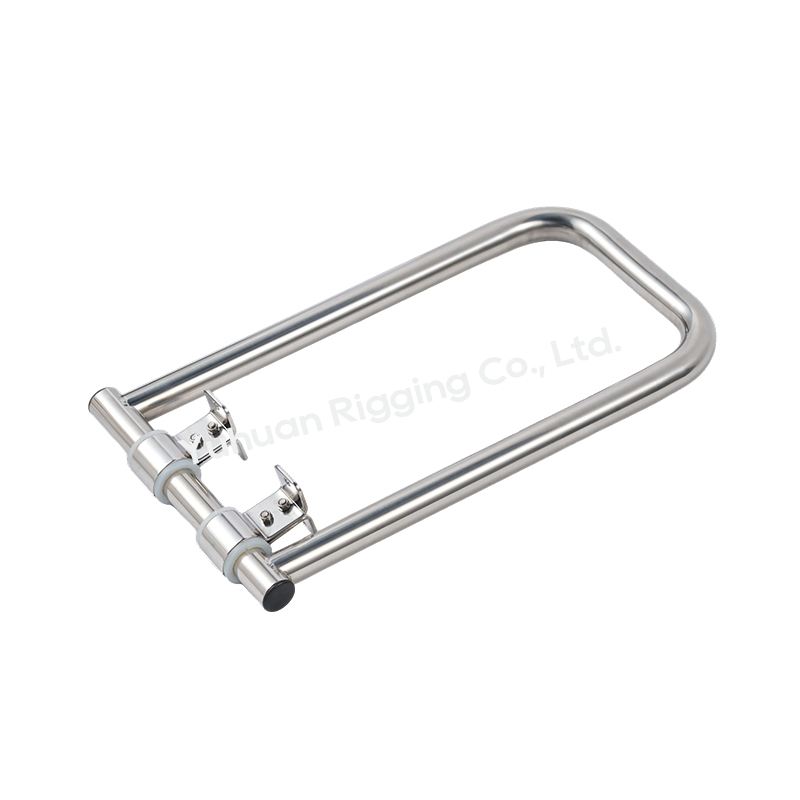
2-Step Fold Down Swim Ladder for Boats and Yachts features a compact fold-down style and high-polished AISI 316 stainless steel construction. The strong tubular frame provides dependable support, whil...
See Details -
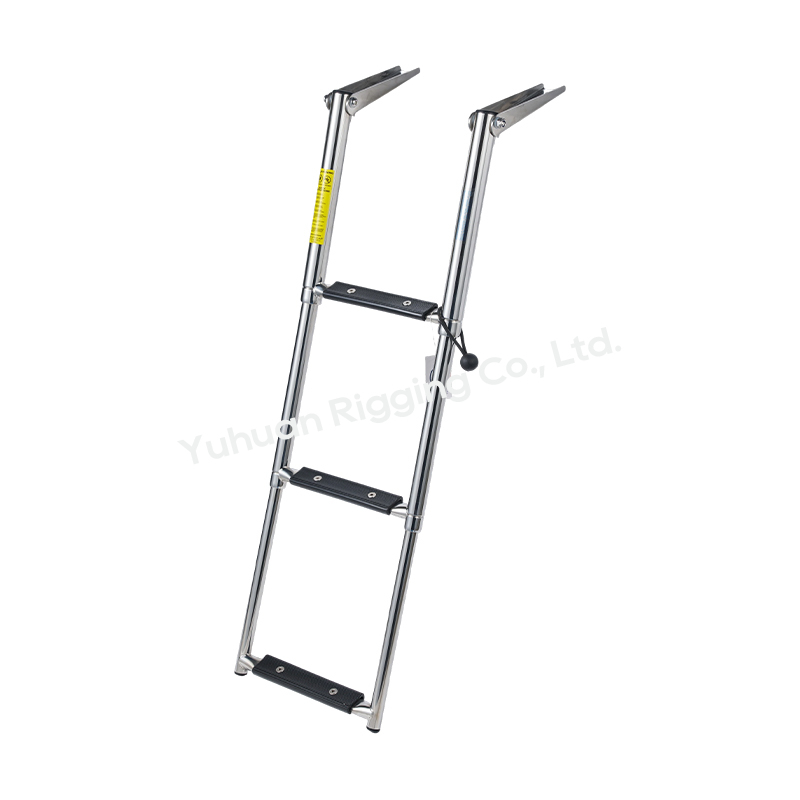
Sturdy and easy to mount, this 3‑step ladder suits small to medium yachts, fishing boats, and speedboats – a versatile boarding solution.Material: Polished marine stainless steel – resists salt spray ...
See Details -
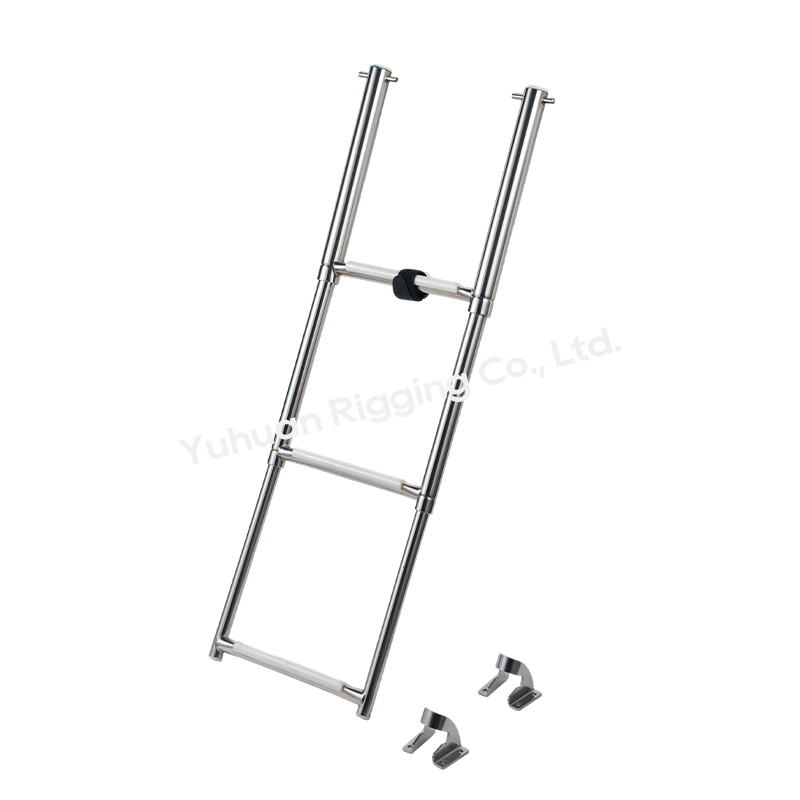
Marine Grade 316 Stainless Steel Telescopic Boat Ladder 254 mm x 875 mm offers a compact boarding solution with a smooth sliding extension system that moves in and out of the water without resistance....
See Details -
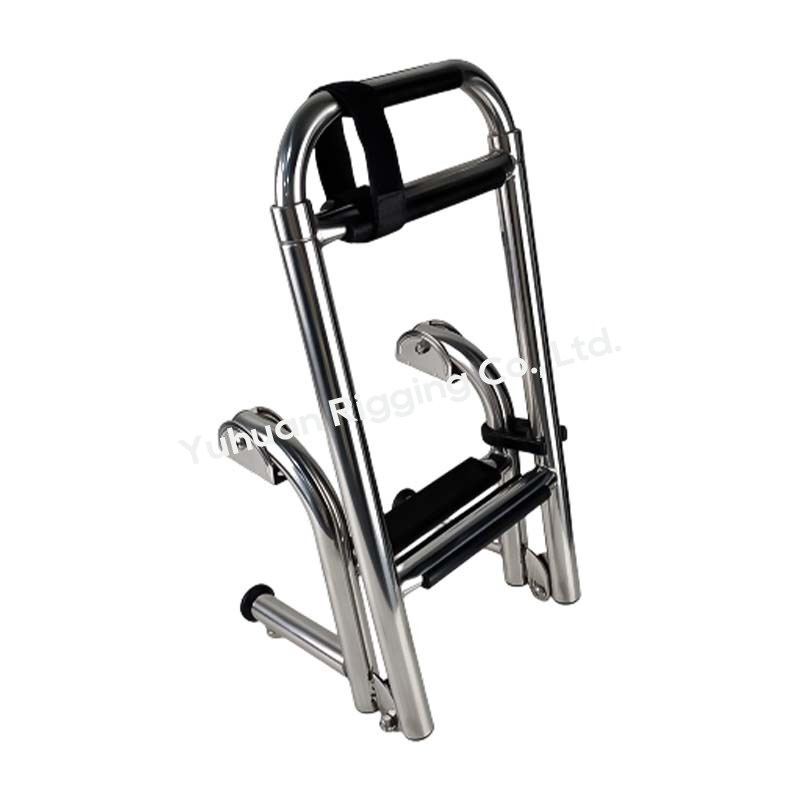
This Marine SS316 3-Step Folding Boat Boarding Ladder is designed for safe and convenient boarding on yachts, fishing boats, speedboats, and other recreational vessels. Made from marine-grade 316 stai...
See Details -
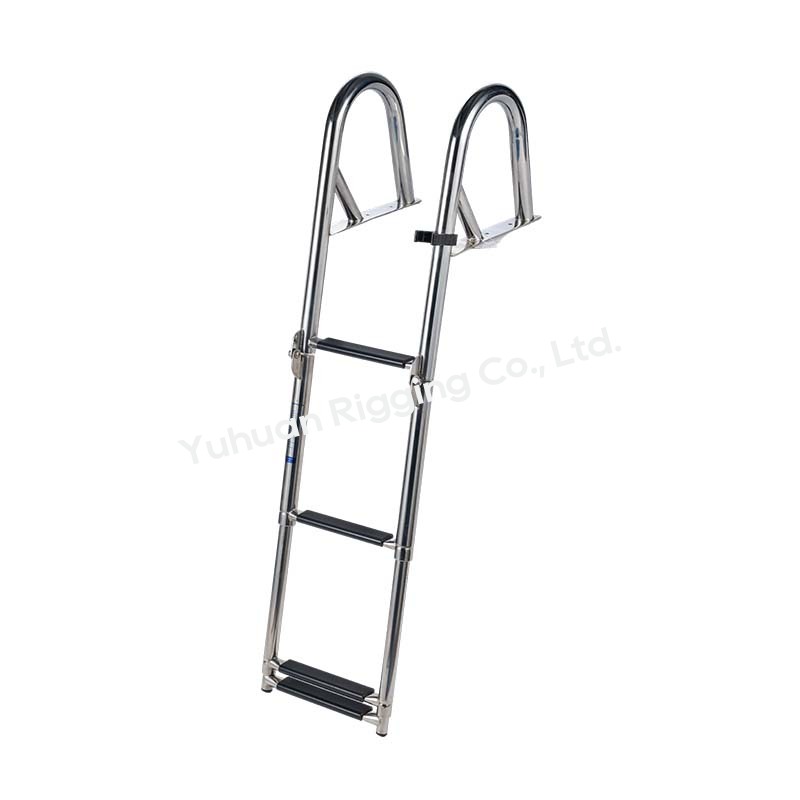
This Marine SS316 3-Step Recessed Telescopic Boat Ladder combines a compact storage design with dependable boarding performance for a wide range of marine applications. Built from marine-grade 316 sta...
See Details -
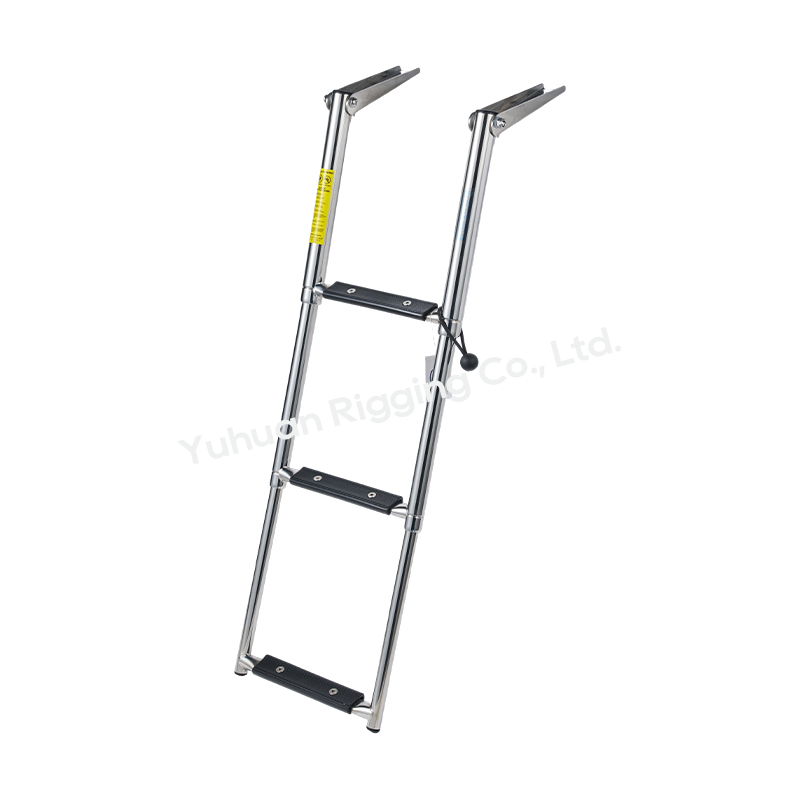
This Marine SS316 3-Step Telescopic Boat Boarding Ladder is designed for convenient boarding and water access on yachts, fishing boats, pontoons, and recreational vessels. Manufactured from marine-gra...
See Details -
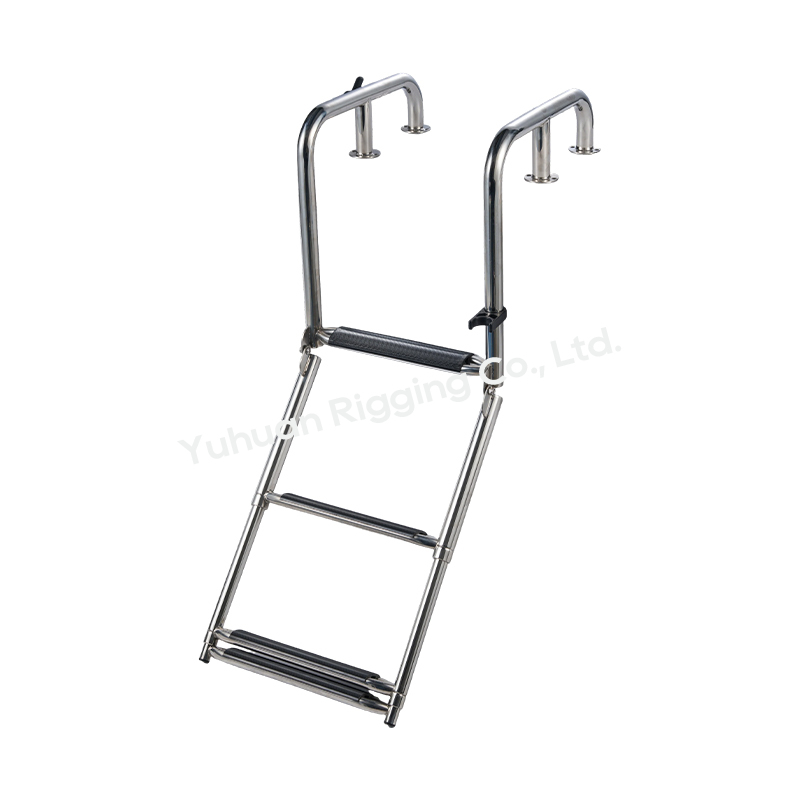
370mm Stainless Steel Telescopic Swim Platform Ladder combines a space-saving telescopic structure with integrated handrails, making boarding safer and more comfortable. Available in 3, 4, and 5-step ...
See Details -
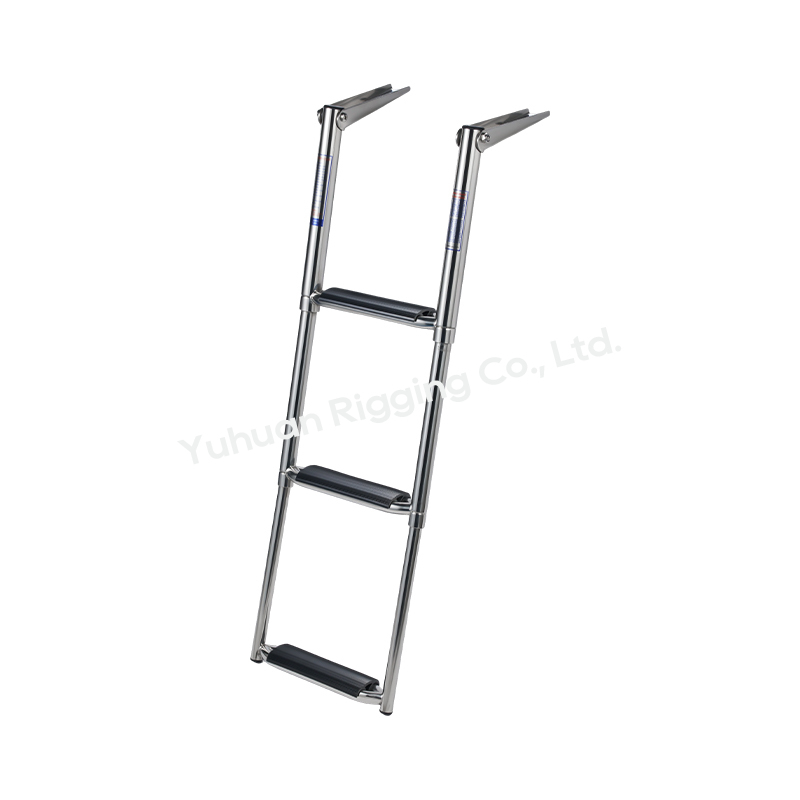
254mm Stainless Steel Telescopic Swim Platform Ladder features a compact three-step telescopic structure. The heavy-duty stainless steel frame offers excellent strength and stability, while the wide a...
See Details -
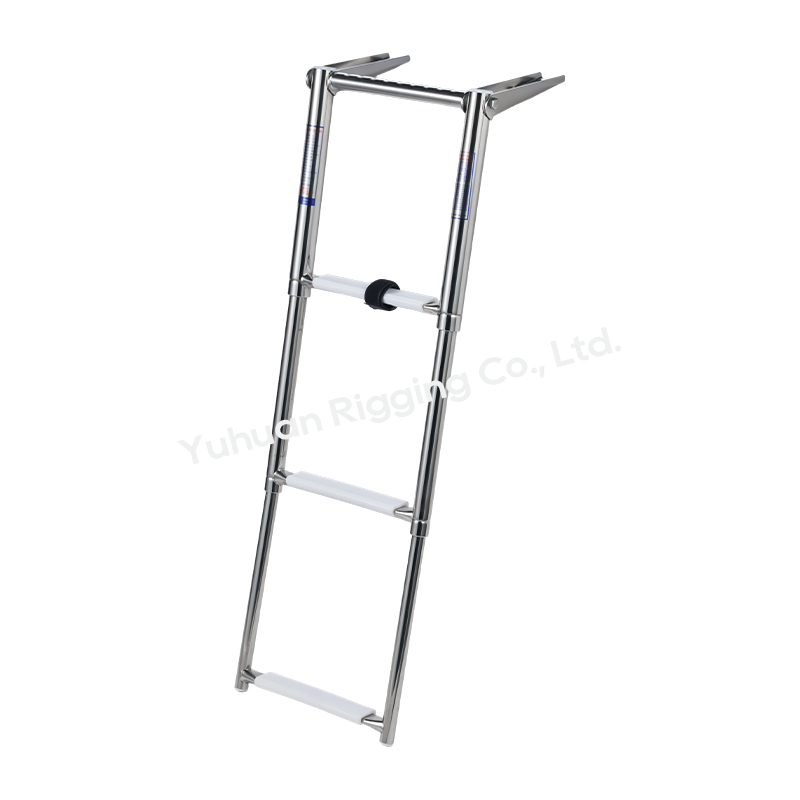
2-4 Steps Stainless Steel Telescopic Swim Platform Ladder offers a practical boarding solution with a smooth telescopic action and a choice of 2 to 4 steps to suit different boat heights. Strong mount...
See Details -
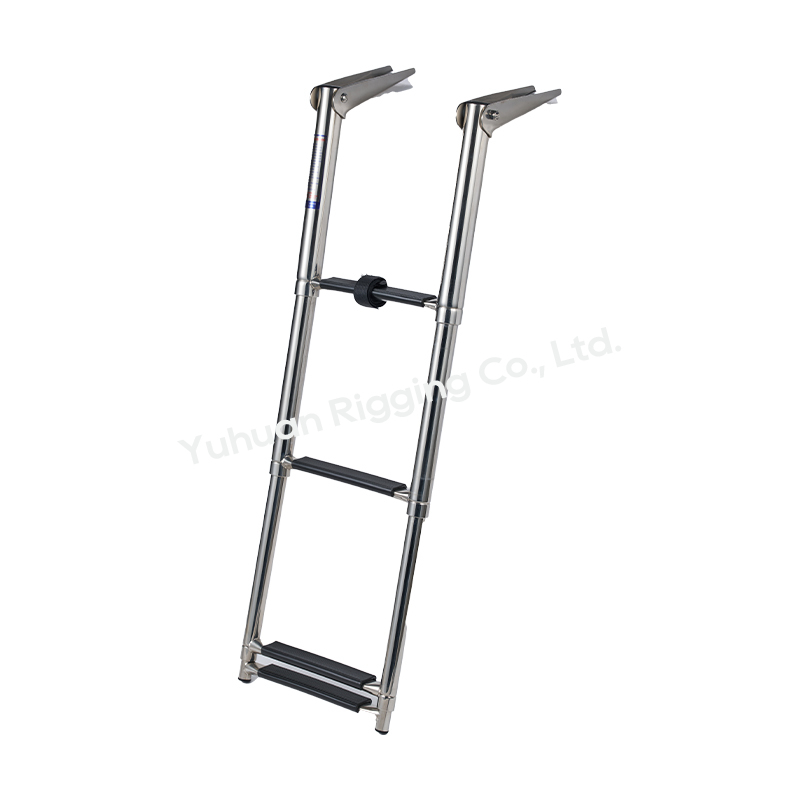
4-Step 316 Stainless Steel Telescopic Boat Boarding Ladder offers a secure and convenient way to board your boat after swimming, diving, or docking. The four-step telescopic structure provides extra c...
See Details

Copyright © Yuhuan Rigging Co., Ltd. All Rights Reserved.
Boat Fittings
