 English
 中文简体
中文简体 عربى
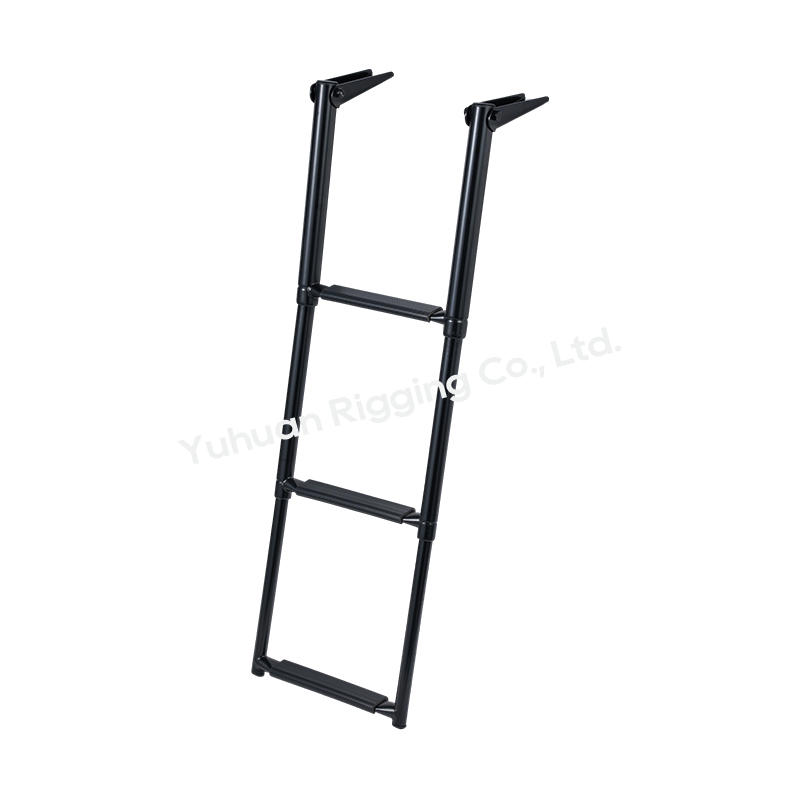
عربىDesigned for vessel platform boarding, this telescopic ladder combines convenience and safety – essential for yachts, fishing boats, and workboats.Material: Polished SS316 – corrosion‑resistant, thick...
See Details
Aluminum Bimini Top Frame Balances Weight and Structure
Published on 09 25, 2026
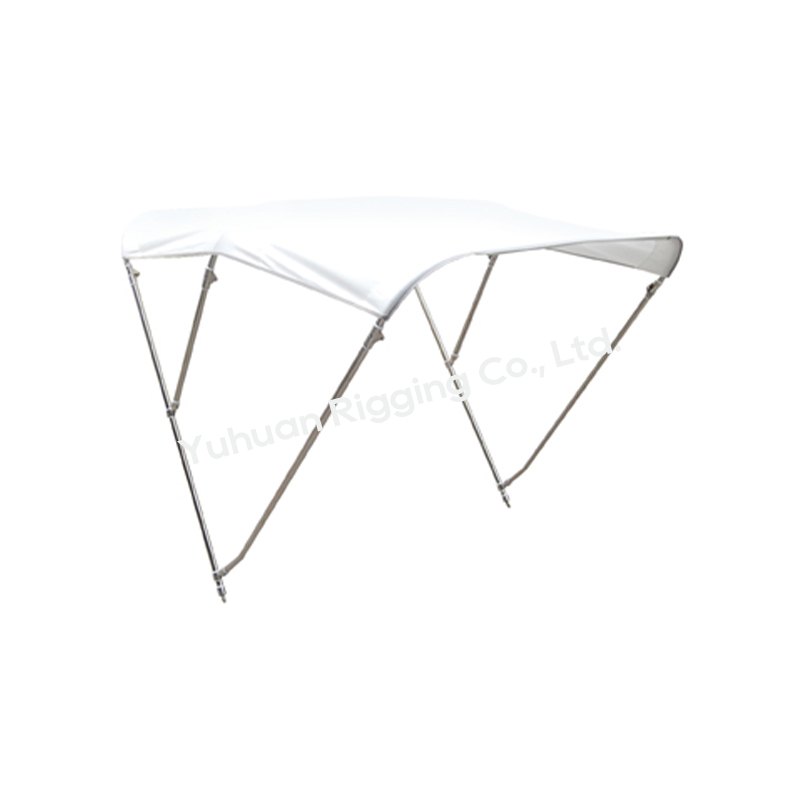
The frame determines much of the physical behavior of a Bimini top, from its overall weight and support arrangement to the way it folds for storage. An Aluminum Bimini Top Frame is particularly suited to applications where the structure needs to remain relatively light while providing a stable framework for the canopy. Its performance is influenced not only by the aluminum itself, but also by tube dimensions, bending accuracy, joints, mounting points, and surface treatment.
Aluminum Reduces Structural Weight
Weight is an important consideration for components that are repeatedly raised, lowered, folded, and stored on a boat. Compared with many heavier metal structures, aluminum provides a lower-weight option for constructing tubular Bimini frames.
For an Aluminum Bimini Top Frame, reducing frame weight can make manual handling more manageable while also limiting the additional load added to the boat. This becomes increasingly relevant when the Bimini is large or uses multiple frame sections. The objective is not simply to use as little material as possible, but to establish an appropriate relationship between tube size, wall construction, frame geometry, and the loads expected during use.
Tube Geometry Influences the Frame
Bimini frames commonly rely on tubular sections because tubes provide a practical combination of weight and structural efficiency. Diameter, wall thickness, bend radius, and overall configuration can all influence how the frame behaves.
The tube geometry of an Aluminum Bimini Top Frame also determines how the canopy is positioned above the boat. A change in tube length or bend angle can affect the final height, width, and alignment of the assembled structure. This is why accurate tube cutting and bending are important manufacturing stages rather than purely cosmetic operations.
Bow Configuration Changes Load Distribution
Different Bimini configurations may use two, three, or four bows according to the required coverage and boat dimensions. Increasing the number of bows changes how the canopy is supported and how the frame is distributed across its length.
For an Aluminum Bimini Top Frame, bow spacing therefore needs to correspond with the canopy dimensions and installation layout. The frame cannot be evaluated only by its individual tubes because the bows, support poles, joints, and mounting points function as one structure. A suitable configuration balances the required coverage with the available installation space.
Surface Treatment Matters in Marine Use
Aluminum used in marine equipment may be exposed to moisture and salt-laden environments, making surface treatment an important part of product development. Anodizing is commonly used on aluminum components to create a controlled oxide layer on the surface.
For an Aluminum Bimini Top Frame, surface treatment can also contribute to a consistent appearance across visible tubing. However, finishing needs to be considered together with cutting, bending, drilling, and other fabrication operations because processed areas may require appropriate treatment and quality control.
Folding Requires Consistent Joints
The ability to fold a Bimini frame depends on more than the flexibility of the tubing. Hinges, support poles, mounting brackets, and connection points determine how the structure moves between its open and stored positions.
This makes joint positioning particularly important for an Aluminum Bimini Top Frame . Poorly aligned components can affect folding movement or the final position of the canopy. Accurate fabrication and assembly help ensure that the different frame sections correspond with the intended folding geometry.
Lightweight Does Not Mean One Standard Design
Different boats require different combinations of width, height, bow count, tubing configuration, and mounting arrangement. A frame designed for a compact recreational boat may not suit a larger vessel with a wider seating or cockpit area.
For B2B buyers, an Aluminum Bimini Top Frame is therefore better evaluated as a configurable structural system rather than simply an aluminum tube assembly. Dimensions, tube specifications, frame configuration, surface treatment, mounting hardware, and folding requirements all contribute to the final design.
The value of aluminum in Bimini construction comes from how its material characteristics work together with the frame geometry. When tube selection, bending, joining, finishing, and assembly are coordinated, the resulting structure can provide a practical balance between manageable weight and the support required for the canopy. This balance is central to developing Bimini frames for different boat layouts and installation requirements.
Related products
-
-
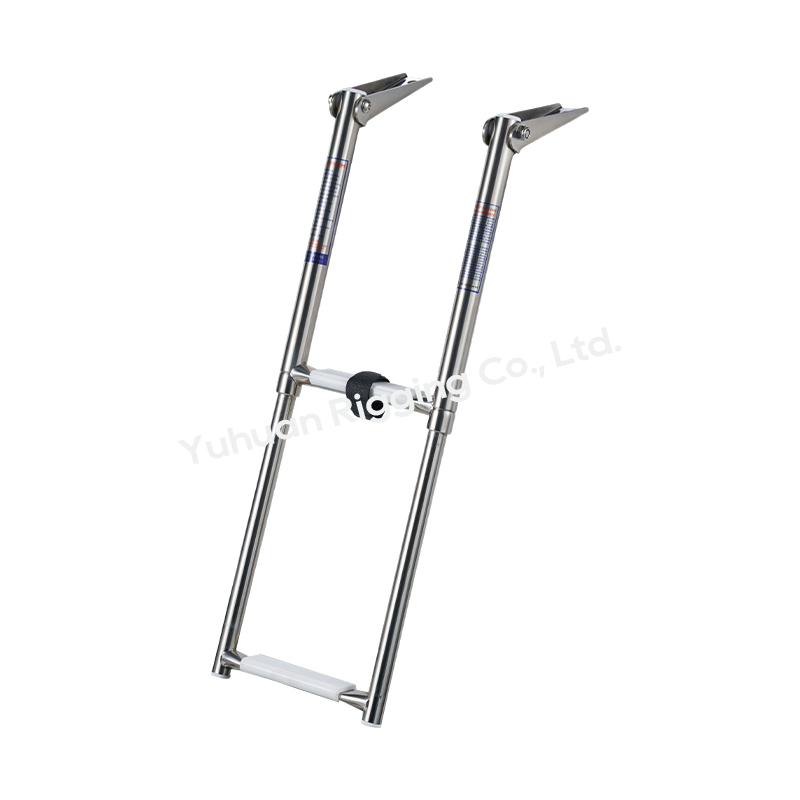
Compact and easy to install, this 2‑step ladder is a practical boarding solution for small yachts, bass boats, and fishing vessels – great value.Material: Marine‑grade stainless steel – rust‑proof and...
See Details -
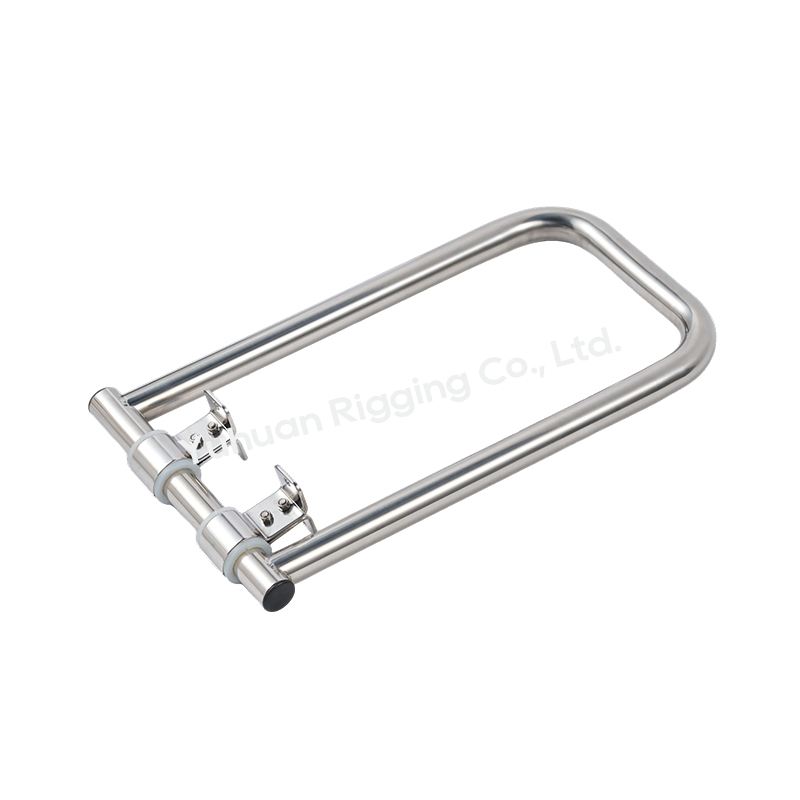
2-Step Fold Down Swim Ladder for Boats and Yachts features a compact fold-down style and high-polished AISI 316 stainless steel construction. The strong tubular frame provides dependable support, whil...
See Details -
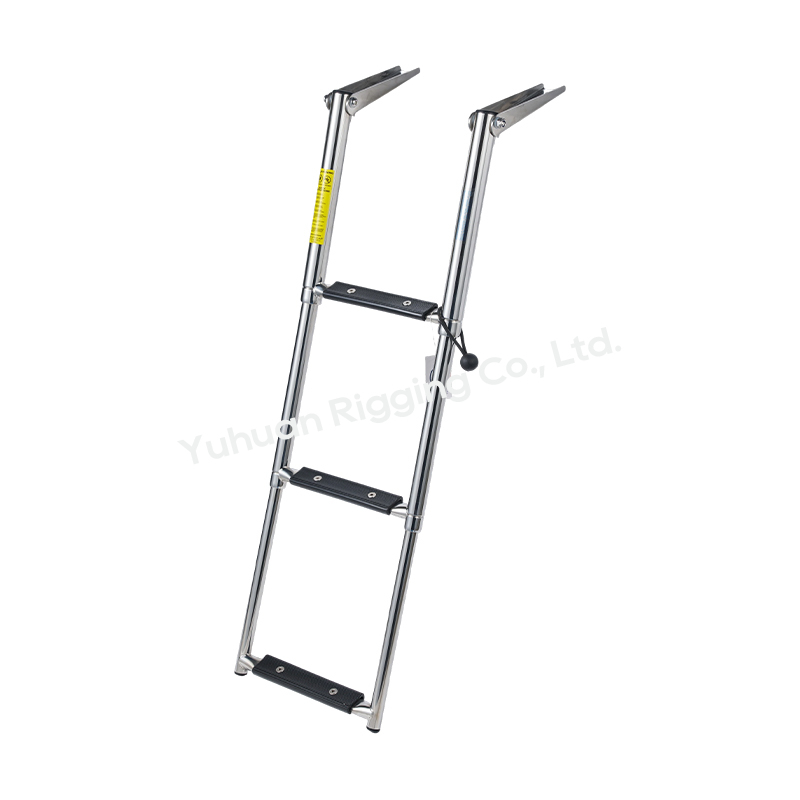
Sturdy and easy to mount, this 3‑step ladder suits small to medium yachts, fishing boats, and speedboats – a versatile boarding solution.Material: Polished marine stainless steel – resists salt spray ...
See Details -
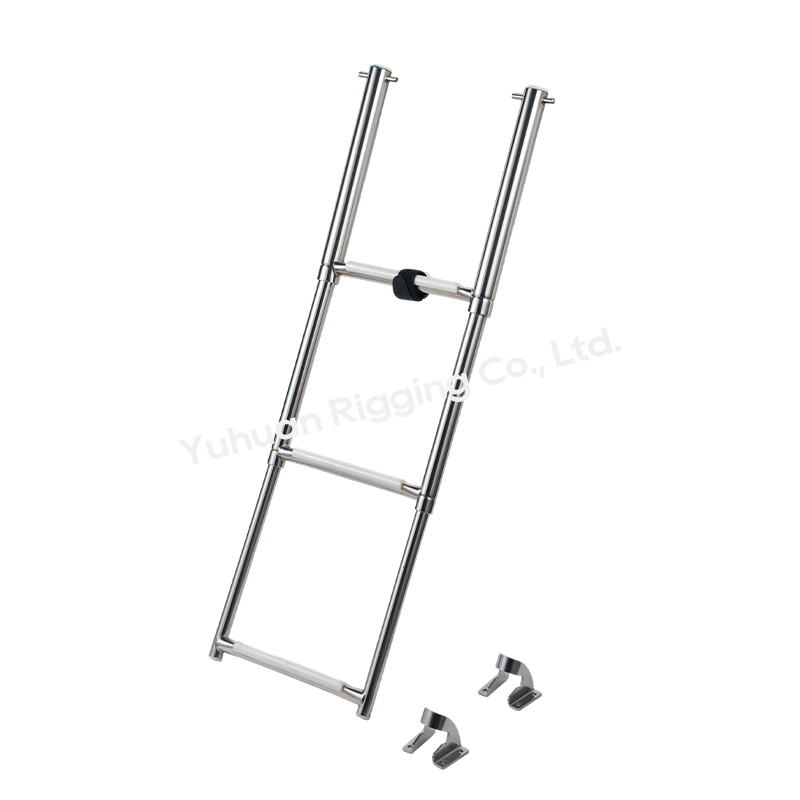
Marine Grade 316 Stainless Steel Telescopic Boat Ladder 254 mm x 875 mm offers a compact boarding solution with a smooth sliding extension system that moves in and out of the water without resistance....
See Details -
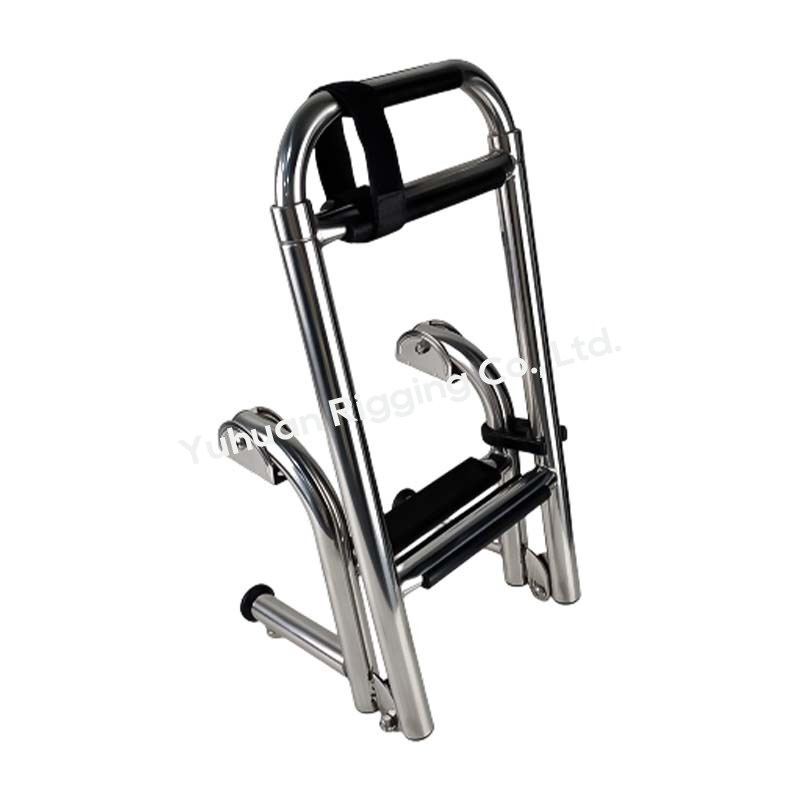
This Marine SS316 3-Step Folding Boat Boarding Ladder is designed for safe and convenient boarding on yachts, fishing boats, speedboats, and other recreational vessels. Made from marine-grade 316 stai...
See Details -
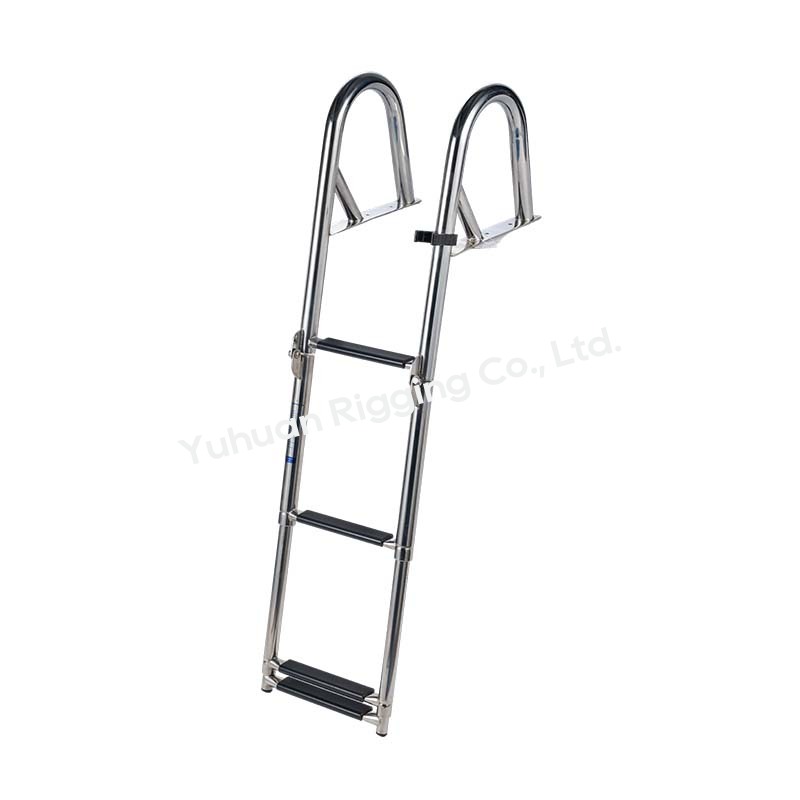
This Marine SS316 3-Step Recessed Telescopic Boat Ladder combines a compact storage design with dependable boarding performance for a wide range of marine applications. Built from marine-grade 316 sta...
See Details -
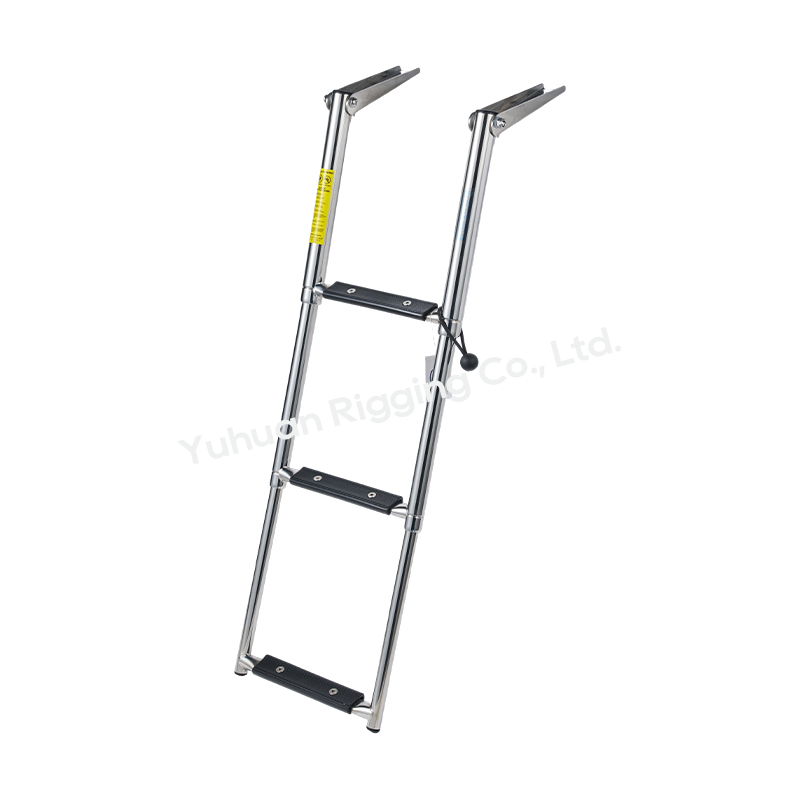
This Marine SS316 3-Step Telescopic Boat Boarding Ladder is designed for convenient boarding and water access on yachts, fishing boats, pontoons, and recreational vessels. Manufactured from marine-gra...
See Details -
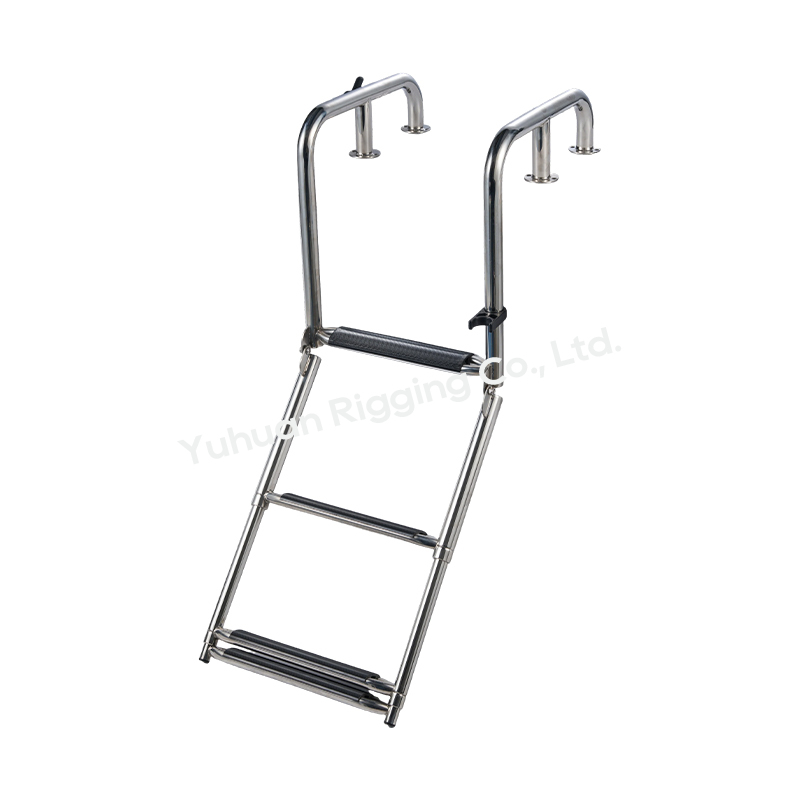
370mm Stainless Steel Telescopic Swim Platform Ladder combines a space-saving telescopic structure with integrated handrails, making boarding safer and more comfortable. Available in 3, 4, and 5-step ...
See Details -
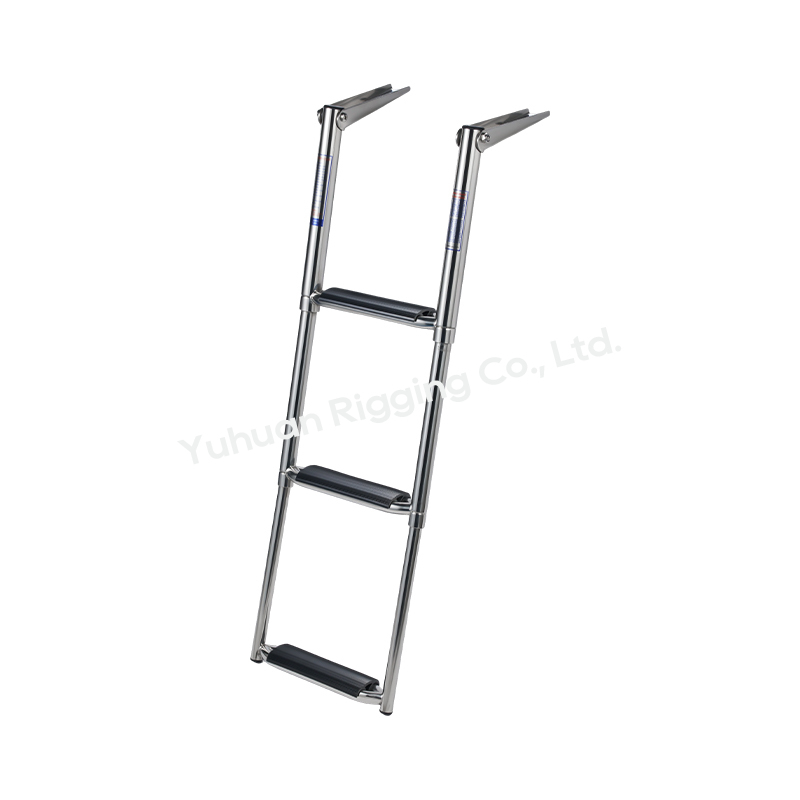
254mm Stainless Steel Telescopic Swim Platform Ladder features a compact three-step telescopic structure. The heavy-duty stainless steel frame offers excellent strength and stability, while the wide a...
See Details -
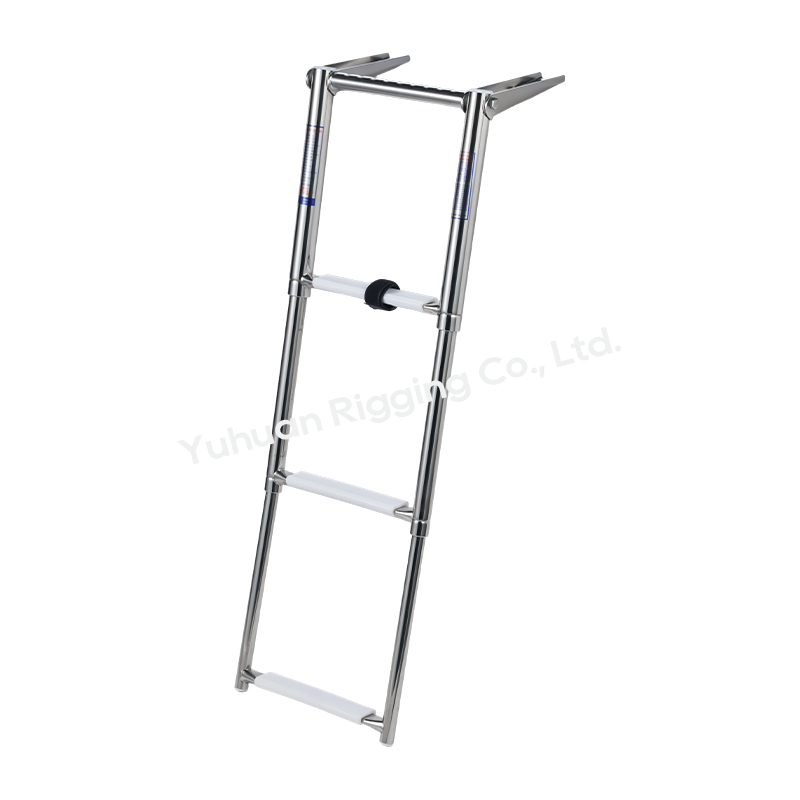
2-4 Steps Stainless Steel Telescopic Swim Platform Ladder offers a practical boarding solution with a smooth telescopic action and a choice of 2 to 4 steps to suit different boat heights. Strong mount...
See Details -
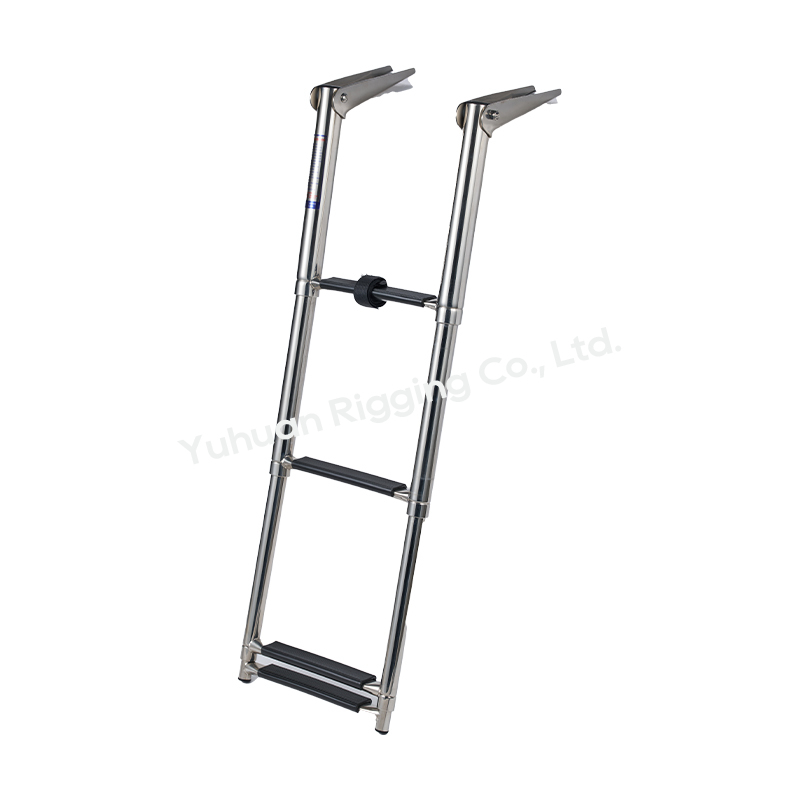
4-Step 316 Stainless Steel Telescopic Boat Boarding Ladder offers a secure and convenient way to board your boat after swimming, diving, or docking. The four-step telescopic structure provides extra c...
See Details

Copyright © Yuhuan Rigging Co., Ltd. All Rights Reserved.
Boat Fittings
