 English
 中文简体
中文简体 عربى
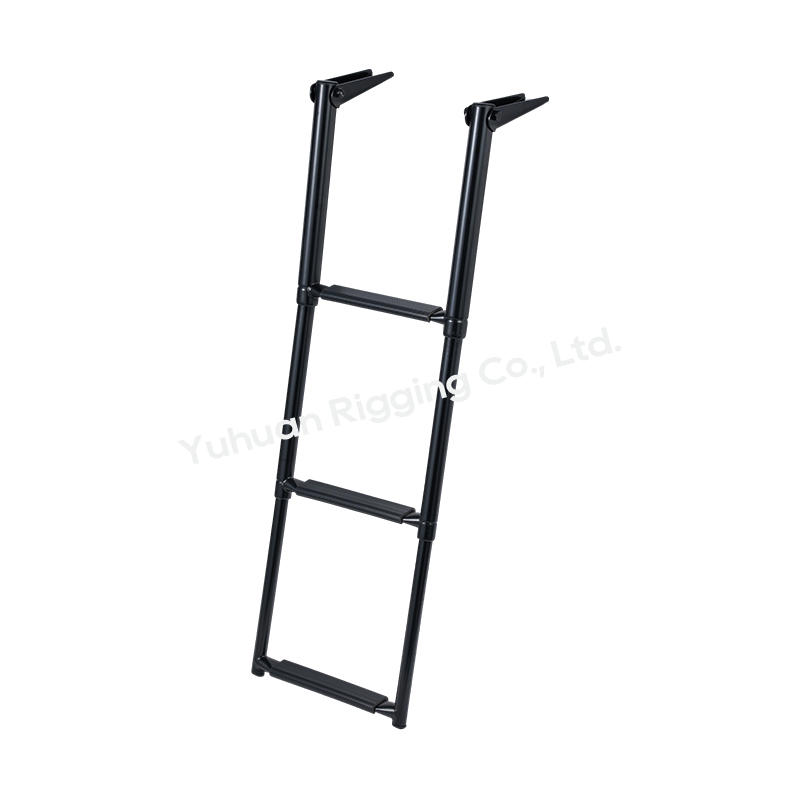
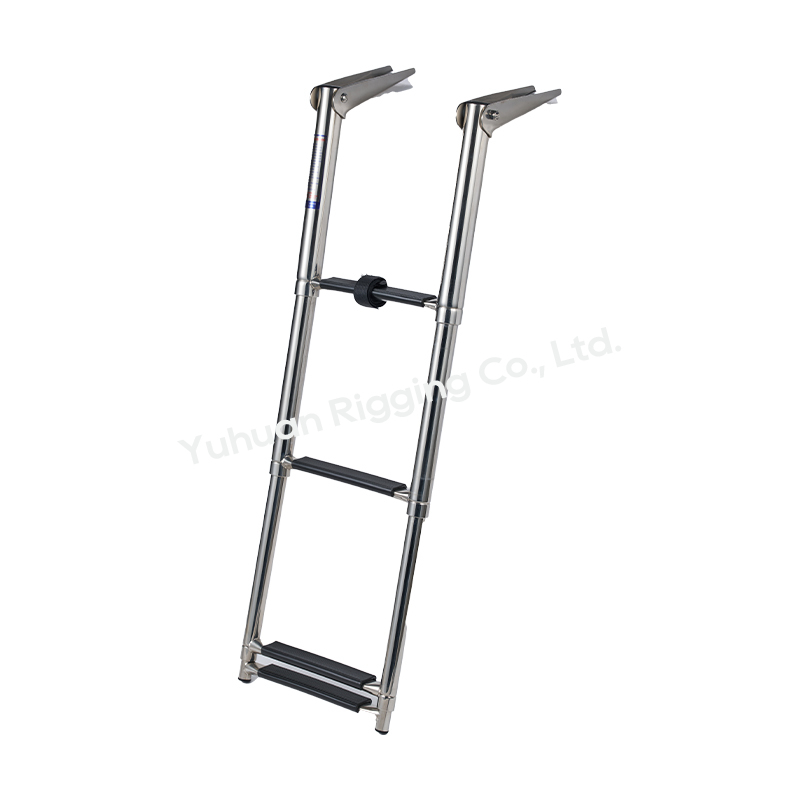
عربىDesigned for vessel platform boarding, this telescopic ladder combines convenience and safety – essential for yachts, fishing boats, and workboats.Material: Polished SS316 – corrosion‑resistant, thick...
See Details
Marine Hardware Accessories Move Toward Integrated Boat Systems
Published on 09 04, 2026
Marine equipment is rarely built around one isolated component. A deck fitting may need to match a handrail, a boarding ladder may depend on suitable mounting hardware, and a rod holder or other accessory has to work within the available space on the boat. This is why Marine Hardware Accessories are increasingly considered as part of a broader boat equipment system rather than as unrelated individual parts. For B2B buyers, the relationship between components can be just as important as the specification of each product.
Different Components Serve Connected Functions
Marine hardware covers a wide range of products because boats combine structural, access, storage, safety, and recreational requirements within a limited space. Hardware used around the deck may include rails, ladders, hinges, brackets, holders, fasteners, and other fittings, with each component serving a particular function.
When several products are installed on the same boat, their dimensions and mounting methods need to work together. A ladder, for example, needs an appropriate mounting position and sufficient surrounding clearance, while a handrail has to correspond with the available deck structure. This makes Marine Hardware Accessories part of the overall layout rather than simple add-on components.
Compatibility Becomes a Product Selection Factor
For distributors, boatbuilders, repair businesses, and marine equipment buyers, compatibility can influence purchasing decisions. Two components may both meet their individual dimensional requirements but still be difficult to integrate if their mounting patterns, tube sizes, connection methods, or available installation space are different.
This is particularly relevant when buyers source several categories from the same product range. Standardized dimensions and compatible connection structures can simplify product selection and reduce the number of different installation arrangements that need to be considered. It can also make replacement or expansion easier when a boat is modified later.
Material Selection Follows the Application
Marine hardware is exposed to conditions that can vary significantly between applications. Saltwater exposure, moisture, mechanical loading, temperature changes, and repeated handling all influence how a component needs to be designed.
Stainless steel and marine-grade aluminum are commonly used in different types of marine hardware, while the appropriate choice depends on the component, structural requirements, weight considerations, and installation environment. For Marine Hardware Accessories, material selection therefore needs to correspond with the actual function of the part rather than being treated as a universal specification.
Surface finishing can also become part of the design. Polishing, anodizing, and other finishing processes may be selected according to the material and the intended application, while also influencing the appearance of visible components.
Product Families Support More Flexible Sourcing
A broad product range can be useful when a buyer needs several types of hardware for the same project. Instead of developing every component independently, product families allow related parts to be evaluated through common dimensions, materials, and manufacturing methods.
This is where Marine Hardware Accessories have particular relevance for B2B sourcing. A buyer may require several deck fittings, different holders, access components, or custom metal parts for one boat model. Having multiple categories available within a compatible manufacturing system can make it easier to coordinate specifications and customization requirements.
Customization does not necessarily mean creating an entirely new product. Adjustments to dimensions, tube configurations, mounting structures, surface finishes, or other details may be sufficient to adapt an existing design to a particular boat layout.
Manufacturing Links Individual Parts Together
The production of marine hardware often involves several connected processes, including tube cutting, bending, welding, polishing, and assembly. The consistency of these processes can influence whether separate components fit together as intended.
For Marine Hardware Accessories, this manufacturing relationship is especially relevant when multiple products share similar tubing, connection methods, or surface treatments. A coordinated production approach can help maintain dimensional consistency across different components while still allowing individual products to serve different functions.
As marine equipment becomes more modular and customized, the value of hardware lies increasingly in how individual parts work together. For B2B buyers, looking at Marine Hardware Accessories as a coordinated product category can provide a more practical basis for selecting dimensions, materials, mounting
Related products
-
-
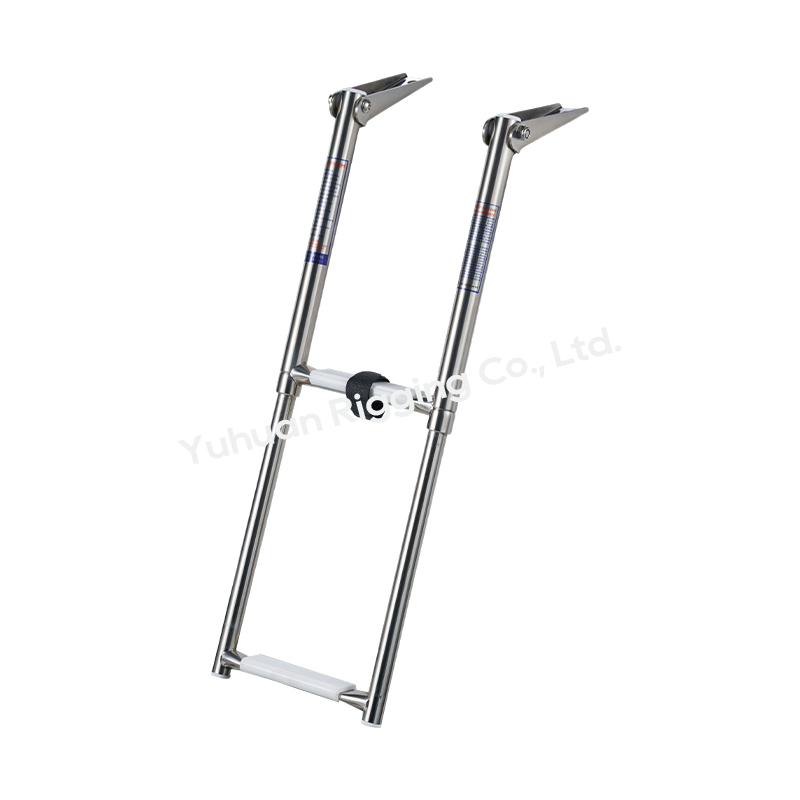
Compact and easy to install, this 2‑step ladder is a practical boarding solution for small yachts, bass boats, and fishing vessels – great value.Material: Marine‑grade stainless steel – rust‑proof and...
See Details -
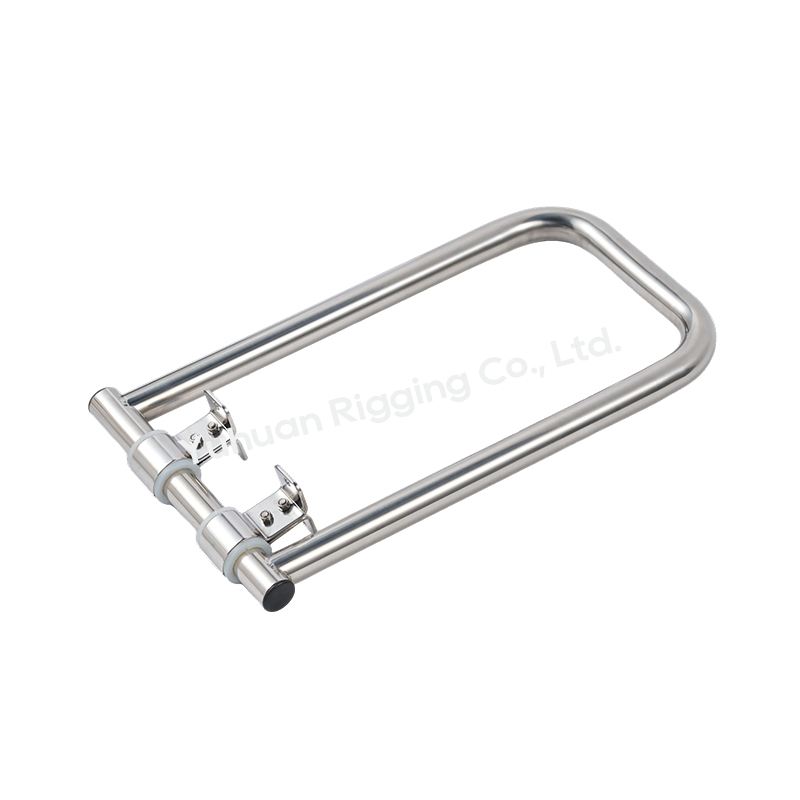
2-Step Fold Down Swim Ladder for Boats and Yachts features a compact fold-down style and high-polished AISI 316 stainless steel construction. The strong tubular frame provides dependable support, whil...
See Details -
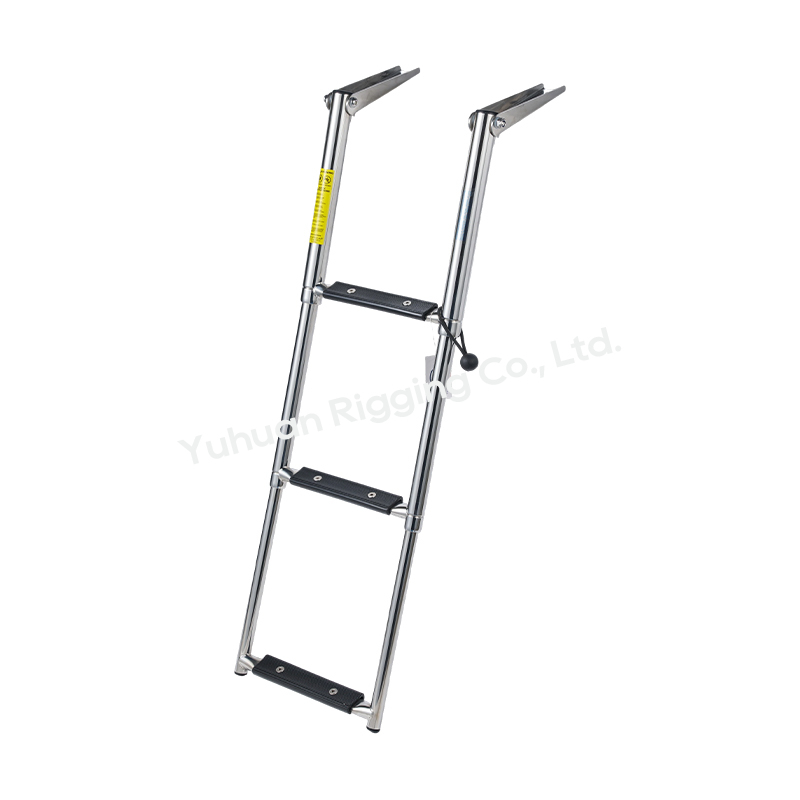
Sturdy and easy to mount, this 3‑step ladder suits small to medium yachts, fishing boats, and speedboats – a versatile boarding solution.Material: Polished marine stainless steel – resists salt spray ...
See Details -
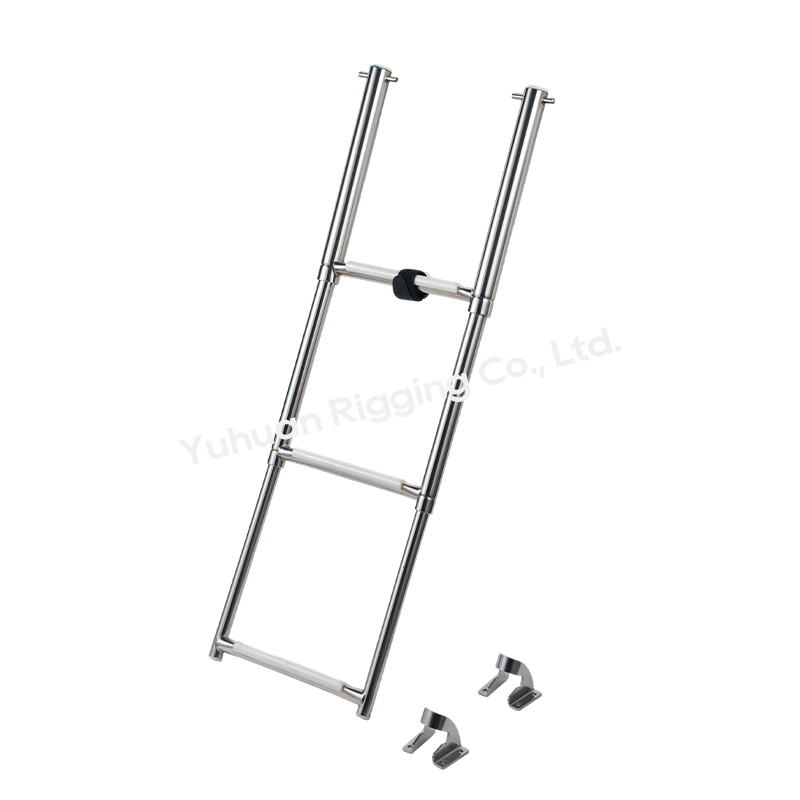
Marine Grade 316 Stainless Steel Telescopic Boat Ladder 254 mm x 875 mm offers a compact boarding solution with a smooth sliding extension system that moves in and out of the water without resistance....
See Details -
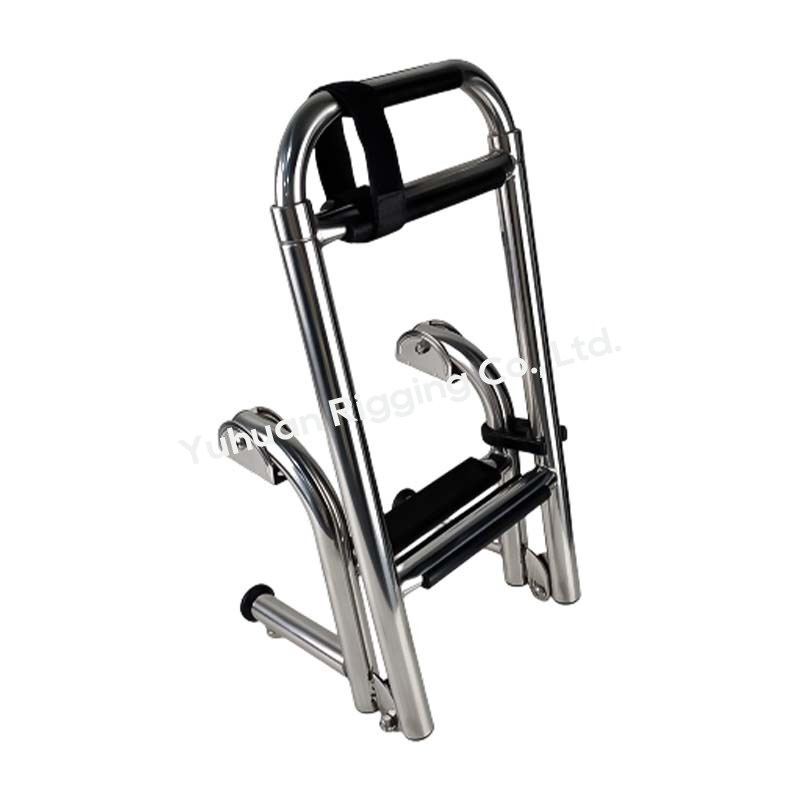
This Marine SS316 3-Step Folding Boat Boarding Ladder is designed for safe and convenient boarding on yachts, fishing boats, speedboats, and other recreational vessels. Made from marine-grade 316 stai...
See Details -
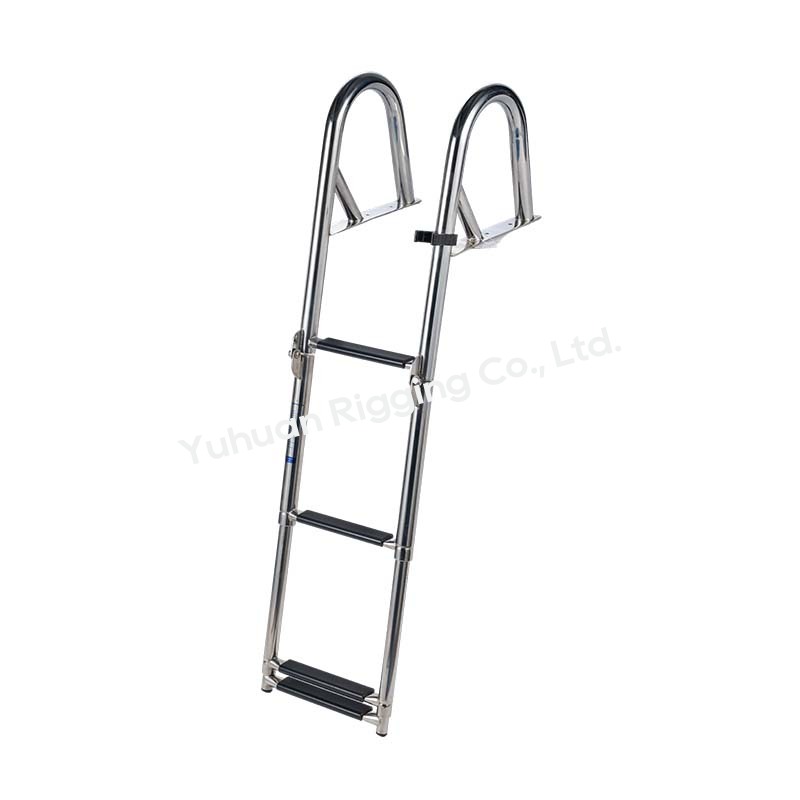
This Marine SS316 3-Step Recessed Telescopic Boat Ladder combines a compact storage design with dependable boarding performance for a wide range of marine applications. Built from marine-grade 316 sta...
See Details -
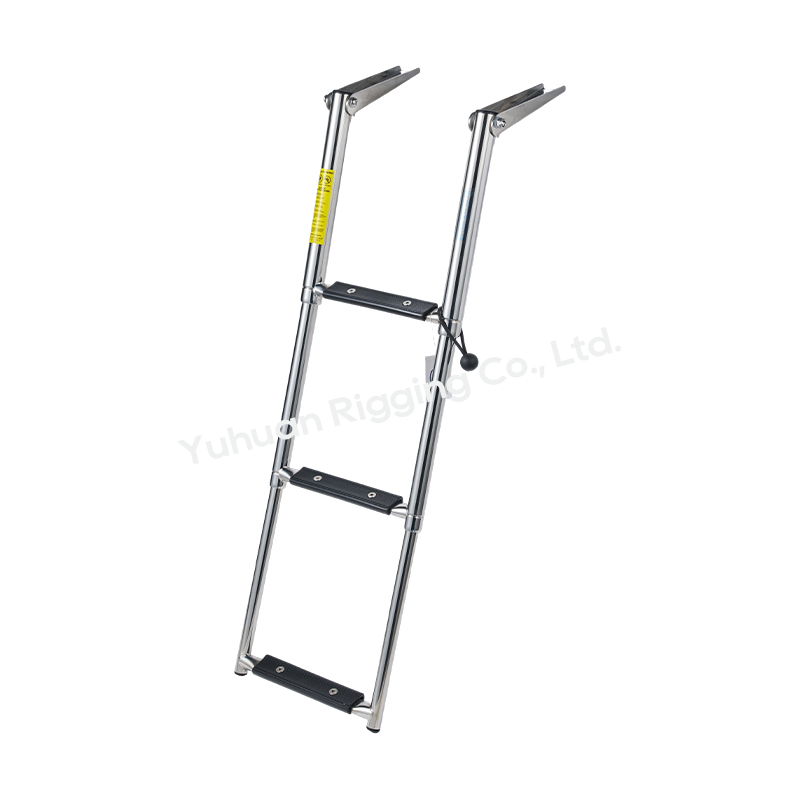
This Marine SS316 3-Step Telescopic Boat Boarding Ladder is designed for convenient boarding and water access on yachts, fishing boats, pontoons, and recreational vessels. Manufactured from marine-gra...
See Details -
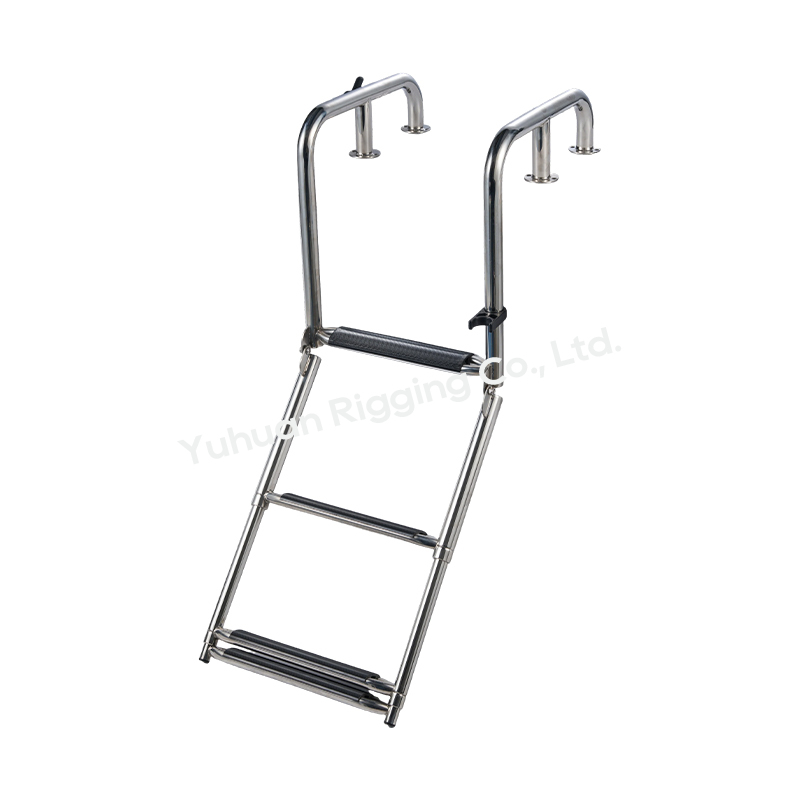
370mm Stainless Steel Telescopic Swim Platform Ladder combines a space-saving telescopic structure with integrated handrails, making boarding safer and more comfortable. Available in 3, 4, and 5-step ...
See Details -
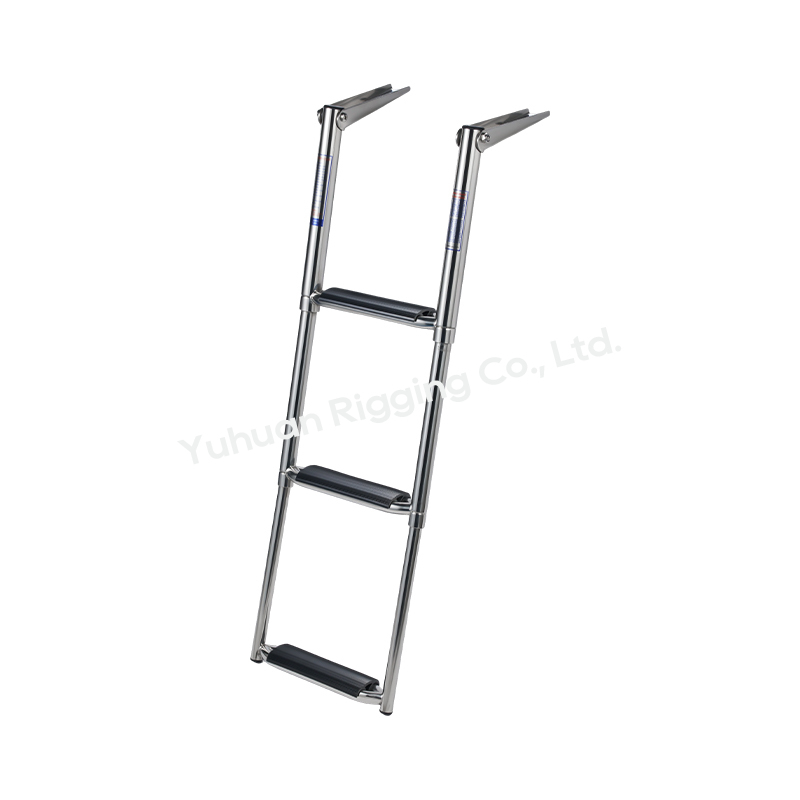
254mm Stainless Steel Telescopic Swim Platform Ladder features a compact three-step telescopic structure. The heavy-duty stainless steel frame offers excellent strength and stability, while the wide a...
See Details -
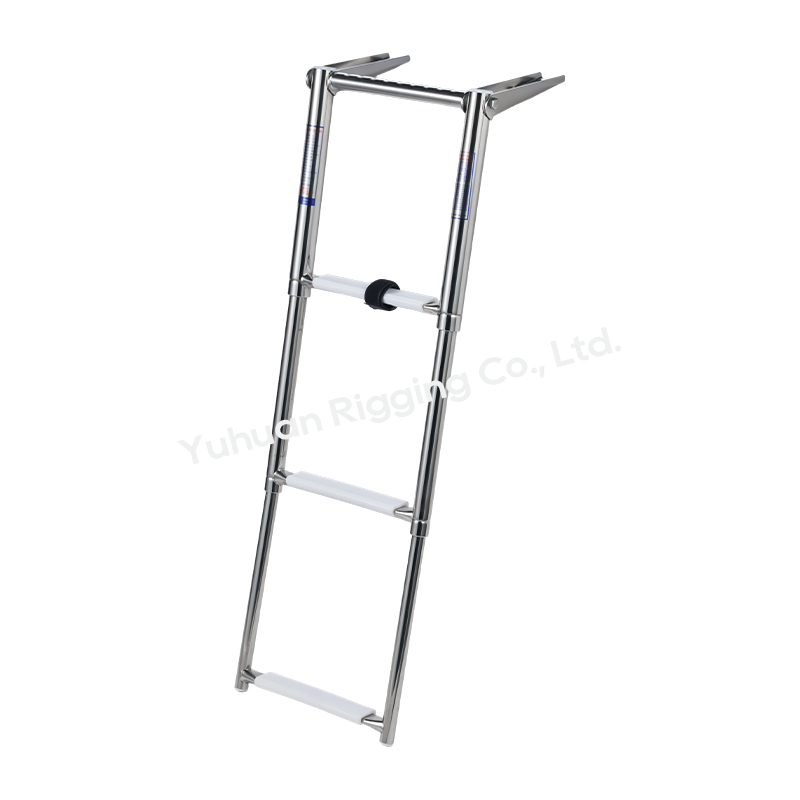
2-4 Steps Stainless Steel Telescopic Swim Platform Ladder offers a practical boarding solution with a smooth telescopic action and a choice of 2 to 4 steps to suit different boat heights. Strong mount...
See Details -
4-Step 316 Stainless Steel Telescopic Boat Boarding Ladder offers a secure and convenient way to board your boat after swimming, diving, or docking. The four-step telescopic structure provides extra c...
See Details

Copyright © Yuhuan Rigging Co., Ltd. All Rights Reserved.
Boat Fittings
