 English
 中文简体
中文简体 عربى
عربىDesigned for vessel platform boarding, this telescopic ladder combines convenience and safety – essential for yachts, fishing boats, and workboats.Material: Polished SS316 – corrosion‑resistant, thick...
See Details
Marine Stainless Steel Latches Depend on Pin and Spring Quality
Published on 08 28, 2026
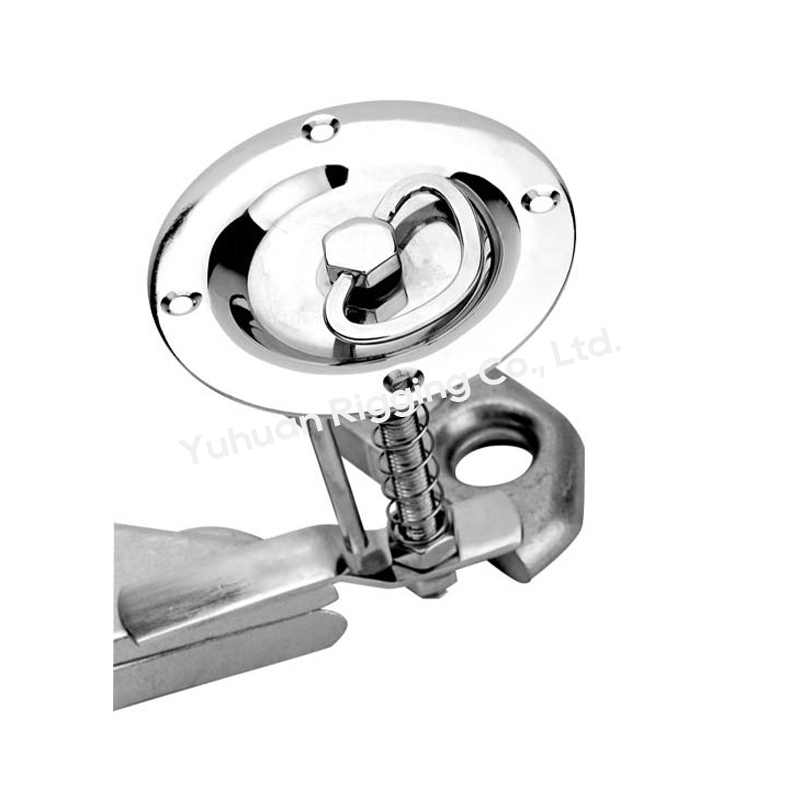
A cabinet door that rattles open in a rolling sea is more than an annoyance; it is usually the clearest sign that a marine stainless steel latch was specified for appearance rather than for the actual movement a hatch or locker door goes through underway. The latch itself looks simple from the outside, a small lever and a keeper plate, but the parts hidden inside the housing determine whether it holds a door shut through years of vibration, saltwater spray, and temperature swings between a summer deck and a winter storage shed.
What Sits Inside the Housing Matters More Than the Finish
A marine stainless steel latch relies on an internal spring and pivot pin to keep tension on the catch, and this is the part of the assembly a buyer cannot evaluate from a product photo. A weak spring lets the marine stainless steel latch loosen gradually with each open-and-close cycle, while a pin machined without enough clearance binds and eventually seizes after repeated exposure to salt air. Buyers comparing quotations on price alone often end up comparing the housing finish, since that is the visible difference, while the spring rate and pin tolerance, the details that actually determine service life, go unmentioned in the listing.
Grade Selection Changes How Long the Latch Actually Lasts
Not every marine stainless steel latch on the market uses the same alloy, even when two listings both say stainless steel. A 316-grade latch resists the pitting corrosion that saltwater causes far longer than a 304-grade equivalent, and the difference becomes visible within a season on a boat kept in coastal or tropical conditions rather than freshwater use. Buyers should ask a supplier directly which grade is used in both the housing and the internal spring, since a latch built with a mismatched grade between these two components corrodes unevenly and can seize at the pivot point well before the housing itself shows visible wear.
Sealing Design Keeps Water Out of the Compartment Behind It
A waterproof cabinet latch used on an exterior hatch or a below-deck storage locker needs a gasket or compression seal that holds up under repeated flexing, not just a tight fit when the door is new. Buyers outfitting a boatbuilding program should specify the sealing method at the point of order, since a latch that seals well when installed but loses that seal after a season of UV exposure and flexing creates a slow leak that is difficult to trace back to the hardware itself.
Manufacturing Control Behind a Consistent Batch
A factory producing its own marine stainless steel latch components typically machines the housing and stamps the spring to a set tolerance, then tests a sample from each production batch for spring tension and smooth pivot action before the batch ships. This kind of internal quality control matters more on a marine stainless steel latch than it might seem, since a buyer installing dozens of units across a production run of boats needs every latch to feel and perform the same way, not just the sample unit that arrived for approval. Factories that document this batch testing can usually provide it on request, which shortens the review process for a buyer working through a technical inspection before a bulk shipment leaves the port.
Customization and Certification for OEM Boatbuilding Programs
Boatbuilders sourcing corrosion resistant boat hardware at scale often need a marine stainless steel latch adjusted to a specific keeper plate spacing, a flush-mount profile, or a locking cylinder added to a standard design, and a factory that treats these requests as part of its regular manufacturing workflow tends to hold consistent quality across the customized run rather than treating it as a one-off exception. Buyers should also confirm salt-spray test documentation and material certification before placing a bulk order, since these are the records a marine surveyor or classification society will ask to see later, and a supplier able to produce them without delay generally reflects the same discipline in how the latch itself was built. This kind of documentation trail also gives a buyer leverage in a warranty discussion later, since a supplier that already tracks batch-level test results has an easier time tracing a defect back to its production date rather than treating every complaint as an isolated case.
Related products
-
-
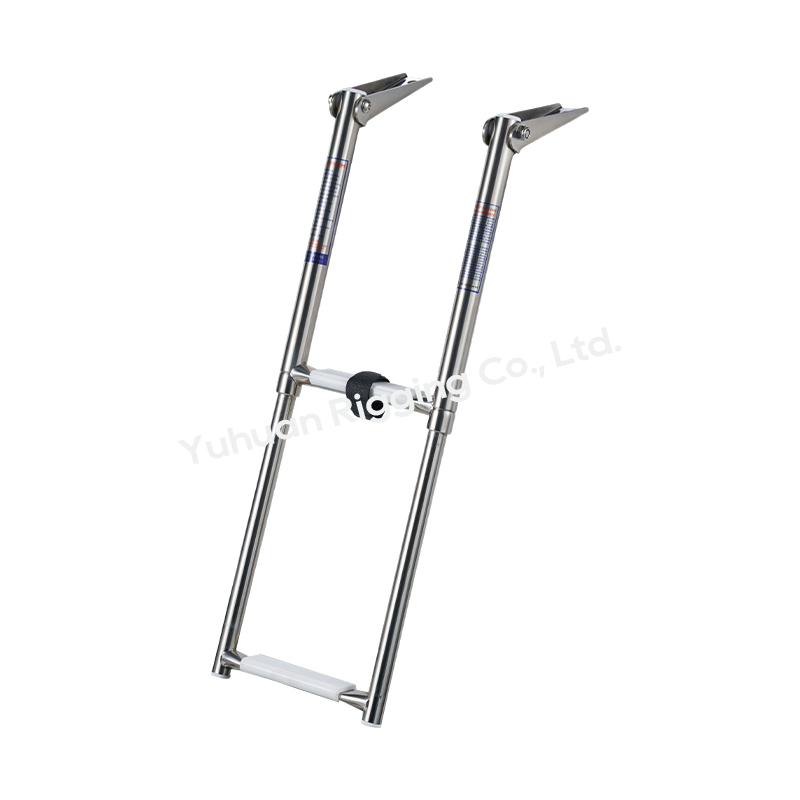
Compact and easy to install, this 2‑step ladder is a practical boarding solution for small yachts, bass boats, and fishing vessels – great value.Material: Marine‑grade stainless steel – rust‑proof and...
See Details -
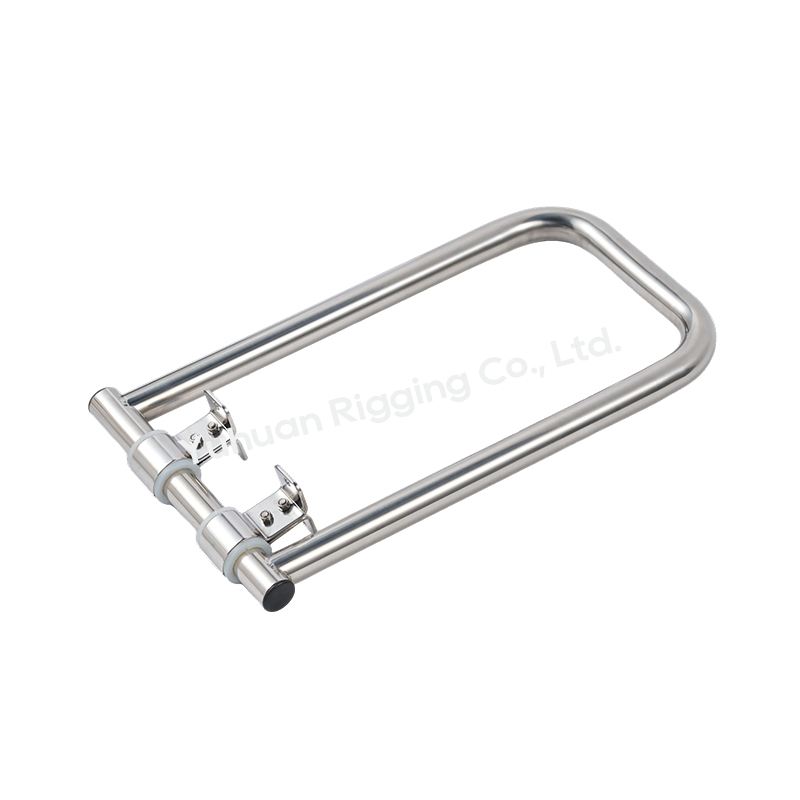
2-Step Fold Down Swim Ladder for Boats and Yachts features a compact fold-down style and high-polished AISI 316 stainless steel construction. The strong tubular frame provides dependable support, whil...
See Details -
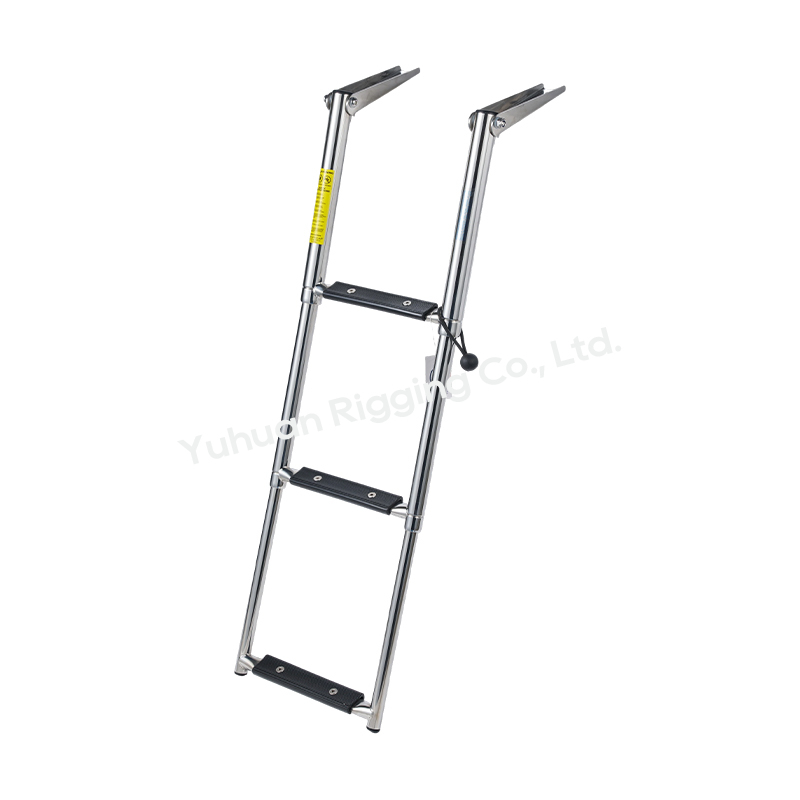
Sturdy and easy to mount, this 3‑step ladder suits small to medium yachts, fishing boats, and speedboats – a versatile boarding solution.Material: Polished marine stainless steel – resists salt spray ...
See Details -
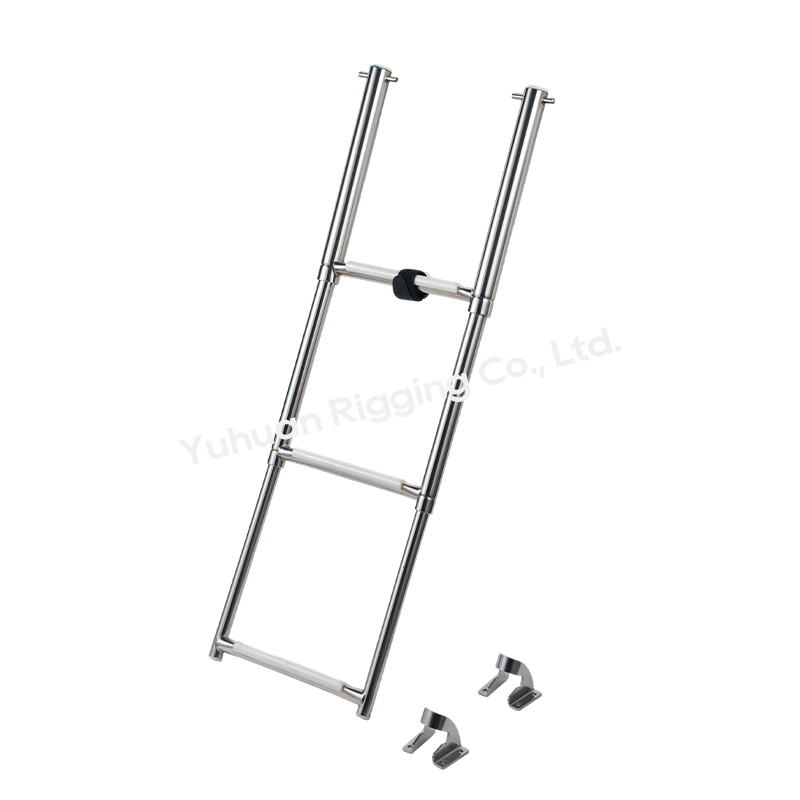
Marine Grade 316 Stainless Steel Telescopic Boat Ladder 254 mm x 875 mm offers a compact boarding solution with a smooth sliding extension system that moves in and out of the water without resistance....
See Details -
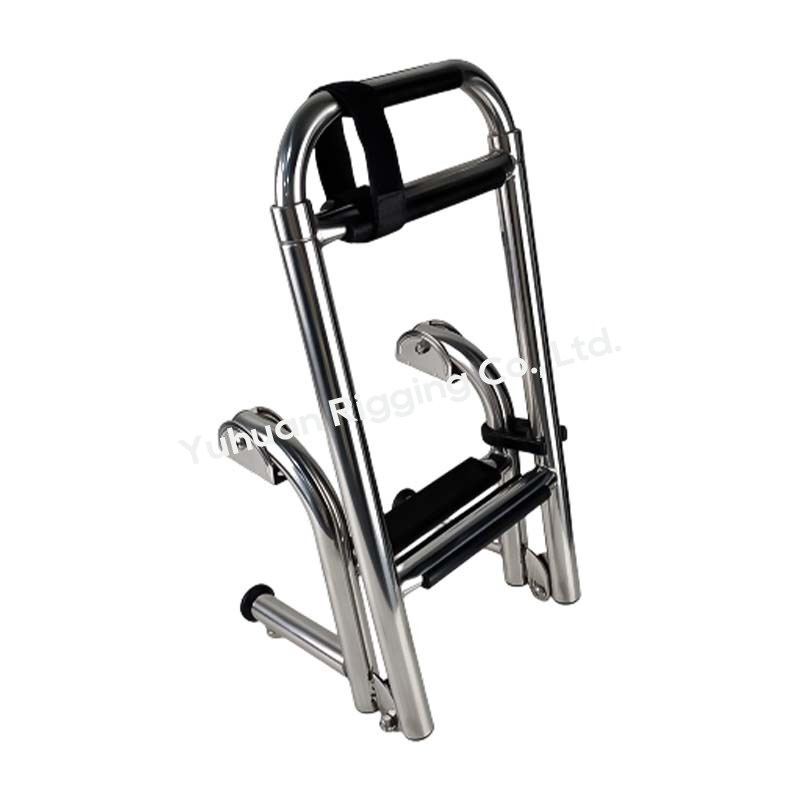
This Marine SS316 3-Step Folding Boat Boarding Ladder is designed for safe and convenient boarding on yachts, fishing boats, speedboats, and other recreational vessels. Made from marine-grade 316 stai...
See Details -
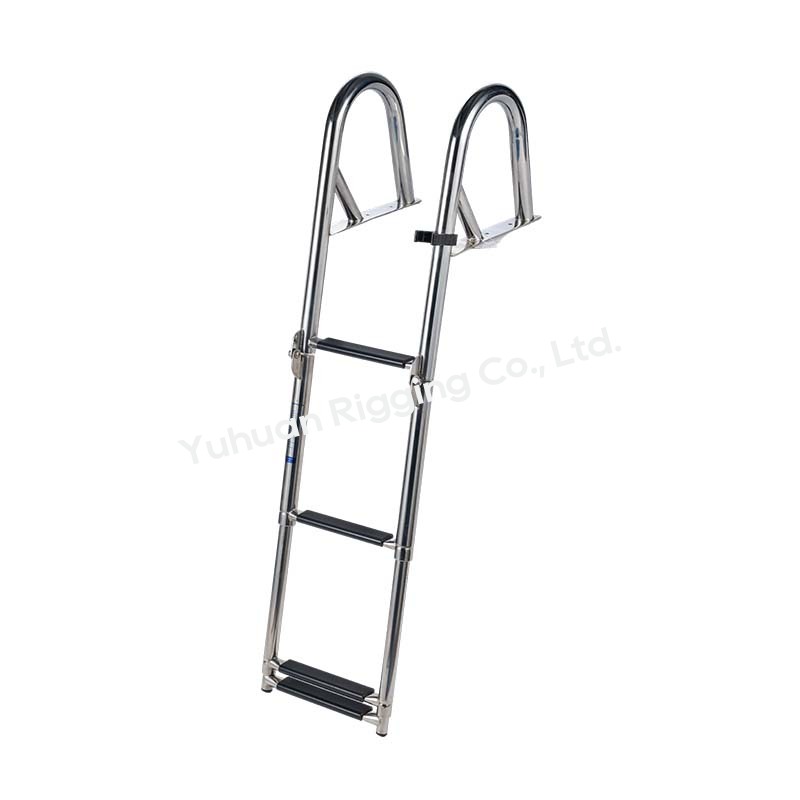
This Marine SS316 3-Step Recessed Telescopic Boat Ladder combines a compact storage design with dependable boarding performance for a wide range of marine applications. Built from marine-grade 316 sta...
See Details -
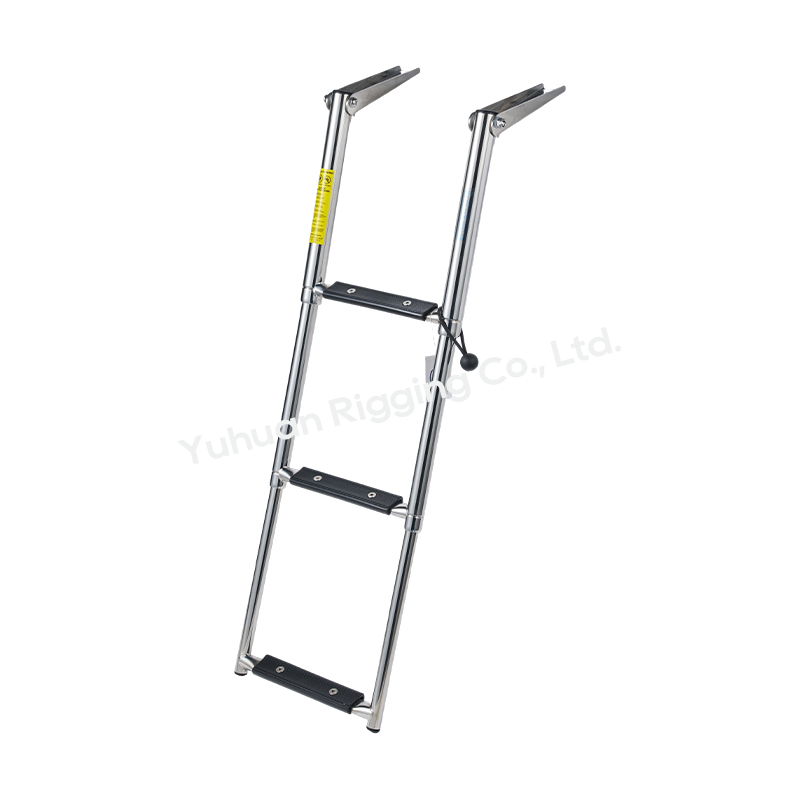
This Marine SS316 3-Step Telescopic Boat Boarding Ladder is designed for convenient boarding and water access on yachts, fishing boats, pontoons, and recreational vessels. Manufactured from marine-gra...
See Details -
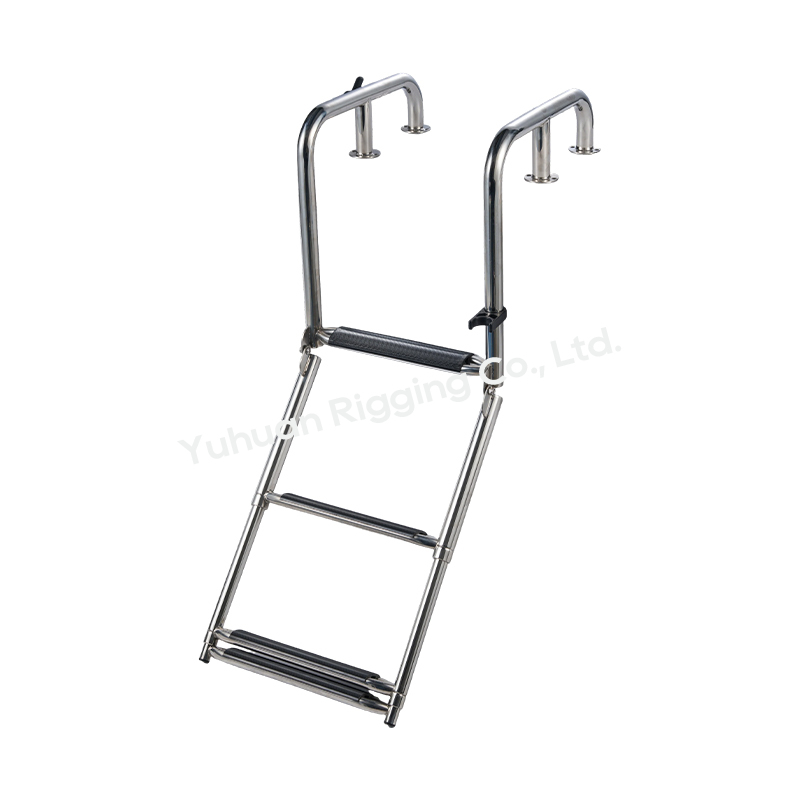
370mm Stainless Steel Telescopic Swim Platform Ladder combines a space-saving telescopic structure with integrated handrails, making boarding safer and more comfortable. Available in 3, 4, and 5-step ...
See Details -
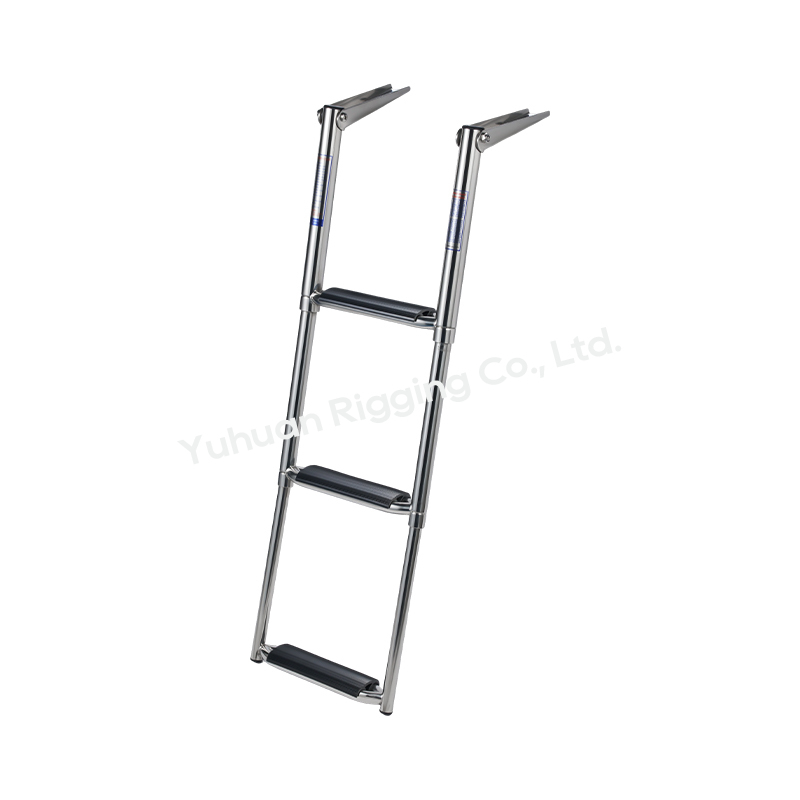
254mm Stainless Steel Telescopic Swim Platform Ladder features a compact three-step telescopic structure. The heavy-duty stainless steel frame offers excellent strength and stability, while the wide a...
See Details -
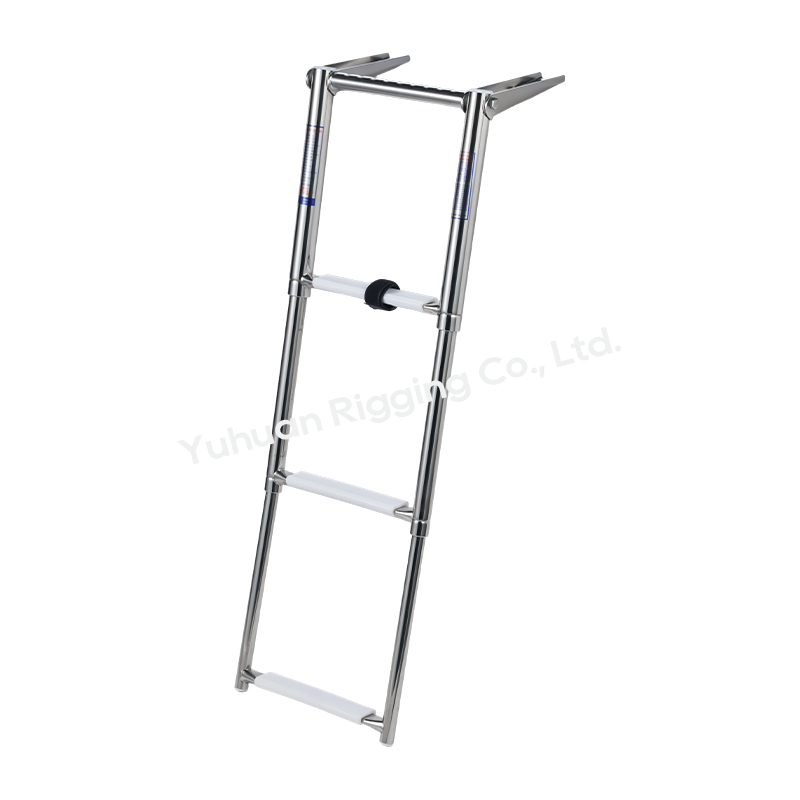
2-4 Steps Stainless Steel Telescopic Swim Platform Ladder offers a practical boarding solution with a smooth telescopic action and a choice of 2 to 4 steps to suit different boat heights. Strong mount...
See Details -
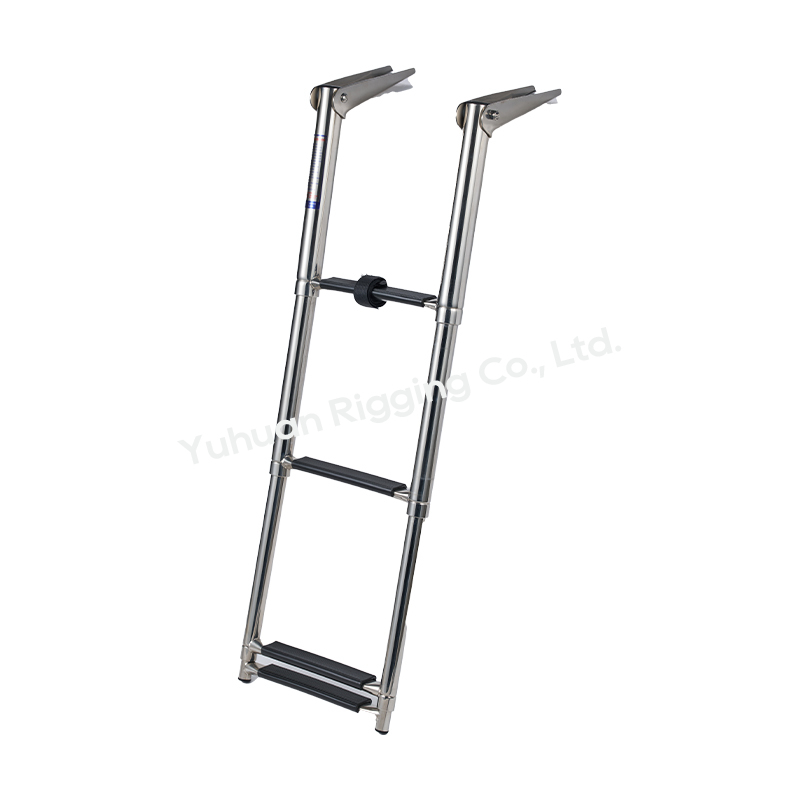
4-Step 316 Stainless Steel Telescopic Boat Boarding Ladder offers a secure and convenient way to board your boat after swimming, diving, or docking. The four-step telescopic structure provides extra c...
See Details

Copyright © Yuhuan Rigging Co., Ltd. All Rights Reserved.
Boat Fittings
