 English
 中文简体
中文简体 عربى
عربىDesigned for vessel platform boarding, this telescopic ladder combines convenience and safety – essential for yachts, fishing boats, and workboats.Material: Polished SS316 – corrosion‑resistant, thick...
See Details
Outboard Motor Cart Selection Hinges on Load Capacity and Terrain
Published on 08 21, 2026
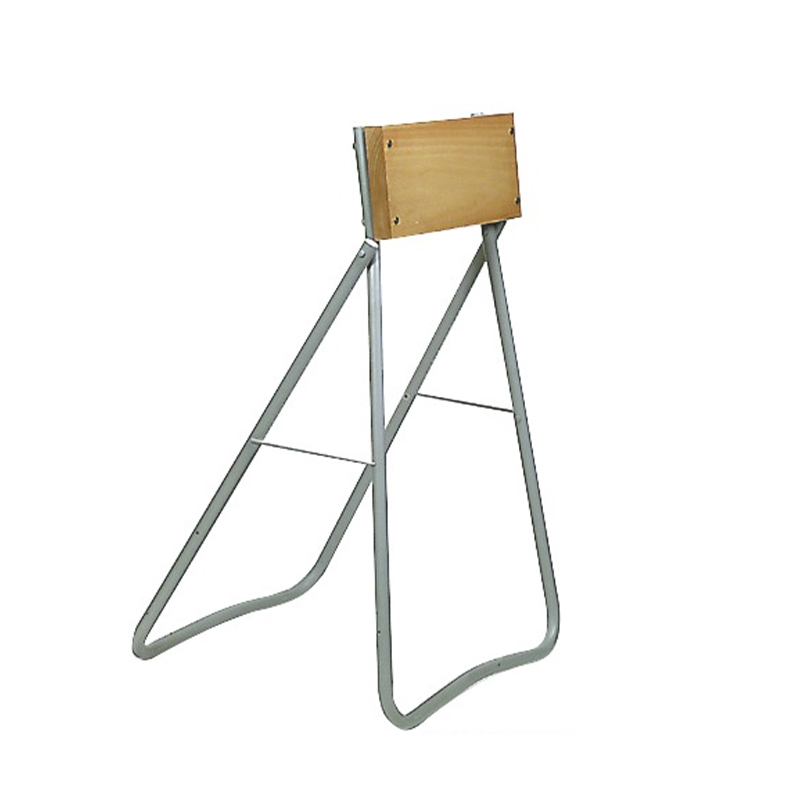
Two technicians straining to lift a 150-horsepower outboard onto a workbench is the kind of scene an outboard motor cart is supposed to make unnecessary, yet buyers still order the wrong cart for the engine weight they actually handle on a regular basis. A cart rated for a 35-horsepower motor and asked to carry a 150-horsepower unit does not simply struggle; the frame flexes, the casters wear unevenly, and the cart becomes a liability on a wet dock floor rather than the labor-saving tool it was purchased to be.
Weight Rating Is the Starting Point, Not an Afterthought
Every outboard motor cart on a supplier's catalog page lists a rated capacity, but buyers should treat that number as a ceiling to plan under rather than a target to plan against. A shop handling a mix of engine sizes across a season benefits from owning outboard motor cart units rated comfortably above the heaviest motor in rotation, since a cart running near its limit wears out its casters and welds faster than one with margin to spare. Matching the cart to the actual engine range on hand, rather than the average size, avoids a mid-season replacement and keeps a technician from improvising with a cart that was never meant to carry that load.
|
Cart Class |
Typical Engine Range |
Recommended Setting |
|
Light-duty stand |
Up to 35HP |
Small dealer workshop, occasional transport |
|
Heavy-duty stand |
35HP to 150HP |
Marina service bay, frequent motor swaps |
|
Super carrier, 2T to 4T |
150HP and above, twin-engine setups |
Boatyard, engine remanufacturing facility |
Frame Construction Decides How Long the Cart Lasts
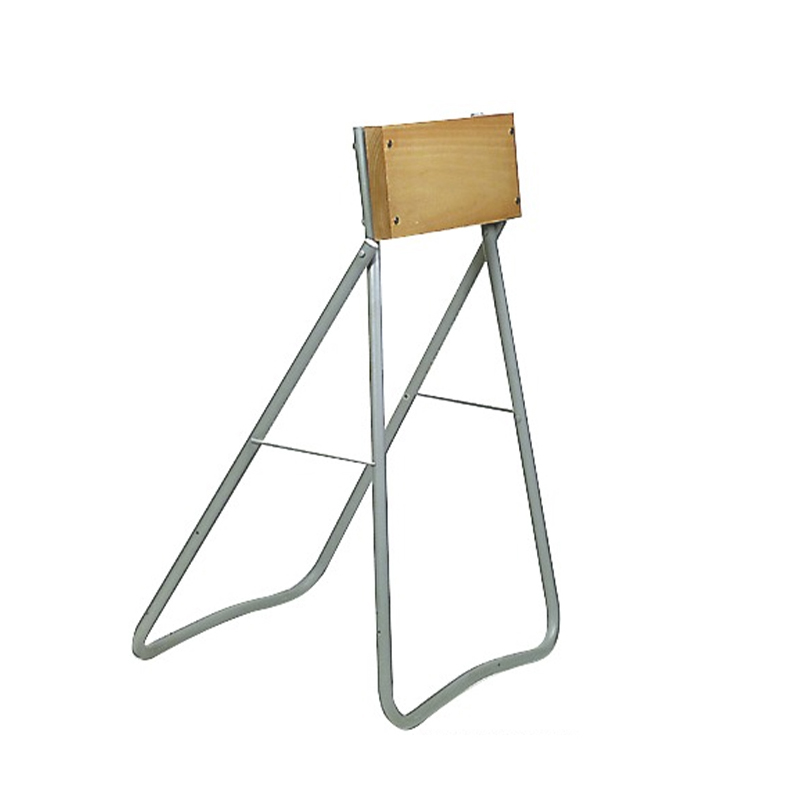
An outboard motor cart built from welded steel tubing with a powder-coated finish holds up to dockside moisture far longer than a lighter frame designed for occasional indoor use. Buyers should ask directly about the welding standard used on load-bearing joints, since a cart that looks identical to a competitor's model in a photo can differ significantly in how the frame is reinforced at the points that carry the heaviest stress during a lift or roll across an uneven surface. This detail rarely appears on a spec sheet and is worth raising during the quotation stage rather than assumed.
Wheel and Caster Choice Changes Daily Usability
Casters matter as much as the frame on an engine transport dolly used daily across a boatyard, since a wheel that performs well on a smooth workshop floor can bind or skid on gravel, wet concrete, or a dock ramp. Buyers running a mixed-surface facility should specify caster material and locking mechanism at the point of order, because retrofitting better wheels later rarely matches the original mounting bracket without additional machining work.
Customization Requests From Boatyards and Dealers
Buyers running dockside motor handling operations at scale often need an outboard motor cart adapted to a specific engine bracket pattern, an added tilt mechanism, or a lower deck height to clear a particular workbench. A factory that treats these requests as part of its normal production sequence, rather than routing them through a separate engineering review, tends to quote realistic lead times and keeps the modified cart consistent with its standard quality control checks. Buyers placing a bulk order across several dealer locations should raise any bracket or mounting variation before production begins, since matching a retrofit to an already-built batch is rarely a clean fix.
Certification and Bulk Supply for Dealer Networks
A factory producing its own outboard motor cart line should be able to document the load testing behind its rated capacities, not just state a number on a spec sheet, since a marina or dealer network buying at scale is ultimately responsible for the safety of the equipment on its own floor. Requesting this documentation before a container ships, rather than after a warranty claim, gives a buyer a clearer basis for standing behind the equipment once it reaches the customer's own dock. Buyers placing orders across multiple locations should also confirm production capacity per month and how the factory sequences quality checks across a large batch, since a single undersized weld on one outboard motor cart in a shipment of fifty is the kind of defect that only becomes visible once the unit is loaded to its rated limit.
Related products
-
-
Compact and easy to install, this 2‑step ladder is a practical boarding solution for small yachts, bass boats, and fishing vessels – great value.Material: Marine‑grade stainless steel – rust‑proof and...
See Details -
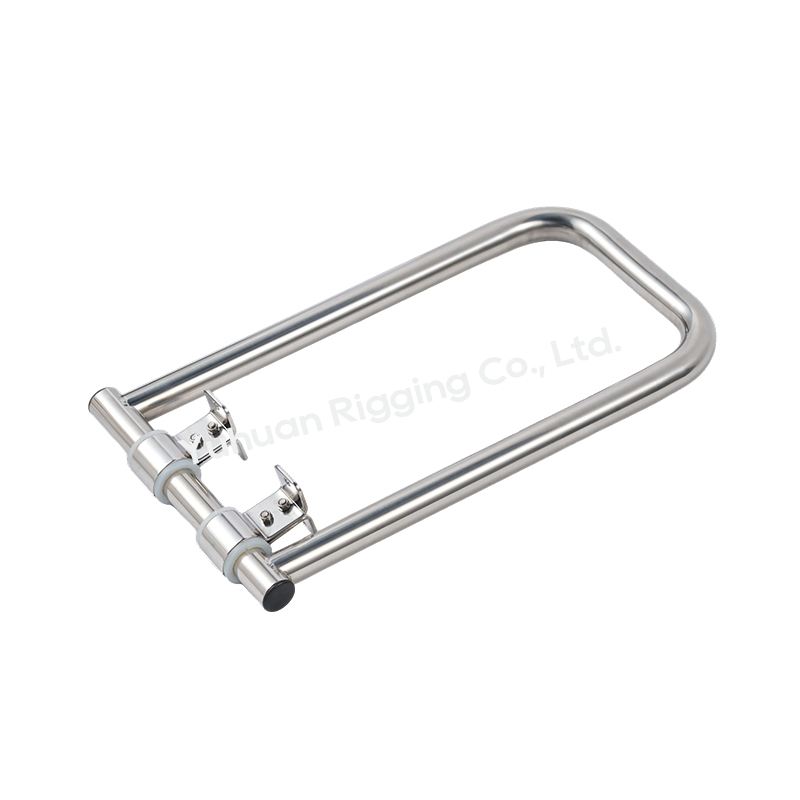
2-Step Fold Down Swim Ladder for Boats and Yachts features a compact fold-down style and high-polished AISI 316 stainless steel construction. The strong tubular frame provides dependable support, whil...
See Details -
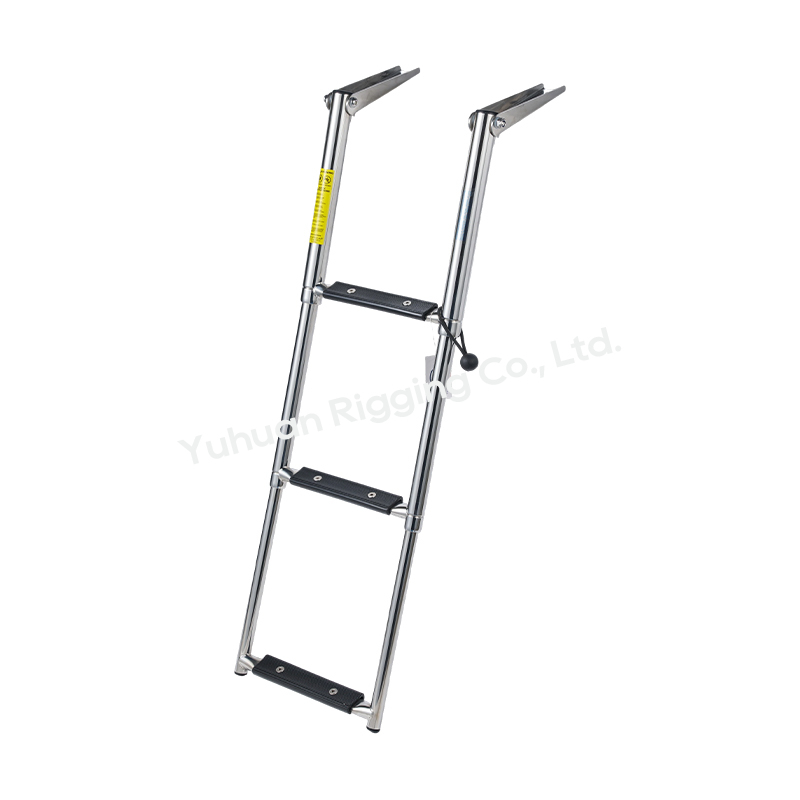
Sturdy and easy to mount, this 3‑step ladder suits small to medium yachts, fishing boats, and speedboats – a versatile boarding solution.Material: Polished marine stainless steel – resists salt spray ...
See Details -
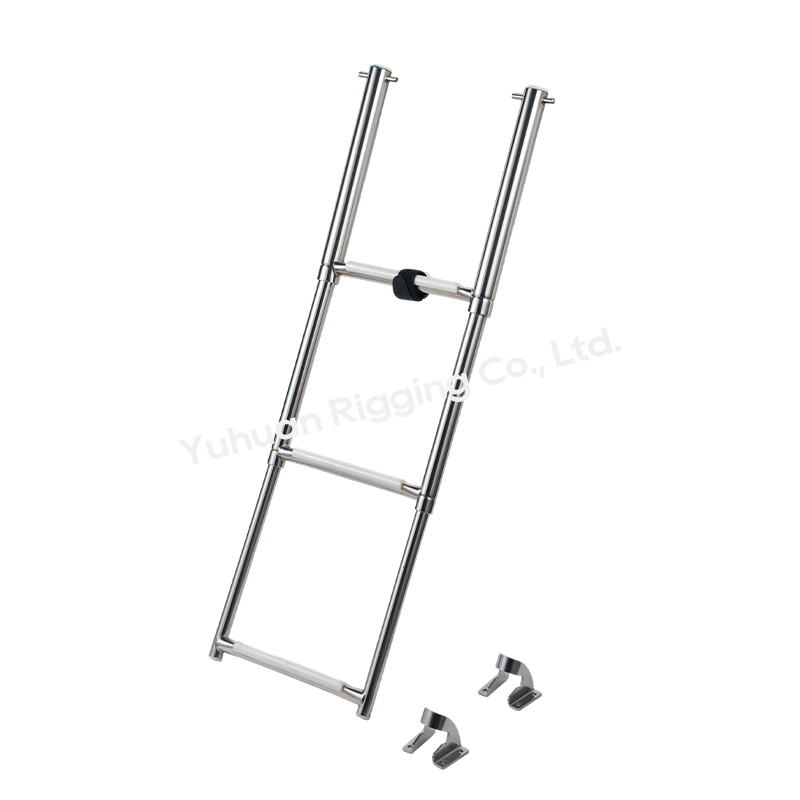
Marine Grade 316 Stainless Steel Telescopic Boat Ladder 254 mm x 875 mm offers a compact boarding solution with a smooth sliding extension system that moves in and out of the water without resistance....
See Details -
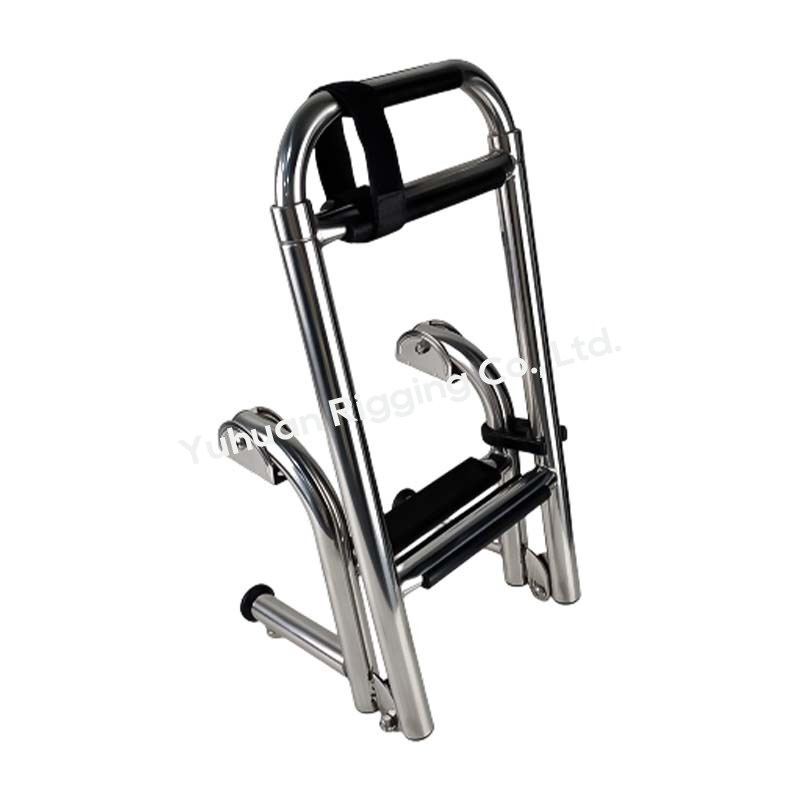
This Marine SS316 3-Step Folding Boat Boarding Ladder is designed for safe and convenient boarding on yachts, fishing boats, speedboats, and other recreational vessels. Made from marine-grade 316 stai...
See Details -
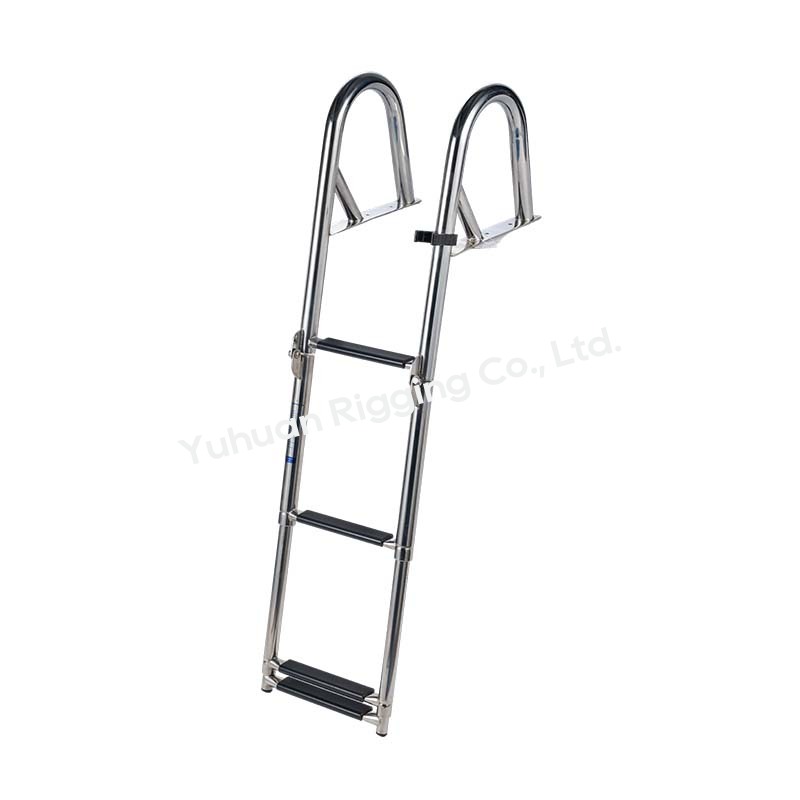
This Marine SS316 3-Step Recessed Telescopic Boat Ladder combines a compact storage design with dependable boarding performance for a wide range of marine applications. Built from marine-grade 316 sta...
See Details -
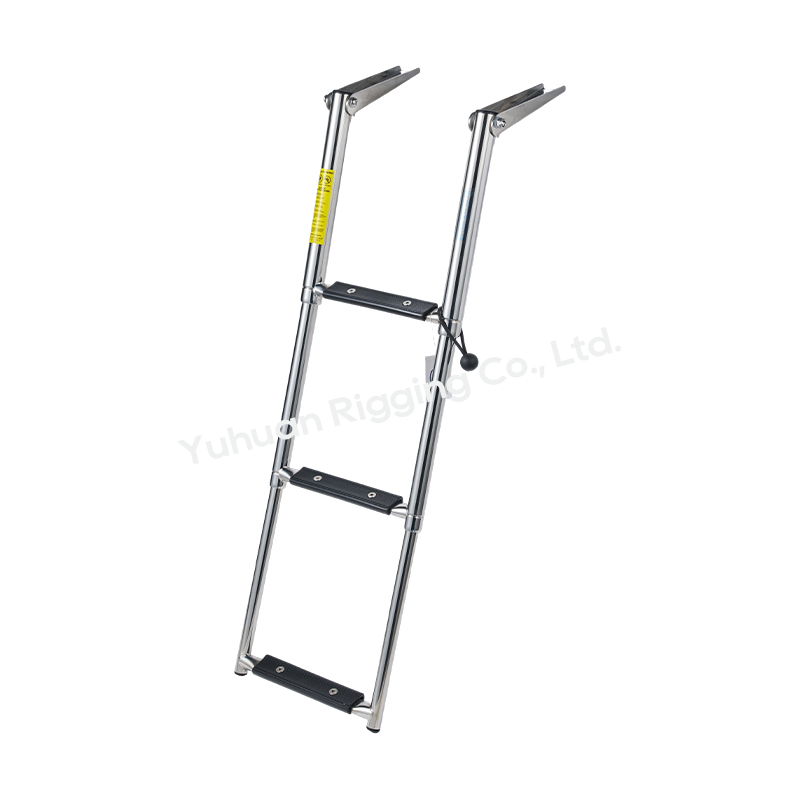
This Marine SS316 3-Step Telescopic Boat Boarding Ladder is designed for convenient boarding and water access on yachts, fishing boats, pontoons, and recreational vessels. Manufactured from marine-gra...
See Details -
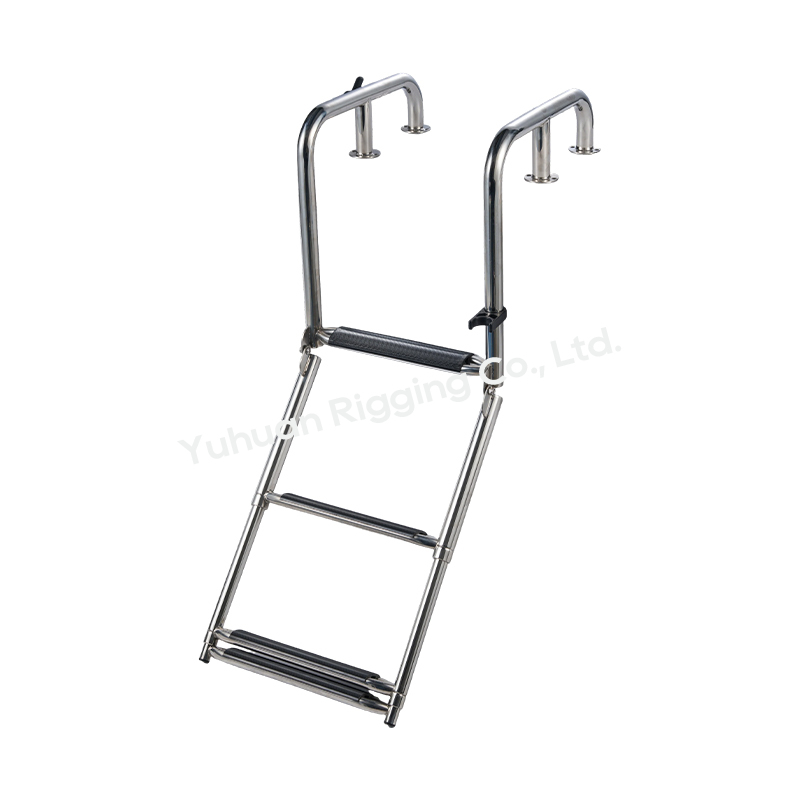
370mm Stainless Steel Telescopic Swim Platform Ladder combines a space-saving telescopic structure with integrated handrails, making boarding safer and more comfortable. Available in 3, 4, and 5-step ...
See Details -
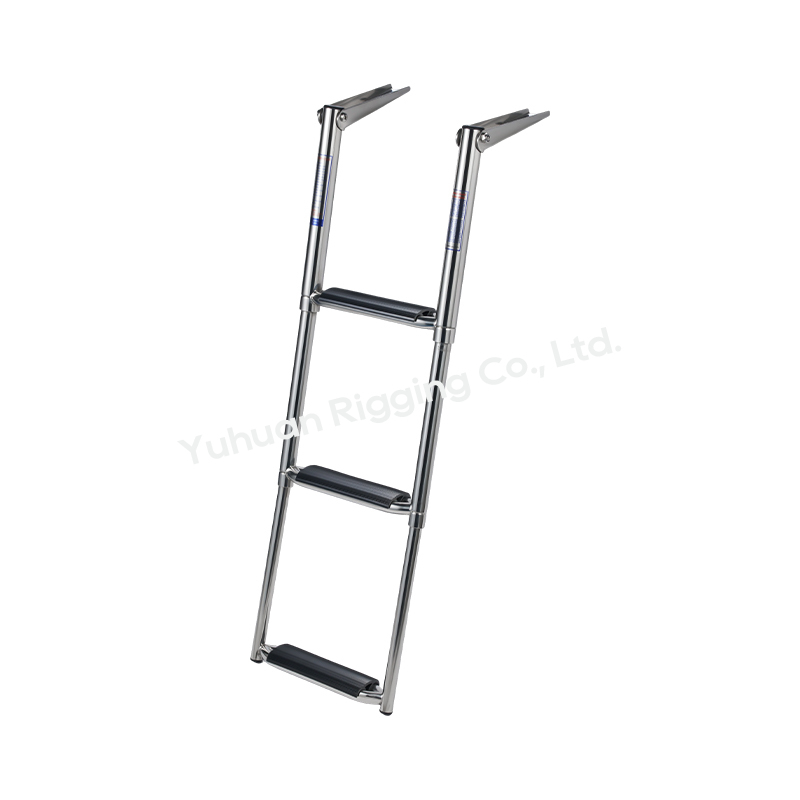
254mm Stainless Steel Telescopic Swim Platform Ladder features a compact three-step telescopic structure. The heavy-duty stainless steel frame offers excellent strength and stability, while the wide a...
See Details -
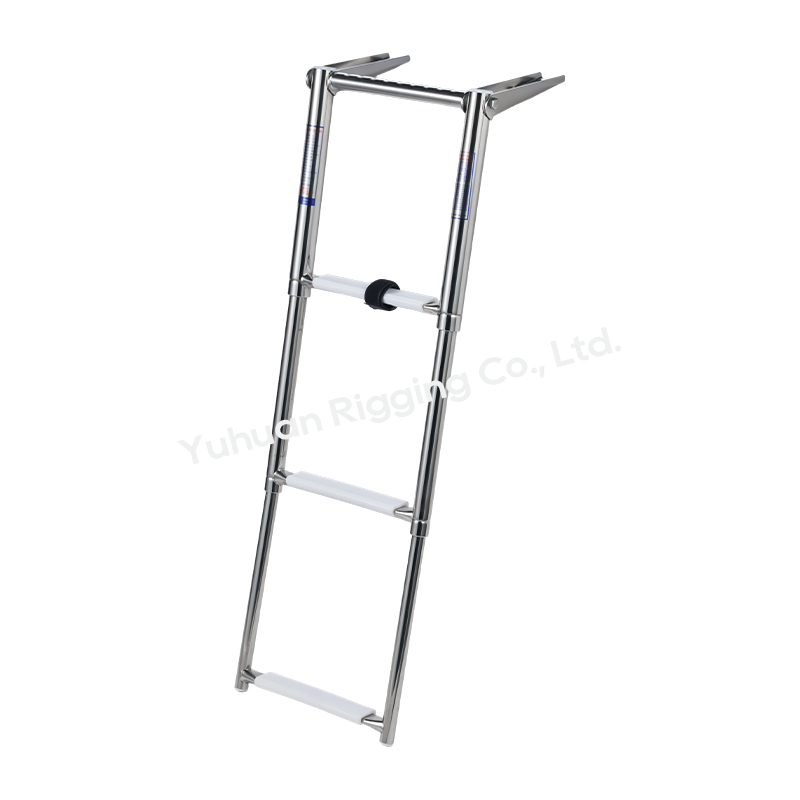
2-4 Steps Stainless Steel Telescopic Swim Platform Ladder offers a practical boarding solution with a smooth telescopic action and a choice of 2 to 4 steps to suit different boat heights. Strong mount...
See Details -
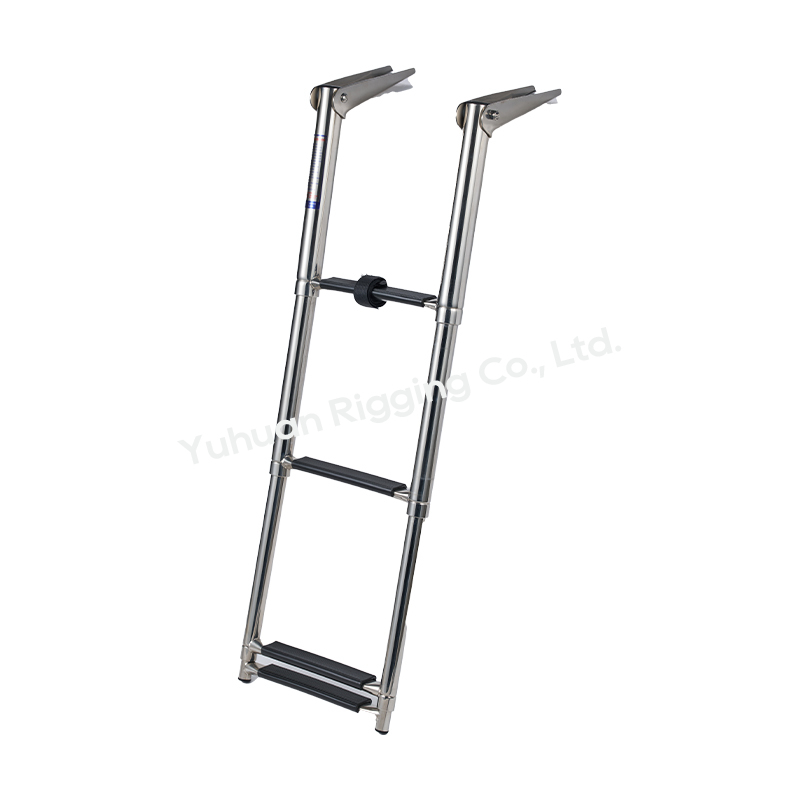
4-Step 316 Stainless Steel Telescopic Boat Boarding Ladder offers a secure and convenient way to board your boat after swimming, diving, or docking. The four-step telescopic structure provides extra c...
See Details

Copyright © Yuhuan Rigging Co., Ltd. All Rights Reserved.
Boat Fittings
