 English
 中文简体
中文简体 عربى
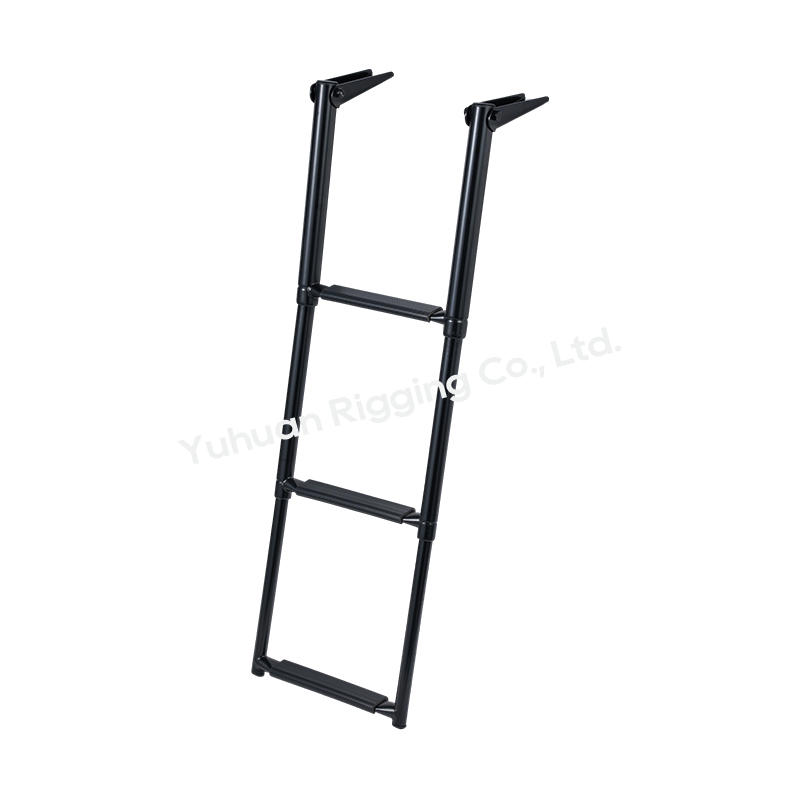
عربىDesigned for vessel platform boarding, this telescopic ladder combines convenience and safety – essential for yachts, fishing boats, and workboats.Material: Polished SS316 – corrosion‑resistant, thick...
See Details
Motor Rubber Clamps Do More Than Hold an Outboard in Place
Published on 08 14, 2026
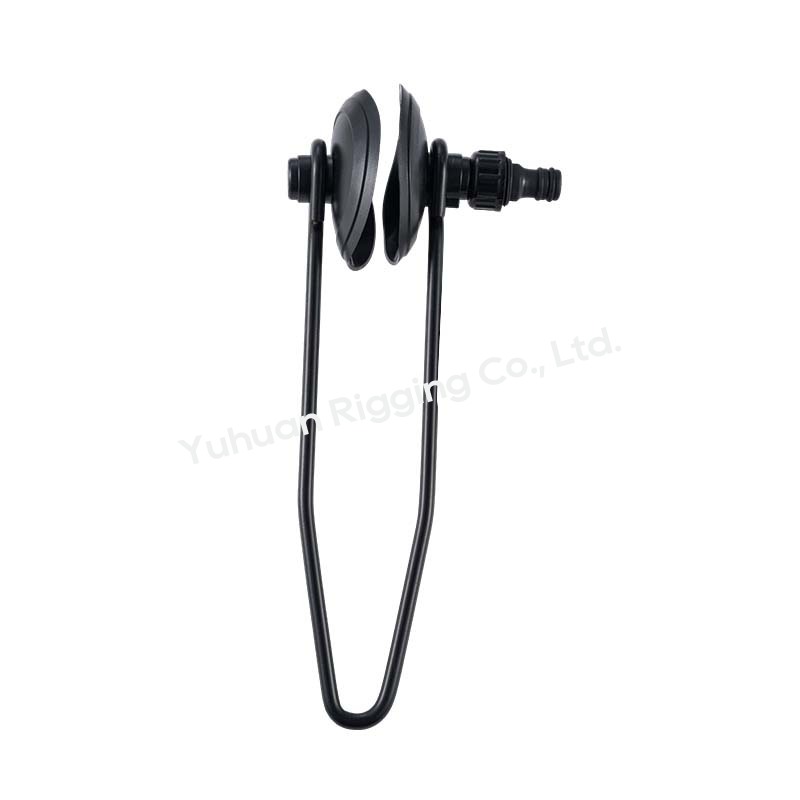
A loose outboard motor rattles against its mount long before a bracket actually fails, and by the time a buyer notices the noise, the underlying rubber has usually already hardened or cracked from months of saltwater and sun exposure. Motor rubber clamps sit quietly at the point where engine vibration meets the hull, and their condition affects far more than the motor itself, since a worn clamp transmits vibration into hoses, wiring, and nearby fittings that were never designed to absorb that kind of movement.
What the Rubber Compound Actually Does
Understanding what this component is actually doing mechanically helps explain why the compound choice matters as much as the clamp shape. Motor rubber clamps work by absorbing the mechanical vibration an engine produces at idle and under load, converting that energy into flex within the rubber body rather than passing it directly into the hull or mounting hardware. A compound that is too stiff fails to absorb this movement and transmits noise through the boat; a compound that is too soft compresses permanently under sustained clamping pressure and loses grip on whatever it is securing. Marine-grade rubber formulated for UV and saltwater resistance holds its flexibility across a wider temperature range than a generic rubber substitute, which matters on a boat left rigged in direct sun for an entire season.
Common Applications Across a Boat's Motor Compartment
Beyond outboard motor mounting, motor rubber clamps secure fuel lines, cooling hoses, and control cables that run near the engine block, where constant vibration would otherwise work a standard hose clamp loose over time. An anti-vibration boat mount built around this rubber design spreads clamping force evenly around the hose or cable rather than concentrating it at a single metal contact point, which reduces the pinching and wear that a rigid clamp can cause on softer hose material. Fishing boats and speedboats running higher engine hours than typical leisure cruising put these components through more clamping cycles, making the compound choice a more visible factor over the life of the boat rather than a detail that only matters on paper.
Stainless Hardware Paired With the Rubber Body
The rubber body of a motor rubber clamps assembly is only part of the equation, since the bolt, band, or bracket securing it also needs to survive the same saltwater exposure without seizing shut. Stainless steel hardware paired with the rubber sleeve resists the corrosion that would otherwise freeze a standard zinc-plated bolt in place after a season of exposure, which matters when a clamp eventually needs to be loosened for motor maintenance or replacement. Buyers specifying outboard motor security hardware for a boatbuilding program should confirm that the fastener grade matches the rubber component's expected service life, since a rubber clamp that outlasts a corroded bolt still fails as an assembly.
What a Manufacturer's Process Reveals About Long-Term Performance
A factory producing its own motor rubber clamps typically controls the rubber compounding process directly, adjusting hardness and UV stabilizers to suit marine rather than general industrial use, and this control is difficult for a buyer to verify from a data sheet alone. Quality checks on a finished batch usually include a compression set test, which measures how much the rubber springs back after sustained clamping pressure, since a batch that fails this test will loosen its grip within months rather than years. Factories running consistent quality control across a production batch, rather than only on a sample sent for approval, tend to ship clamps with more predictable service life once installed across an entire fleet of boats.
Ordering Considerations for Bulk Marine Hardware Programs
Buyers sourcing motor rubber clamps for an OEM boatbuilding program or a fleet maintenance contract should ask about available sizes, clamping diameters, and whether the factory can produce a custom bracket shape to match an existing motor mount design rather than substituting a generic size that fits loosely. Requesting a sample batch tested under real engine vibration, rather than a static bench sample, gives a buyer a better sense of how the rubber will behave once installed rather than relying on published specifications alone. Confirming bulk supply capacity and consistent batch quality matters here in the same way it matters for any marine hardware component, since a single worn motor rubber clamps unit discovered mid-season on a fleet vessel is a maintenance call that a buyer would rather avoid by specifying the right compound and hardware combination from the start.
Related products
-
-
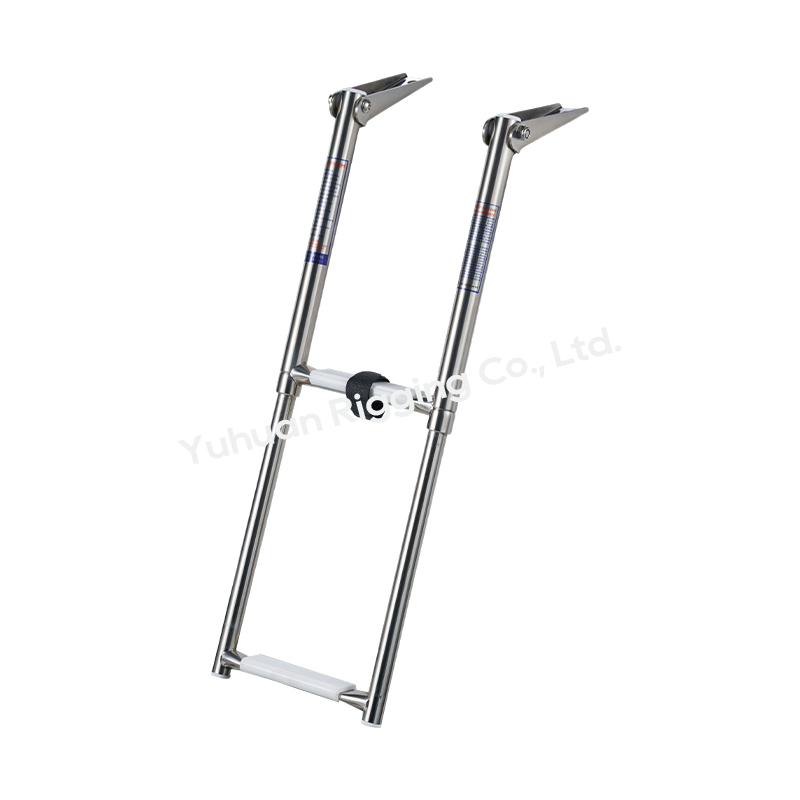
Compact and easy to install, this 2‑step ladder is a practical boarding solution for small yachts, bass boats, and fishing vessels – great value.Material: Marine‑grade stainless steel – rust‑proof and...
See Details -
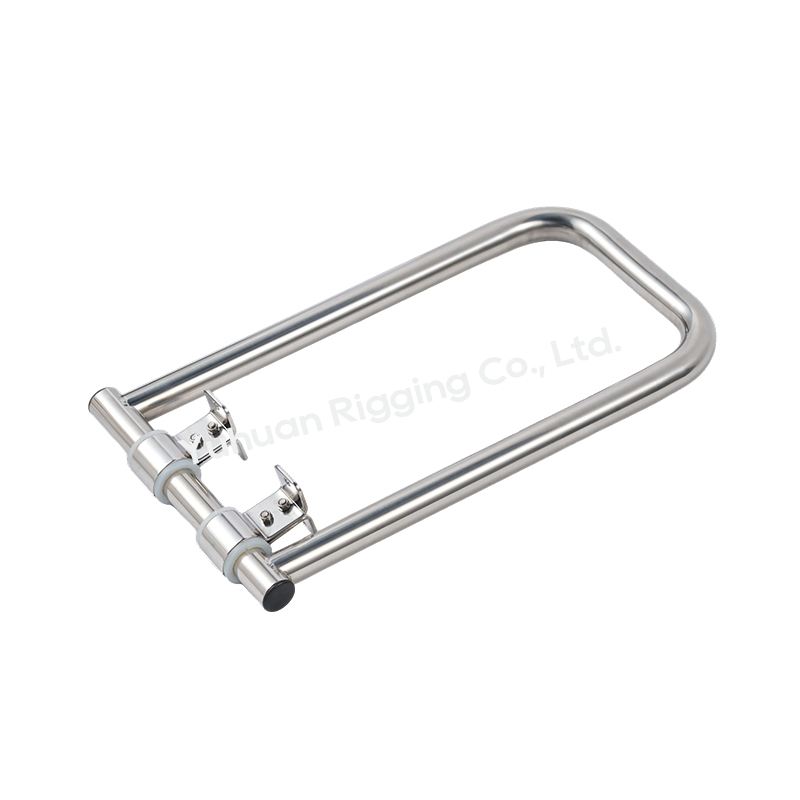
2-Step Fold Down Swim Ladder for Boats and Yachts features a compact fold-down style and high-polished AISI 316 stainless steel construction. The strong tubular frame provides dependable support, whil...
See Details -
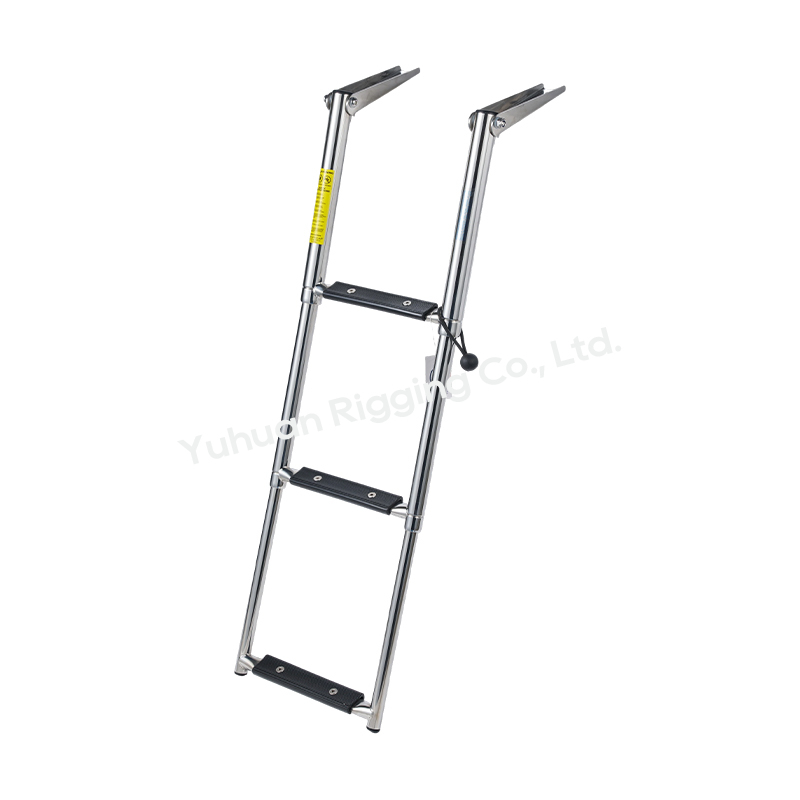
Sturdy and easy to mount, this 3‑step ladder suits small to medium yachts, fishing boats, and speedboats – a versatile boarding solution.Material: Polished marine stainless steel – resists salt spray ...
See Details -
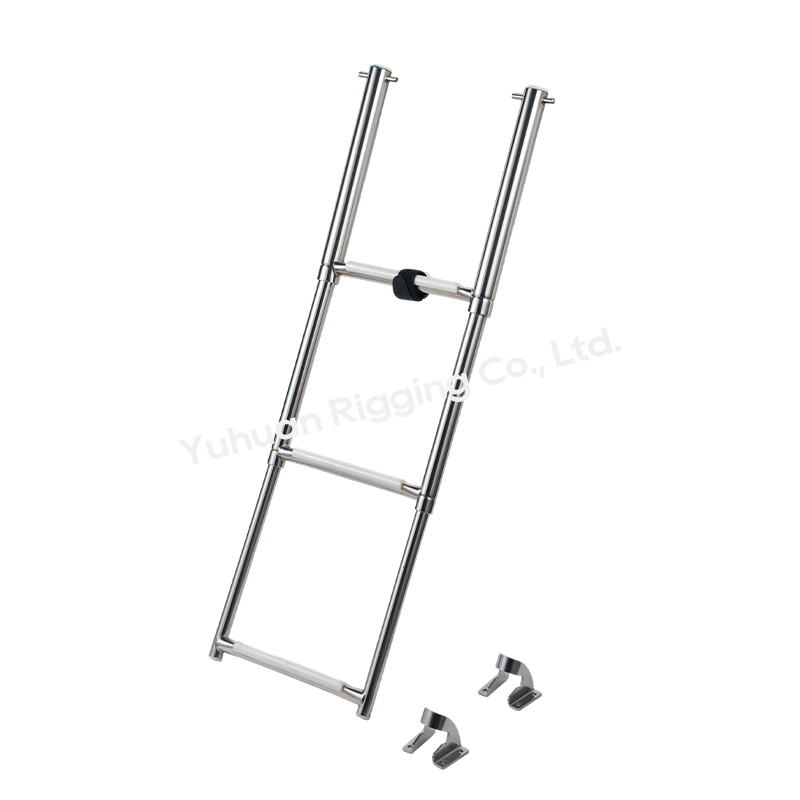
Marine Grade 316 Stainless Steel Telescopic Boat Ladder 254 mm x 875 mm offers a compact boarding solution with a smooth sliding extension system that moves in and out of the water without resistance....
See Details -
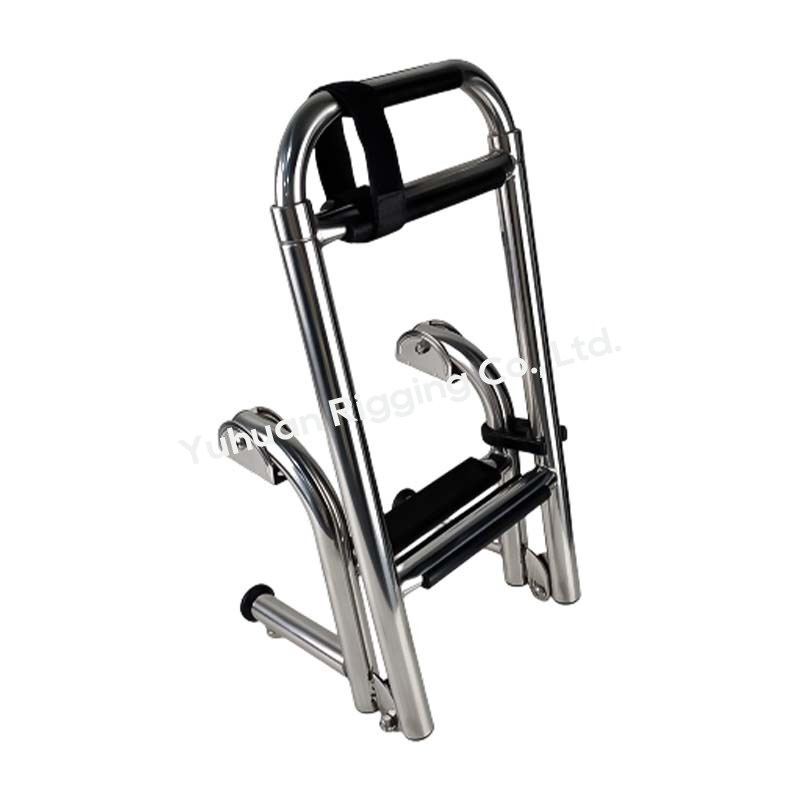
This Marine SS316 3-Step Folding Boat Boarding Ladder is designed for safe and convenient boarding on yachts, fishing boats, speedboats, and other recreational vessels. Made from marine-grade 316 stai...
See Details -
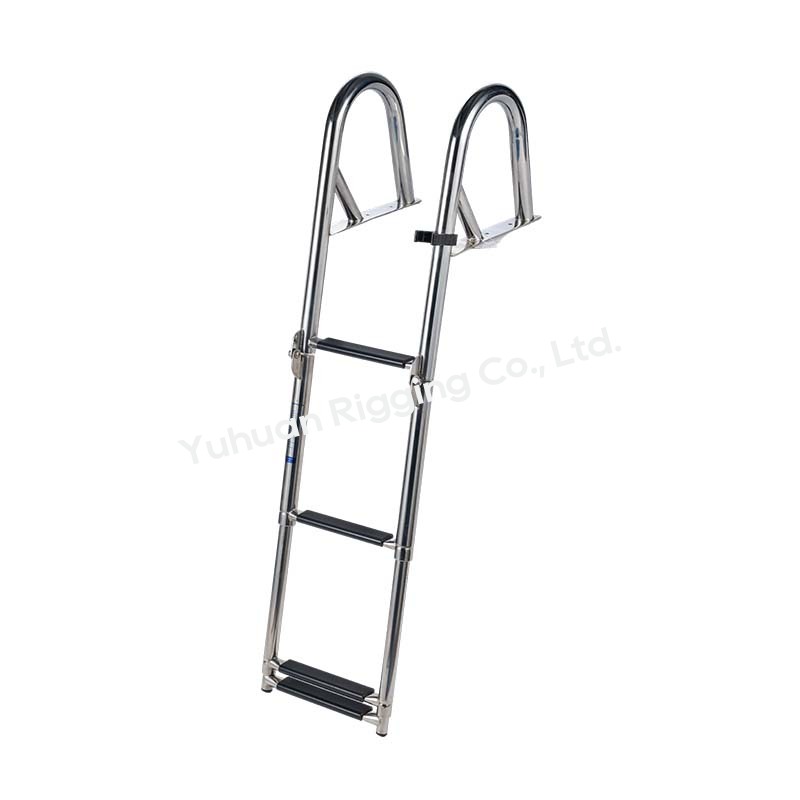
This Marine SS316 3-Step Recessed Telescopic Boat Ladder combines a compact storage design with dependable boarding performance for a wide range of marine applications. Built from marine-grade 316 sta...
See Details -
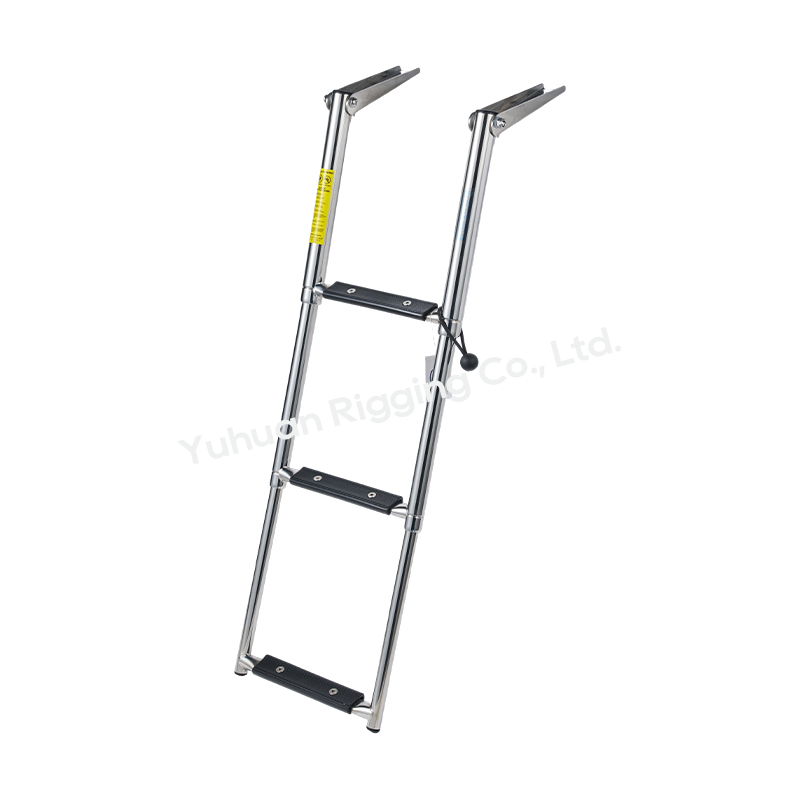
This Marine SS316 3-Step Telescopic Boat Boarding Ladder is designed for convenient boarding and water access on yachts, fishing boats, pontoons, and recreational vessels. Manufactured from marine-gra...
See Details -
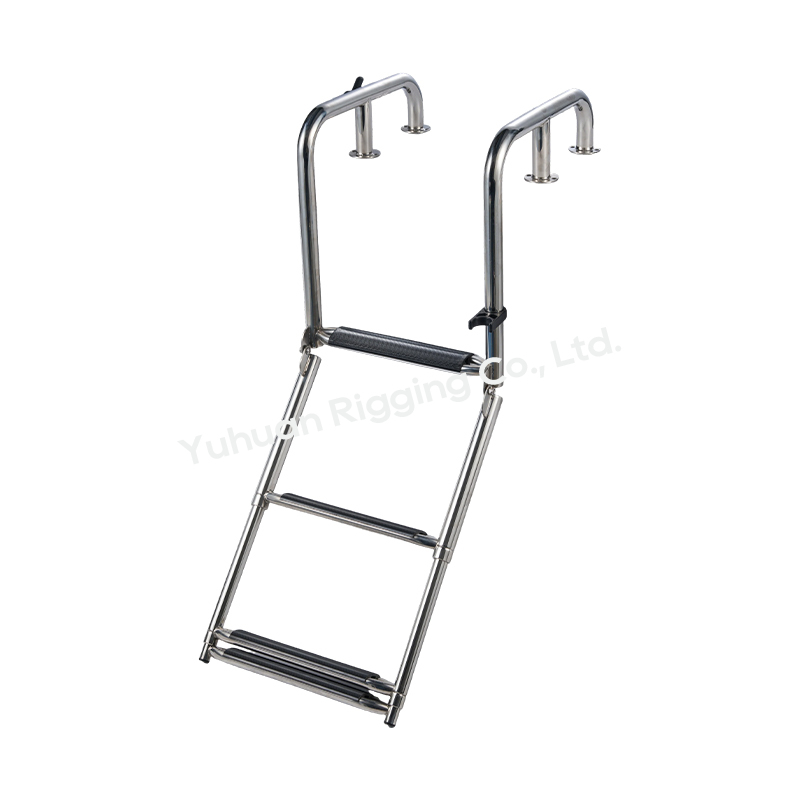
370mm Stainless Steel Telescopic Swim Platform Ladder combines a space-saving telescopic structure with integrated handrails, making boarding safer and more comfortable. Available in 3, 4, and 5-step ...
See Details -
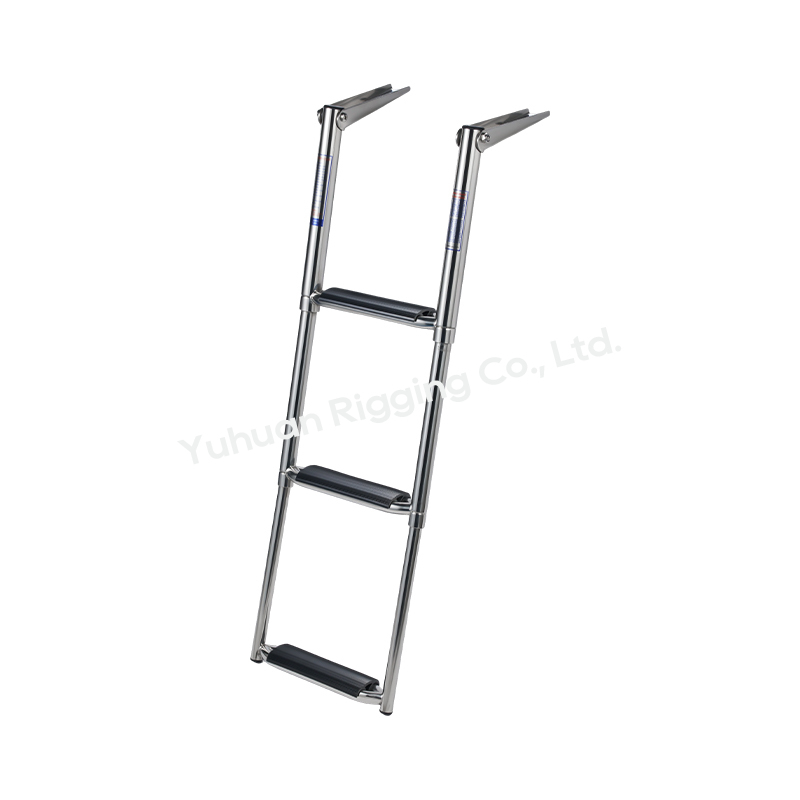
254mm Stainless Steel Telescopic Swim Platform Ladder features a compact three-step telescopic structure. The heavy-duty stainless steel frame offers excellent strength and stability, while the wide a...
See Details -
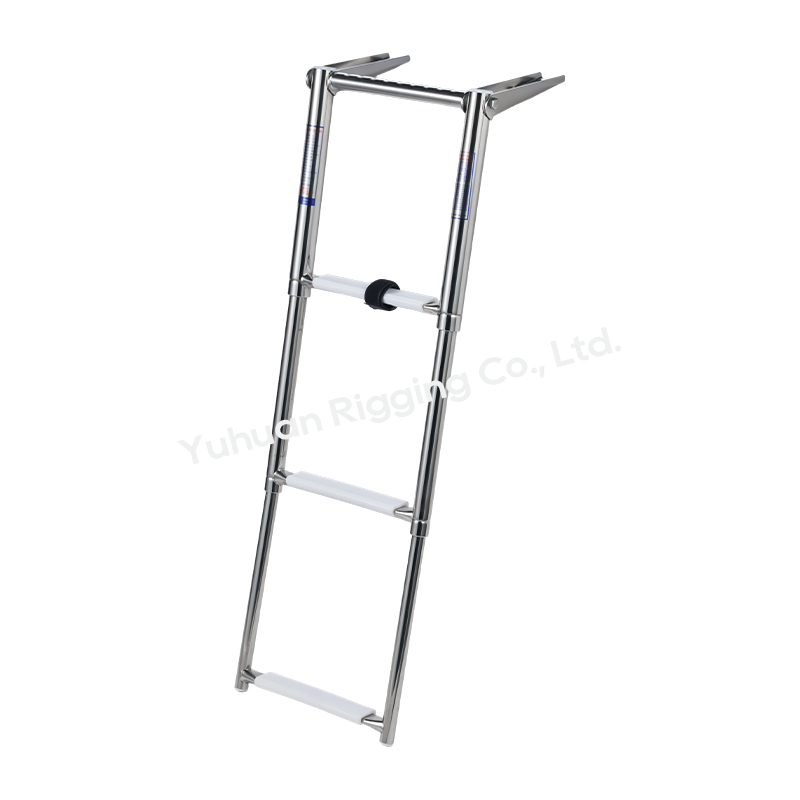
2-4 Steps Stainless Steel Telescopic Swim Platform Ladder offers a practical boarding solution with a smooth telescopic action and a choice of 2 to 4 steps to suit different boat heights. Strong mount...
See Details -
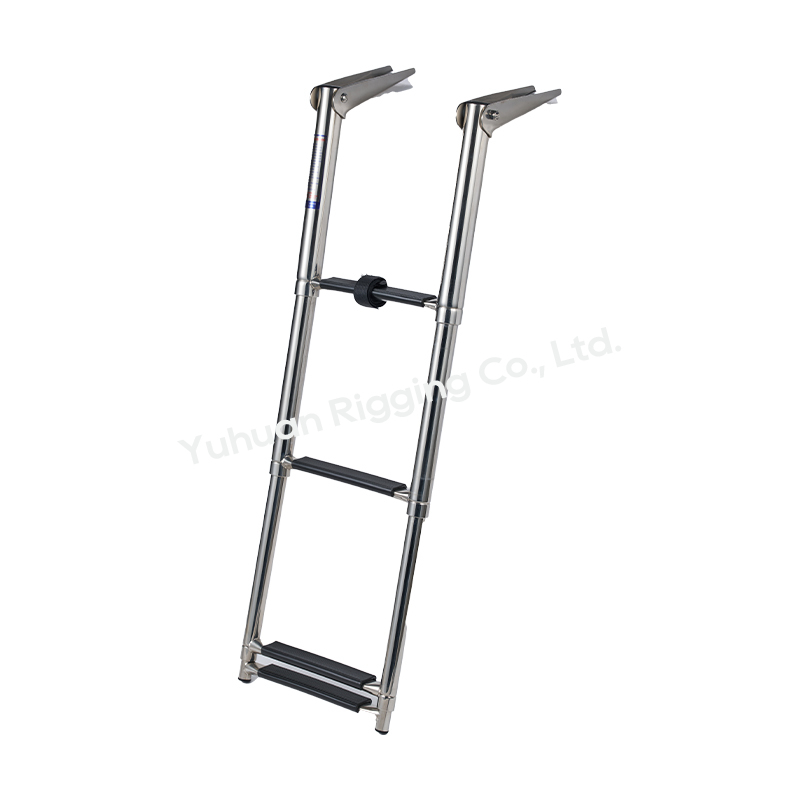
4-Step 316 Stainless Steel Telescopic Boat Boarding Ladder offers a secure and convenient way to board your boat after swimming, diving, or docking. The four-step telescopic structure provides extra c...
See Details

Copyright © Yuhuan Rigging Co., Ltd. All Rights Reserved.
Boat Fittings
