 English
 中文简体
中文简体 عربى
عربىDesigned for vessel platform boarding, this telescopic ladder combines convenience and safety – essential for yachts, fishing boats, and workboats.Material: Polished SS316 – corrosion‑resistant, thick...
See Details
Stainless Steel Marine Bow Rollers Cut Anchor Chain Wear
Published on 08 07, 2026
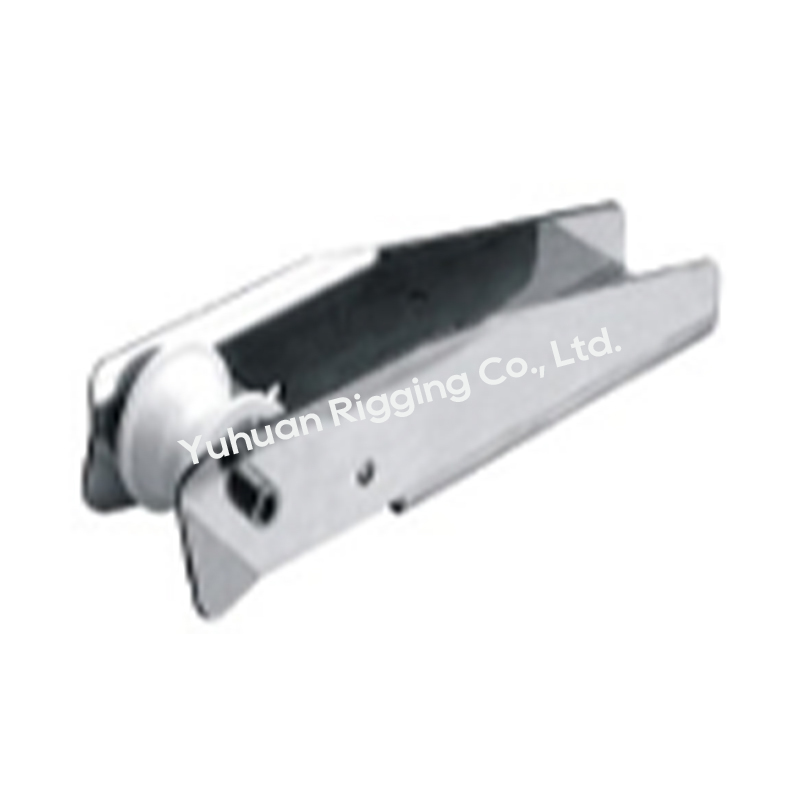
An anchor chain running over a poorly matched roller wears a groove into the metal within a single season, and that groove is usually the clearest sign a buyer gets that the wrong bow roller was specified for the boat. A stainless steel marine bow roller sits at a point on the hull that takes constant load, saltwater exposure, and repeated metal-on-metal contact every time the anchor goes down or comes back up, which makes the sourcing decision behind this small part more consequential than its size suggests.
Matching Roller Configuration to Anchor Type
Not every stainless steel marine bow roller suits every anchor style, and this is the detail buyers get wrong more often than any other when ordering from a catalog photo alone. Getting this wrong rarely shows up on delivery inspection, since a mismatched roller still turns freely when new; the wear pattern only becomes obvious after a season of real anchoring cycles. A single-wheel roller works well with a plow or Delta-style anchor that sits centered on the bow, while a double-wheel or butterfly-style configuration spreads the load for anchors that shift position slightly during retrieval. Choosing the wrong configuration does not always fail immediately, but it accelerates wear on both the roller and the anchor shank over repeated cycles.
|
Configuration |
Anchor Types Suited |
Load Distribution |
|
Single wheel |
Plow, Delta-style anchors |
Centered, moderate capacity |
|
Double wheel |
Anchors that shift during retrieval |
Spread across two contact points |
|
Butterfly-style |
Mixed anchor storage on wider bows |
Balanced across a wider span |
Checking Material Grade Before Placing an Order
Material grade is a second checkpoint worth raising directly in the quotation stage. Buyers comparing quotations for a stainless steel marine bow roller should ask directly which stainless grade the supplier uses, since 316-grade material resists saltwater corrosion far longer than 304-grade material, even though the two can look identical on delivery. A roller that pits or stains within a year of coastal use is frequently a 304-grade part sold without that detail volunteered on the product page, and a buyer who does not raise the question directly may not learn the grade of their stainless steel marine bow roller until corrosion is already visible. This distinction matters more on a bow roller than on many other deck fittings, since it sits in near-constant contact with salt spray and chain contact that removes any protective surface layer over time.
Confirming Load Rating Against the Boat's Anchor Weight
A stainless steel marine bow roller rated for a light anchor and rode will flex or crack under a heavier setup, and this mismatch shows up during rough anchoring conditions rather than during a calm-water test. Buyers should confirm the roller's rated working load against the actual anchor and chain weight on the vessel, not just the boat's general size category, since two boats of similar length can carry very different ground tackle depending on cruising region and anchorage conditions.
Evaluating a Supplier's Manufacturing and Customization Capability
A factory producing its own stainless steel marine bow roller components typically casts or forges the main body, then machines the roller bore and pin holes to a tolerance checked before the wheel assembly is fitted, since a loose-fitting anchor chain guide wheel wears unevenly and eventually seizes. Buyers ordering in volume for a boatbuilding program should ask whether the factory can adjust roller width, mounting bolt pattern, or wheel material to match an existing hull design, since a standard catalog part rarely fits a custom bow assembly without some adjustment. Factories set up for this kind of customization generally build it into their normal production sequence rather than routing it through a separate engineering request, which keeps lead times realistic for a buyer working against a build schedule.
Verifying Certification and Bulk Supply Before Committing
Buyers sourcing a single wheel anchor roller or double-wheel equivalent for an OEM boatbuilding program should request documentation on material certification and salt-spray test results before signing a purchase order, since these documents are what a marine surveyor or classification body will ask for later. Bulk supply capacity is worth confirming separately from sample quality, because a supplier able to produce one flawless sample is not automatically able to hold consistent tolerances across a production run of several hundred units. Asking for production capacity per month, along with a reference from an existing boatbuilder client, gives a buyer a clearer picture of what a stainless steel marine bow roller order will actually look like once it reaches full scale, rather than relying on a single polished sample sent for evaluation.
Related products
-
-
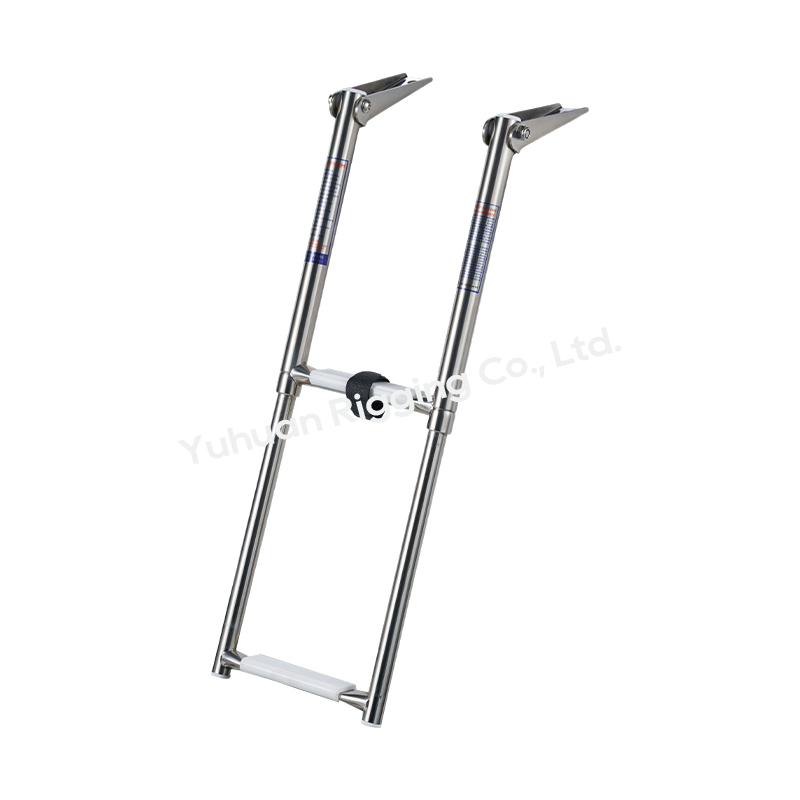
Compact and easy to install, this 2‑step ladder is a practical boarding solution for small yachts, bass boats, and fishing vessels – great value.Material: Marine‑grade stainless steel – rust‑proof and...
See Details -
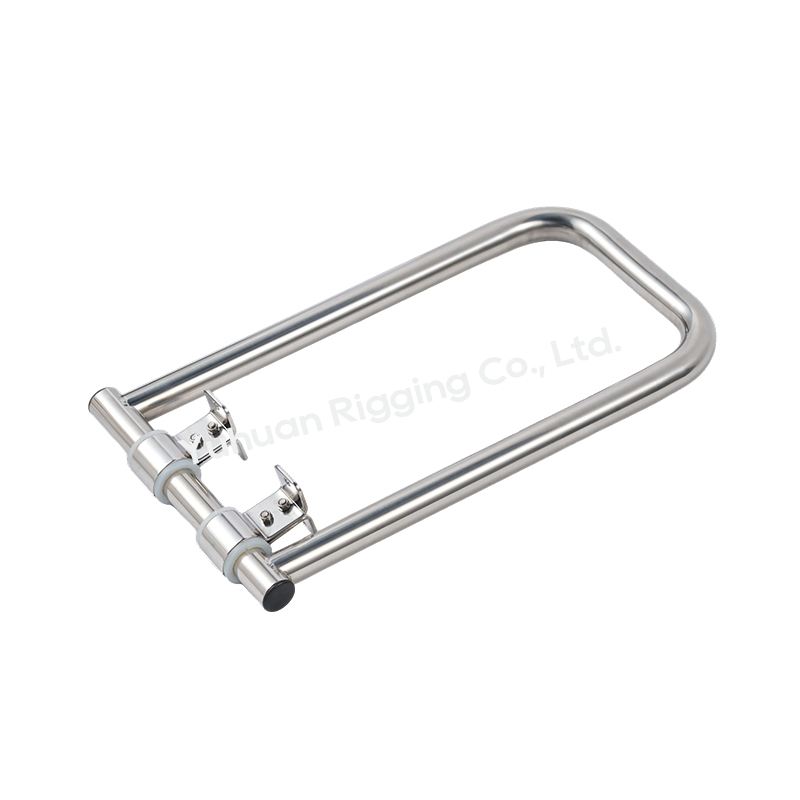
2-Step Fold Down Swim Ladder for Boats and Yachts features a compact fold-down style and high-polished AISI 316 stainless steel construction. The strong tubular frame provides dependable support, whil...
See Details -
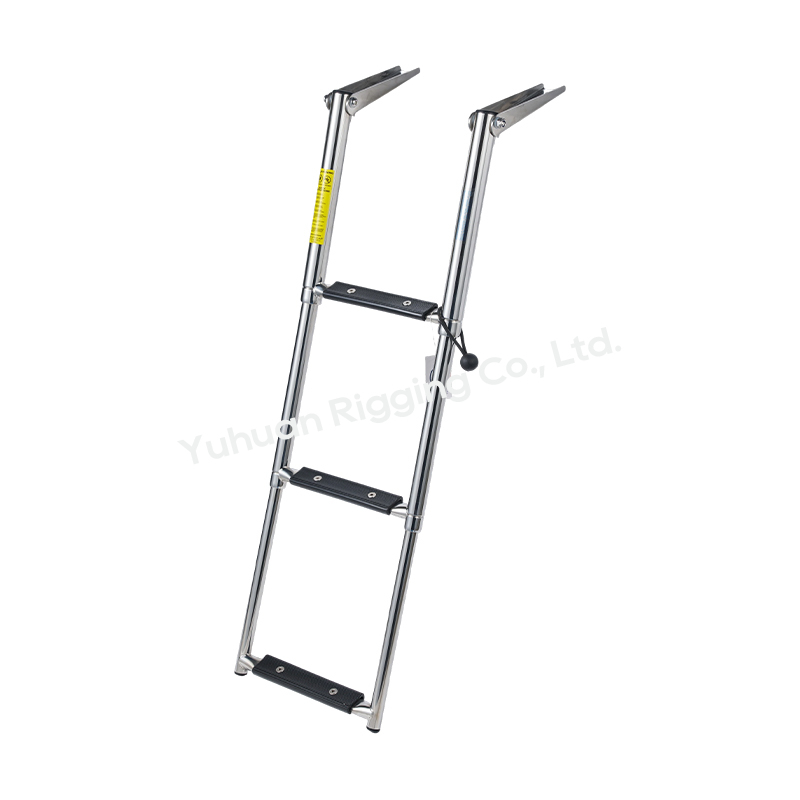
Sturdy and easy to mount, this 3‑step ladder suits small to medium yachts, fishing boats, and speedboats – a versatile boarding solution.Material: Polished marine stainless steel – resists salt spray ...
See Details -
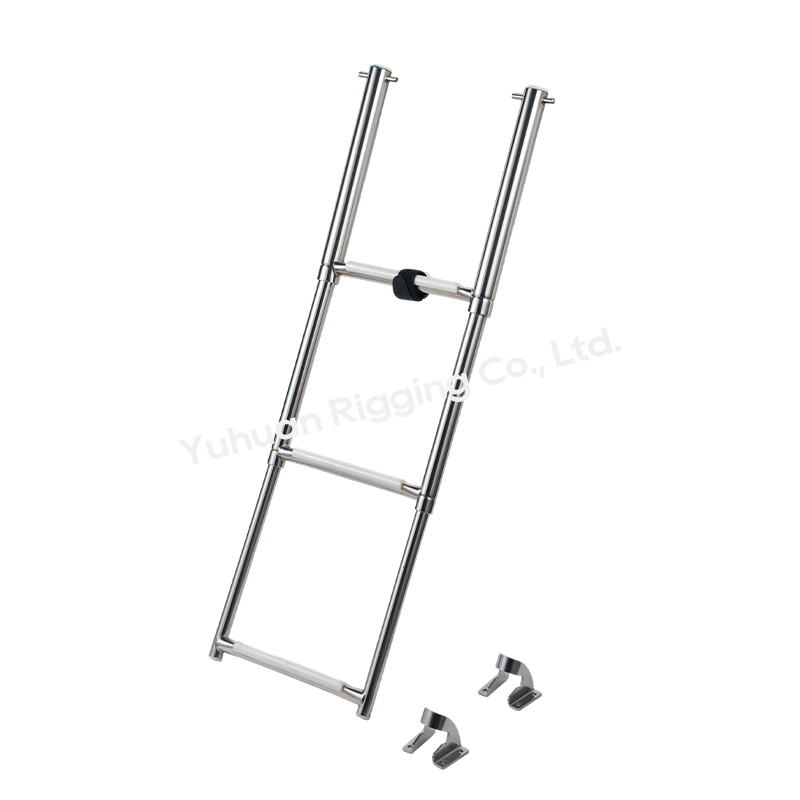
Marine Grade 316 Stainless Steel Telescopic Boat Ladder 254 mm x 875 mm offers a compact boarding solution with a smooth sliding extension system that moves in and out of the water without resistance....
See Details -
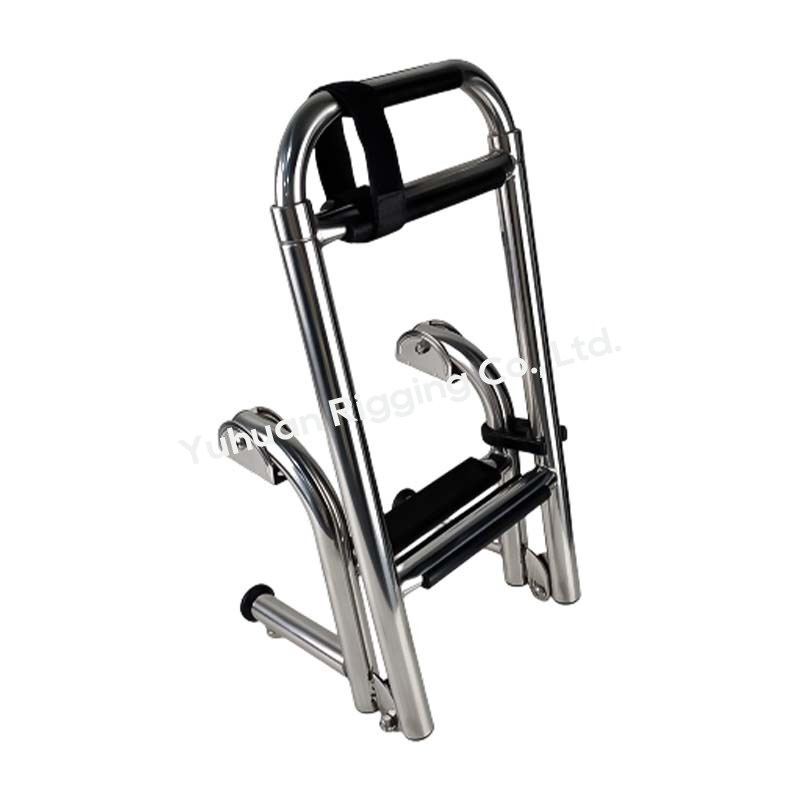
This Marine SS316 3-Step Folding Boat Boarding Ladder is designed for safe and convenient boarding on yachts, fishing boats, speedboats, and other recreational vessels. Made from marine-grade 316 stai...
See Details -
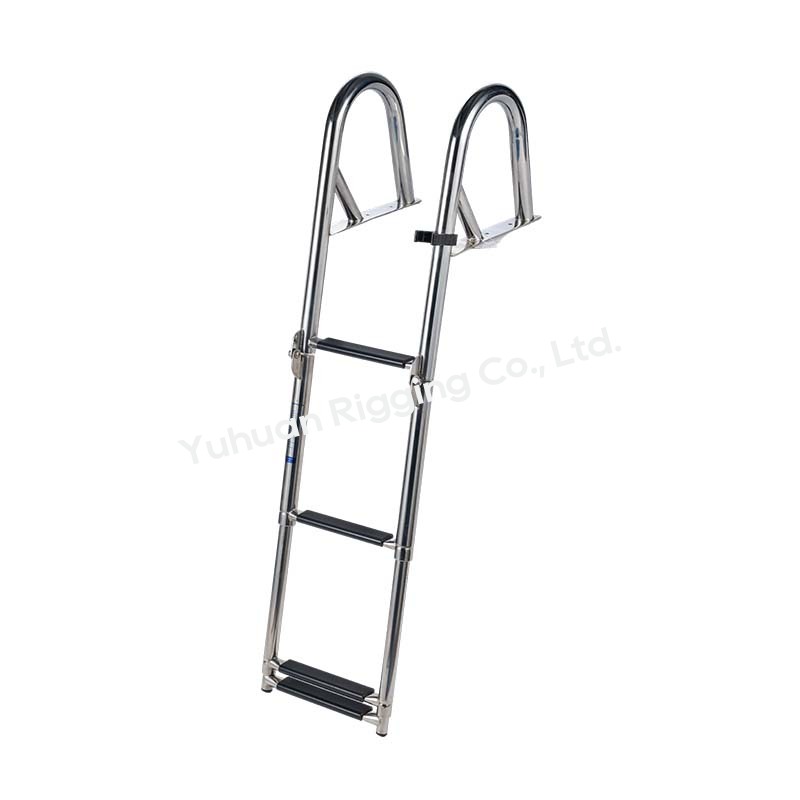
This Marine SS316 3-Step Recessed Telescopic Boat Ladder combines a compact storage design with dependable boarding performance for a wide range of marine applications. Built from marine-grade 316 sta...
See Details -
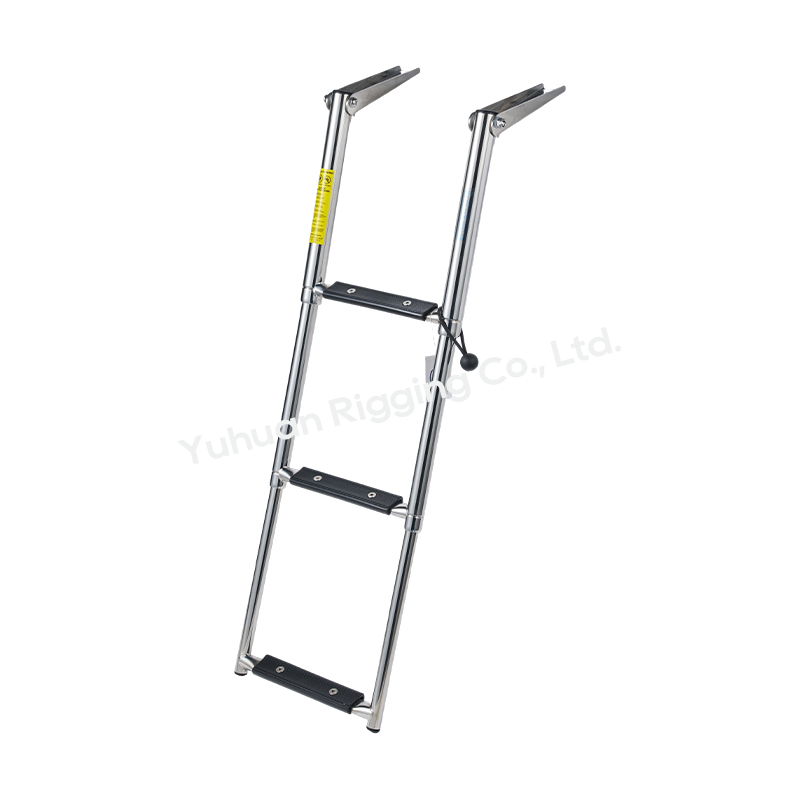
This Marine SS316 3-Step Telescopic Boat Boarding Ladder is designed for convenient boarding and water access on yachts, fishing boats, pontoons, and recreational vessels. Manufactured from marine-gra...
See Details -
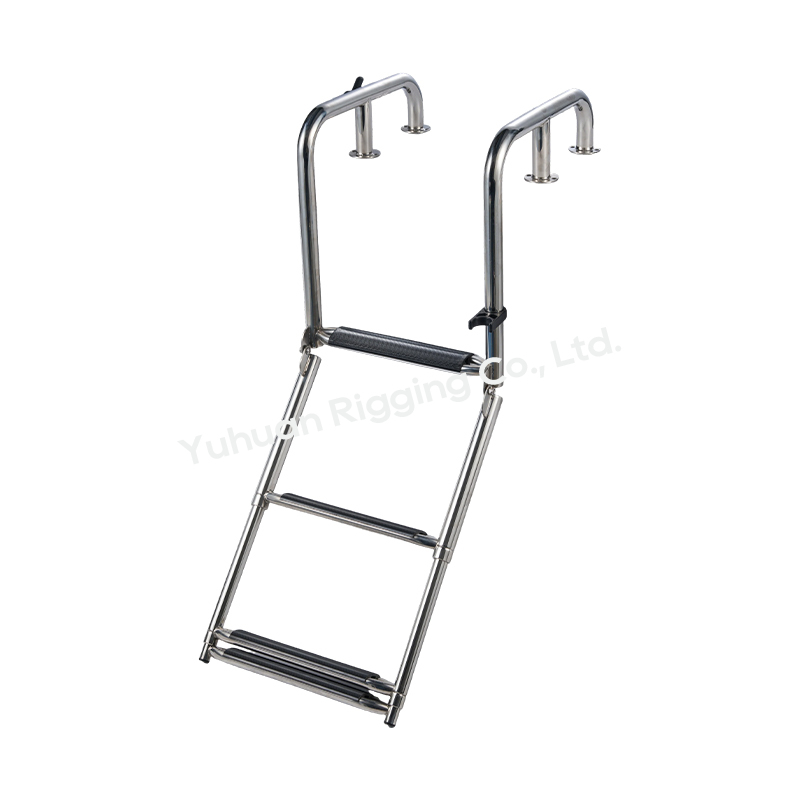
370mm Stainless Steel Telescopic Swim Platform Ladder combines a space-saving telescopic structure with integrated handrails, making boarding safer and more comfortable. Available in 3, 4, and 5-step ...
See Details -
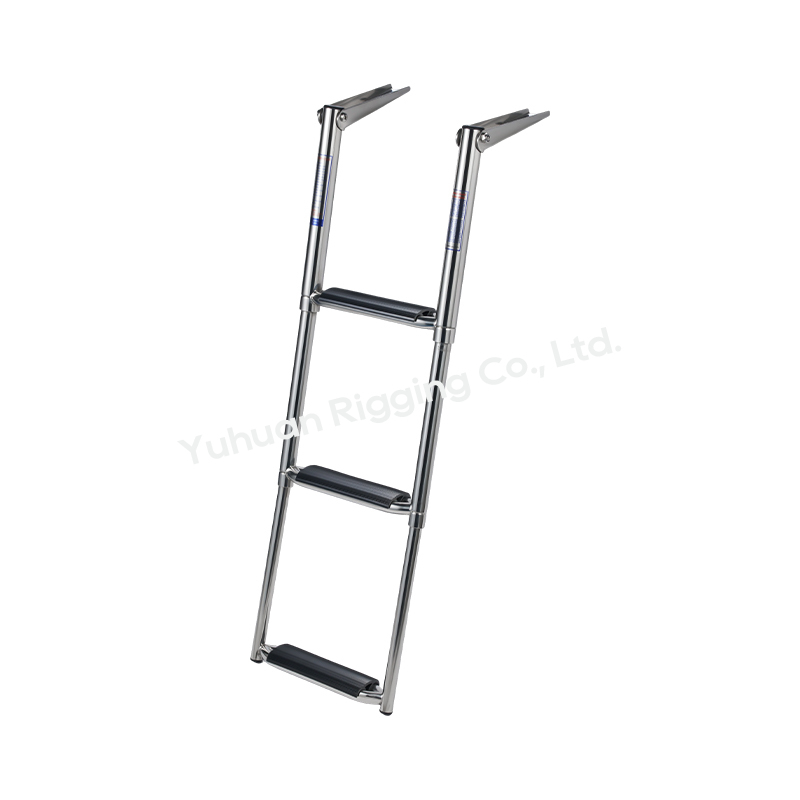
254mm Stainless Steel Telescopic Swim Platform Ladder features a compact three-step telescopic structure. The heavy-duty stainless steel frame offers excellent strength and stability, while the wide a...
See Details -
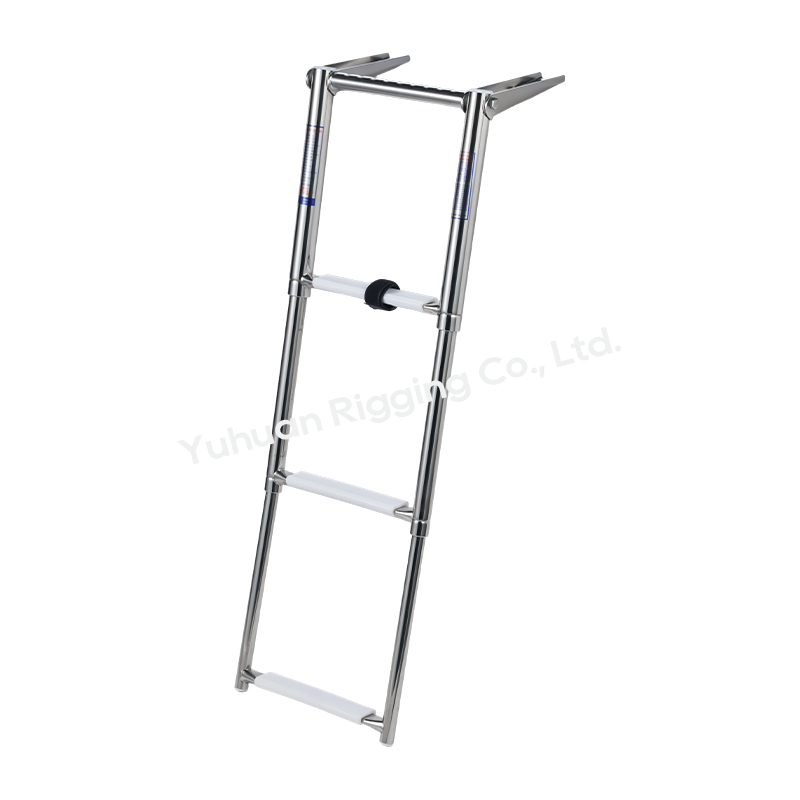
2-4 Steps Stainless Steel Telescopic Swim Platform Ladder offers a practical boarding solution with a smooth telescopic action and a choice of 2 to 4 steps to suit different boat heights. Strong mount...
See Details -
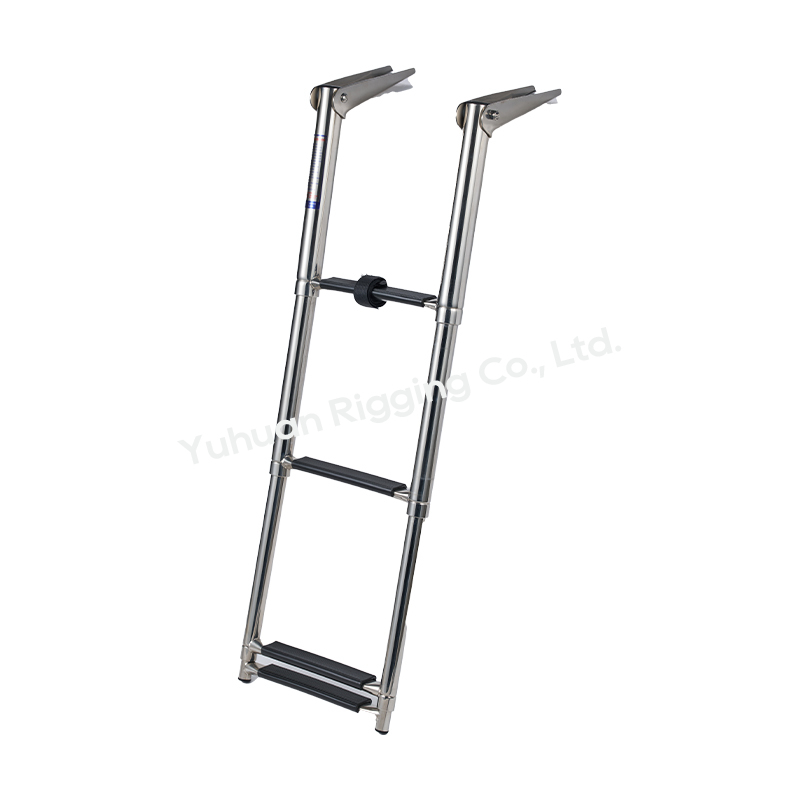
4-Step 316 Stainless Steel Telescopic Boat Boarding Ladder offers a secure and convenient way to board your boat after swimming, diving, or docking. The four-step telescopic structure provides extra c...
See Details

Copyright © Yuhuan Rigging Co., Ltd. All Rights Reserved.
Boat Fittings
