 English
 中文简体
 عربى
Designed for vessel platform boarding, this telescopic ladder combines convenience and safety – essential for yachts, fishing boats, and workboats.Material: Polished SS316 – corrosion‑resistant, thick...
See Details
Platform Boarding Ladder Faults Follow Water, Weight and Wear
Published on 11 06, 2026

A Platform Boarding Ladder spends its life in three conditions that few other fittings face together: salt or fresh water, repeated body weight from people stepping on while the boat moves, and months of vibration at the mounting points. Faults on a boarding ladder rarely appear suddenly. They build up at the places where water collects, where load concentrates and where hardware moves, and those places are well known across the marine industry. Yuhuan Rigging Co., Ltd., established in 1997 in Yuhuan, Zhejiang, makes stainless steel marine hardware, including boat ladders, and its platform ladders are laid out around those weak points.
Common Faults and the Design Response
The table lists faults seen often on small-boat ladders and the feature that addresses each on a Platform Boarding Ladder from Yuhuan Rigging.
|
Fault |
How it shows |
Design response |
|
Surface rust marks |
Brown staining around welds and screw heads after salt exposure |
Marine-grade stainless steel with a rust-resistant finish, in SS304 and SS316 grades across the ladder range |
|
Slippery steps |
A wet or algae-covered platform underfoot |
A wide anti-slip platform |
|
Wobbling handrail |
Flex felt at the hands during the climb |
Double-curved handrails on both sides, giving support from the waterline up to the deck |
|
Loose mounting |
Rattling at the stern or side after repeated wave movement |
Direct mounting on the stern or sides with a simple installation |
|
Wrong height for the boat |
The lower step ends above or far below the waterline |
Models from a compact 1-step to a 2-3 step anti-slip version |
Why Stainless Steel Still Shows Rust Marks
Stainless steel resists corrosion because of a thin chromium oxide layer on its surface, and chloride in salt spray can break that layer down where it cannot renew itself. Those spots are usually crevices, such as the space under a washer or the rough zone beside a weld. The result is brown tea staining that looks serious and often stays on the surface, although a damaged crevice can deepen over time.
Grade matters here. SS316 contains molybdenum, which gives better resistance to chloride than SS304, so SS316 suits salt water while SS304 is common on fresh-water and lightly exposed boats. Yuhuan Rigging supplies both grades, with SS304 heavy duty platform ladders alongside SS316 ladders elsewhere in the boat ladder range, so the grade can follow the water the boat works in. In a Platform Boarding Ladder, the rust-resistant finish protects the surface at welds and screw heads, where staining begins.
Mixed metals add a second source of staining. A stainless fitting bolted directly to aluminium can set up galvanic corrosion at the contact point, so the hardware around the ladder matters as much as the ladder itself.
What Moving Water Does to a Fixed Ladder
A boat that rocks at a dock changes how a person's weight lands on a ladder. Each step is loaded, unloaded and loaded again at an angle, and the stress passes through the platform edges, the handrail joints and the mounting points. Repeated stress of that kind is the usual cause of fatigue cracks next to welds, and it also works fasteners loose.
Two features in a Yuhuan Rigging Platform Boarding Ladder spread that load. The wide platform gives the foot a stable surface, so weight is not concentrated on one narrow edge. The double-curved handrails on both sides carry the climber's grip along a longer line of tube, which lets the hands share the effort of pulling up from the water. A Platform Boarding Ladder with handrails on both sides also lets a tired swimmer pull evenly instead of twisting the ladder to one side.
Fitting the Ladder to the Boat
Direct mounting of a Platform Boarding Ladder on the stern or sides keeps the installation short, which leaves fewer chances for a misaligned bolt or a missed fastener. The range runs from a compact 1-step model to a 2-3 step anti-slip model, so a speedboat with a low transom and a fishing boat with higher sides can each use a ladder sized for the job. The same Platform Boarding Ladder is used on small center-console boats for swimming, fishing and daily boarding.
Emergency water access is where these details matter. A person who has fallen overboard is cold and tired, and the initial contact with the ladder has to be a firm step and a secure grip. The anti-slip platform and the two handrails of a Platform Boarding Ladder give that contact from the waterline upward.
Related products
-
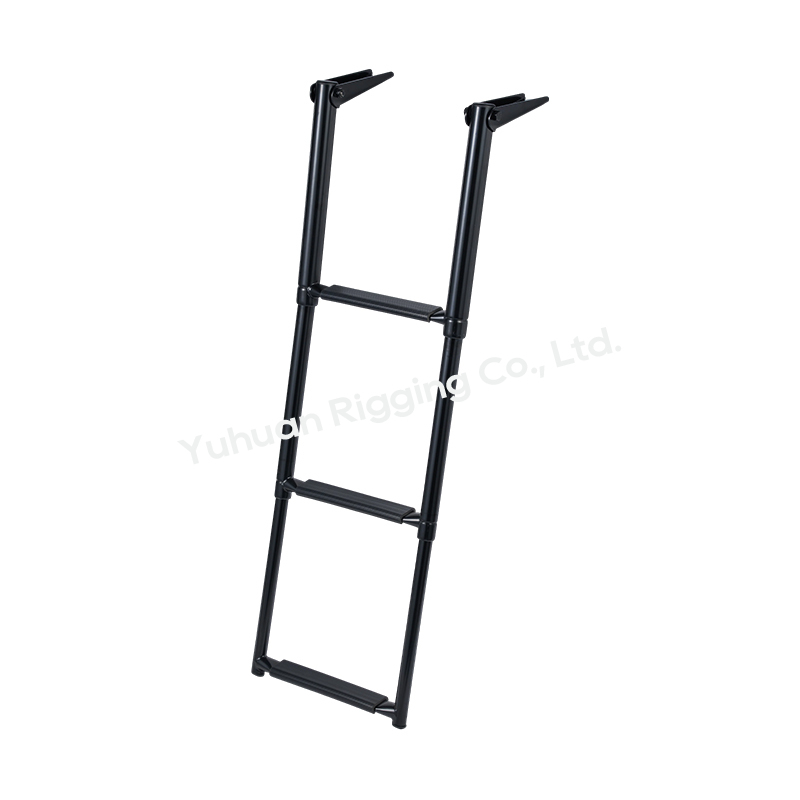
-
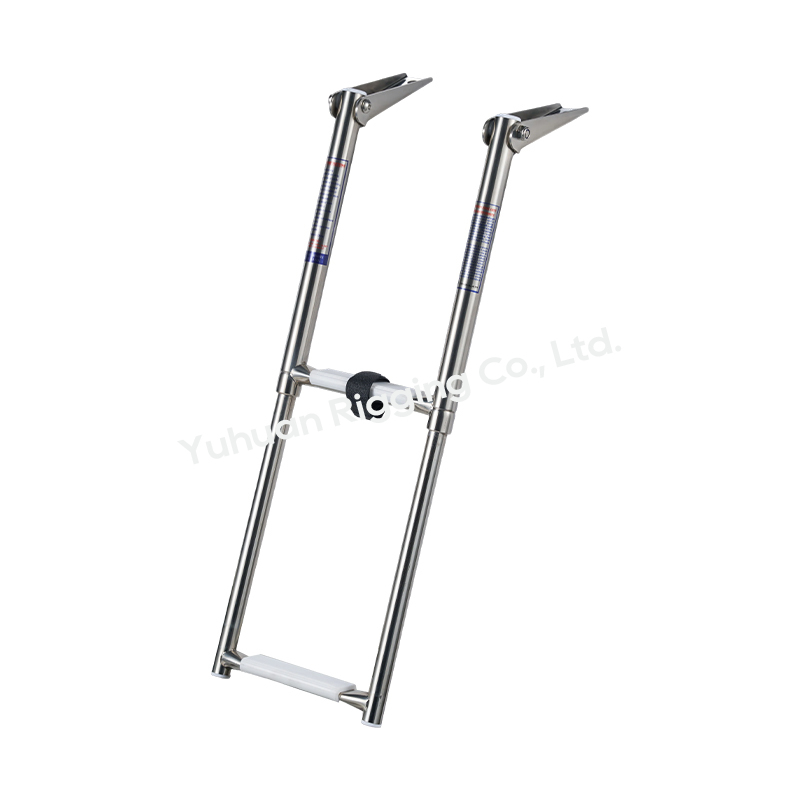
Compact and easy to install, this 2‑step ladder is a practical boarding solution for small yachts, bass boats, and fishing vessels – great value.Material: Marine‑grade stainless steel – rust‑proof and...
See Details -
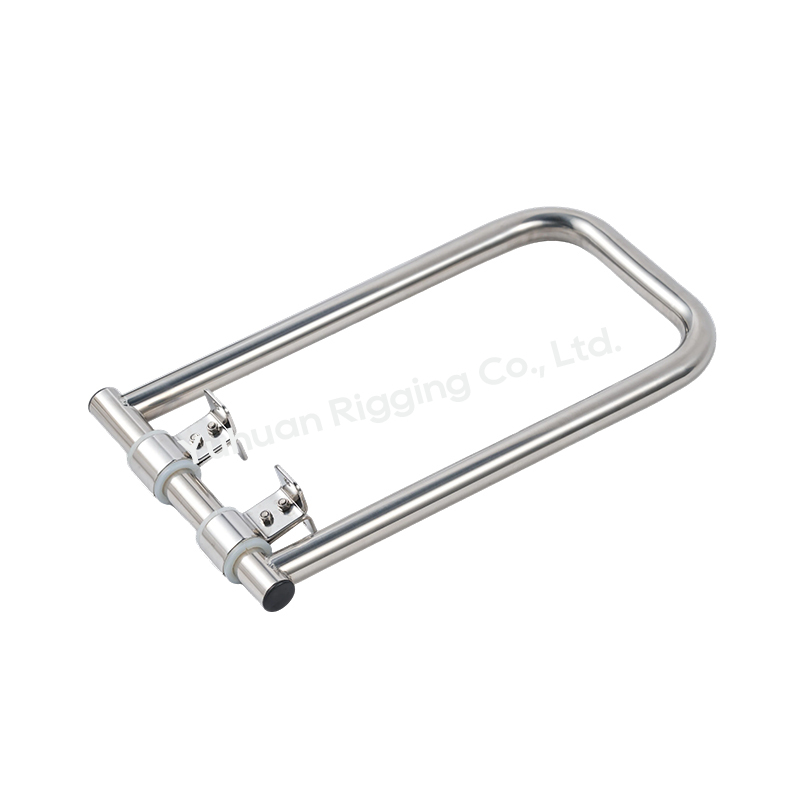
2-Step Fold Down Swim Ladder for Boats and Yachts features a compact fold-down style and high-polished AISI 316 stainless steel construction. The strong tubular frame provides dependable support, whil...
See Details -
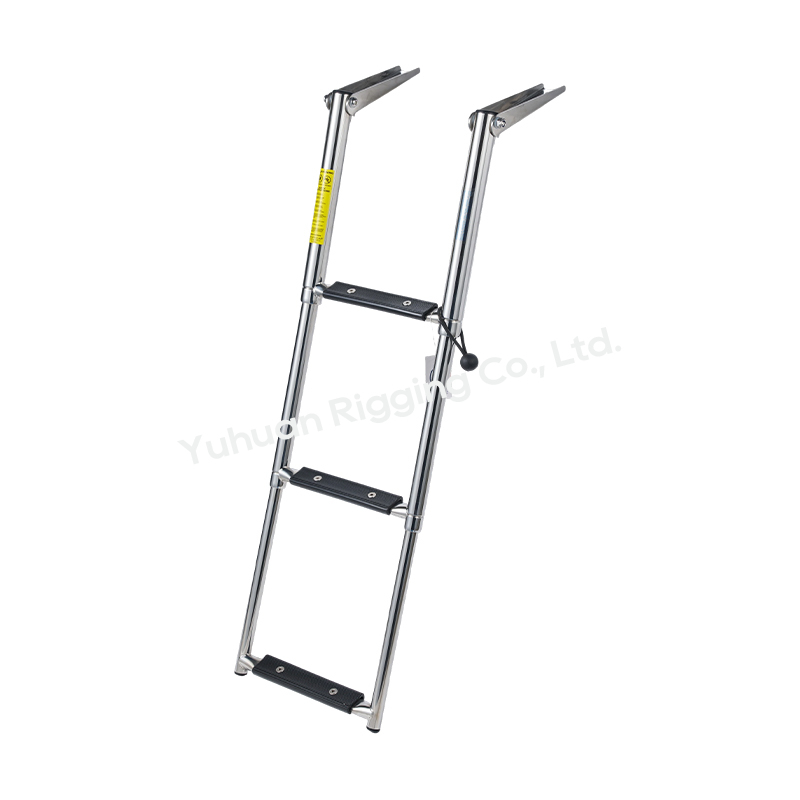
Sturdy and easy to mount, this 3‑step ladder suits small to medium yachts, fishing boats, and speedboats – a versatile boarding solution.Material: Polished marine stainless steel – resists salt spray ...
See Details -
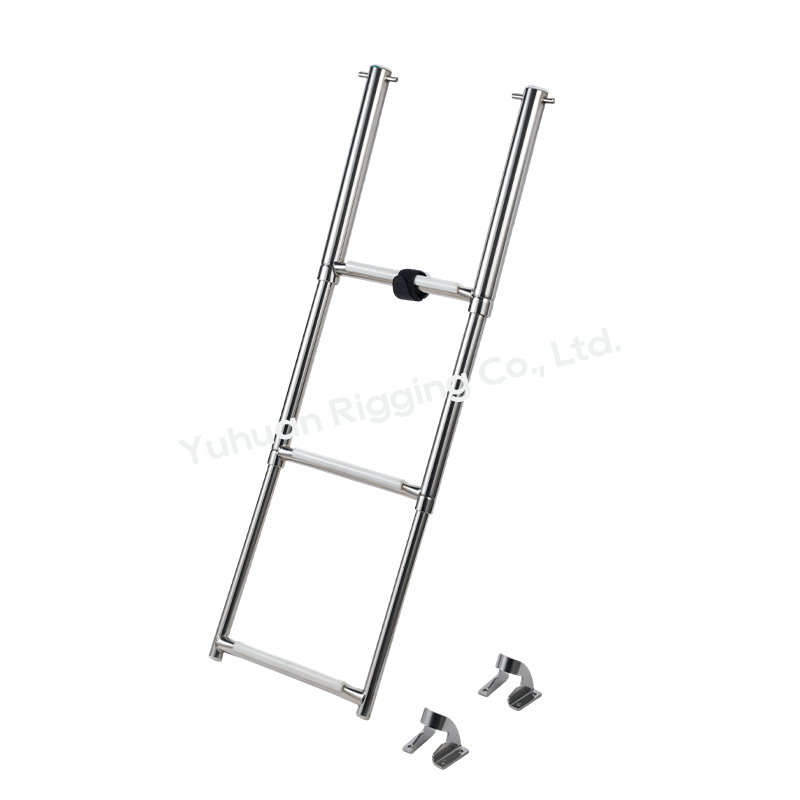
Marine Grade 316 Stainless Steel Telescopic Boat Ladder 254 mm x 875 mm offers a compact boarding solution with a smooth sliding extension system that moves in and out of the water without resistance....
See Details -
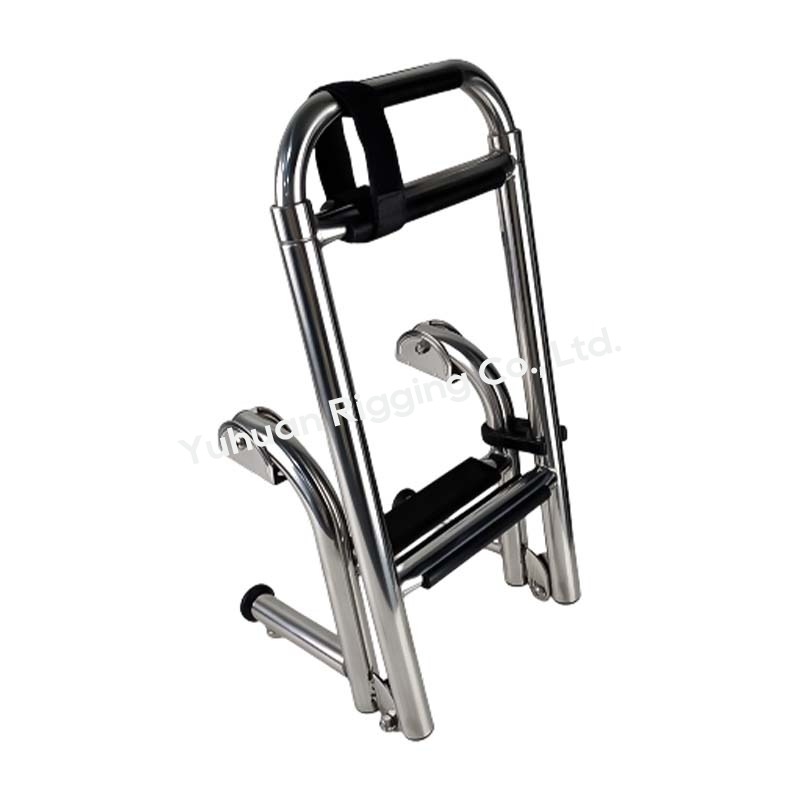
This Marine SS316 3-Step Folding Boat Boarding Ladder is designed for safe and convenient boarding on yachts, fishing boats, speedboats, and other recreational vessels. Made from marine-grade 316 stai...
See Details -
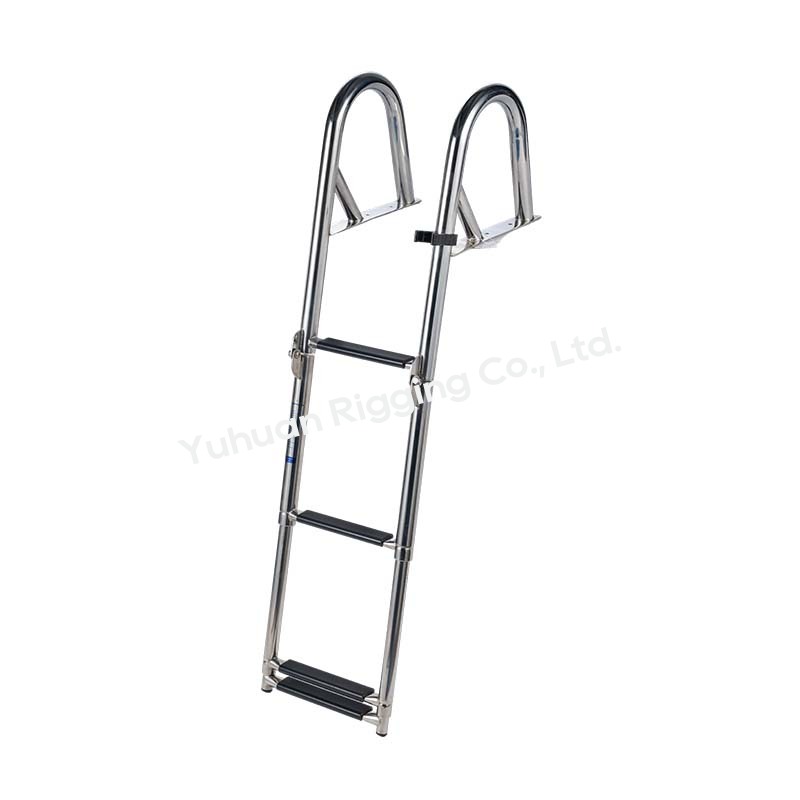
This Marine SS316 3-Step Recessed Telescopic Boat Ladder combines a compact storage design with dependable boarding performance for a wide range of marine applications. Built from marine-grade 316 sta...
See Details -
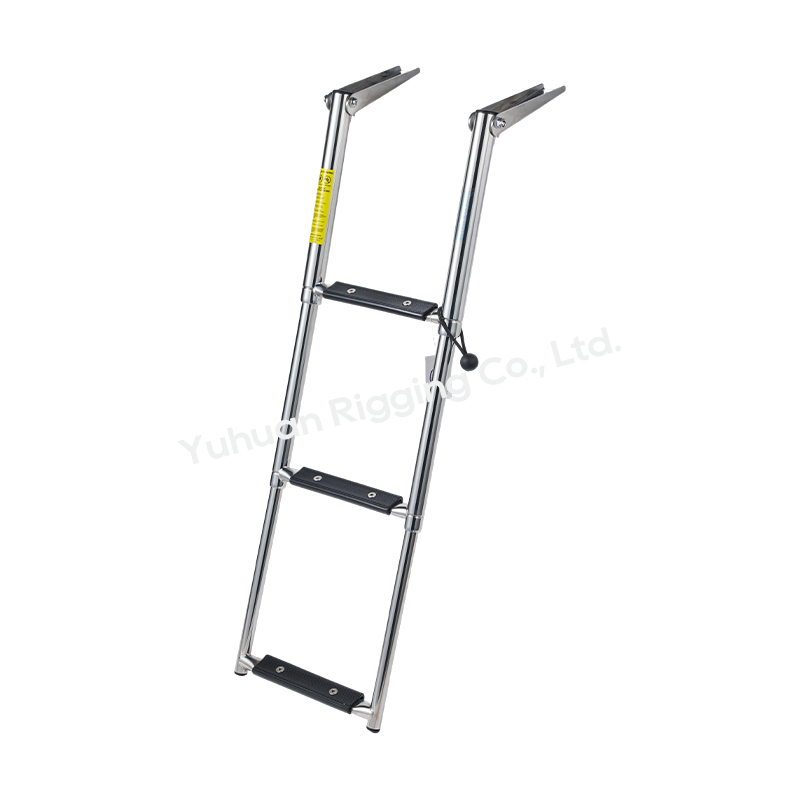
This Marine SS316 3-Step Telescopic Boat Boarding Ladder is designed for convenient boarding and water access on yachts, fishing boats, pontoons, and recreational vessels. Manufactured from marine-gra...
See Details -
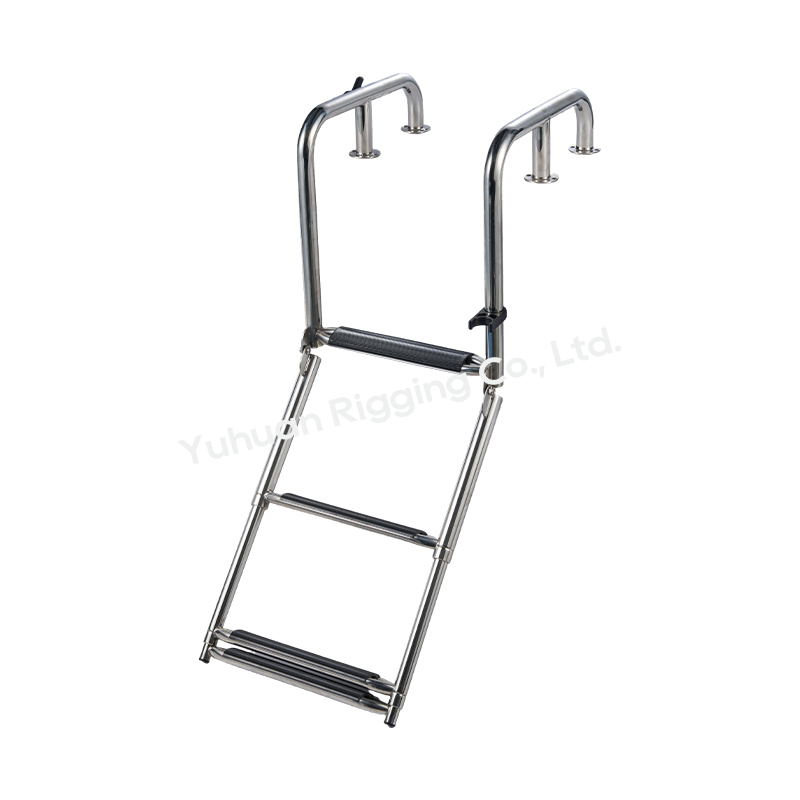
370mm Stainless Steel Telescopic Swim Platform Ladder combines a space-saving telescopic structure with integrated handrails, making boarding safer and more comfortable. Available in 3, 4, and 5-step ...
See Details -
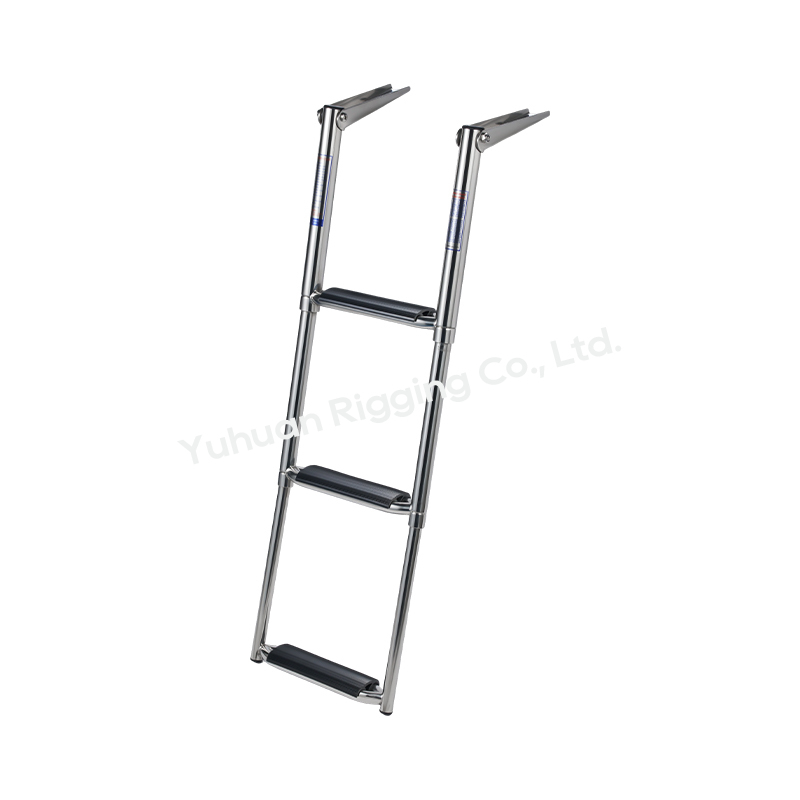
254mm Stainless Steel Telescopic Swim Platform Ladder features a compact three-step telescopic structure. The heavy-duty stainless steel frame offers excellent strength and stability, while the wide a...
See Details -
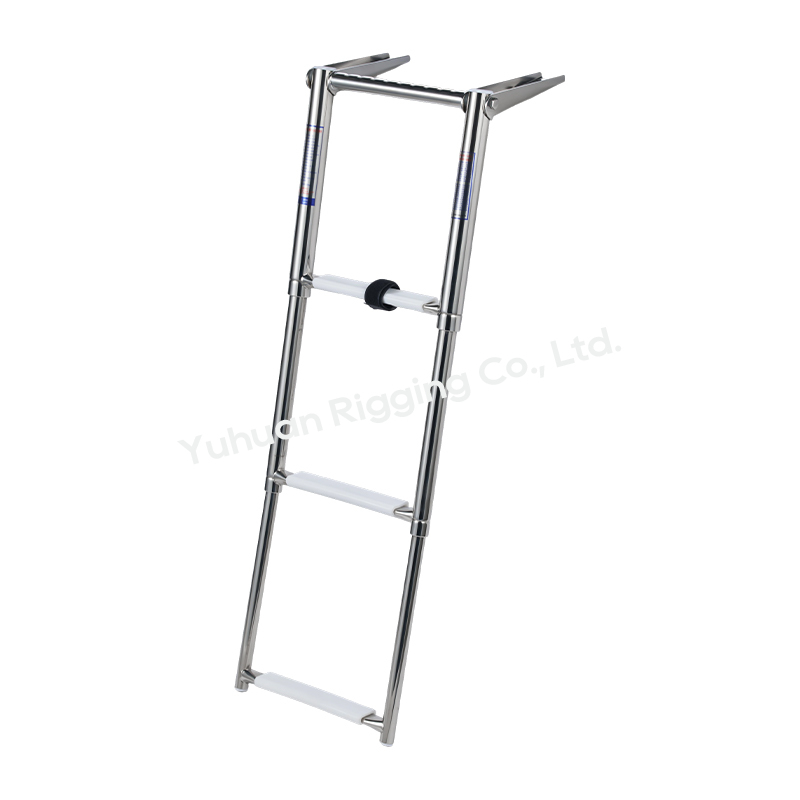
2-4 Steps Stainless Steel Telescopic Swim Platform Ladder offers a practical boarding solution with a smooth telescopic action and a choice of 2 to 4 steps to suit different boat heights. Strong mount...
See Details -
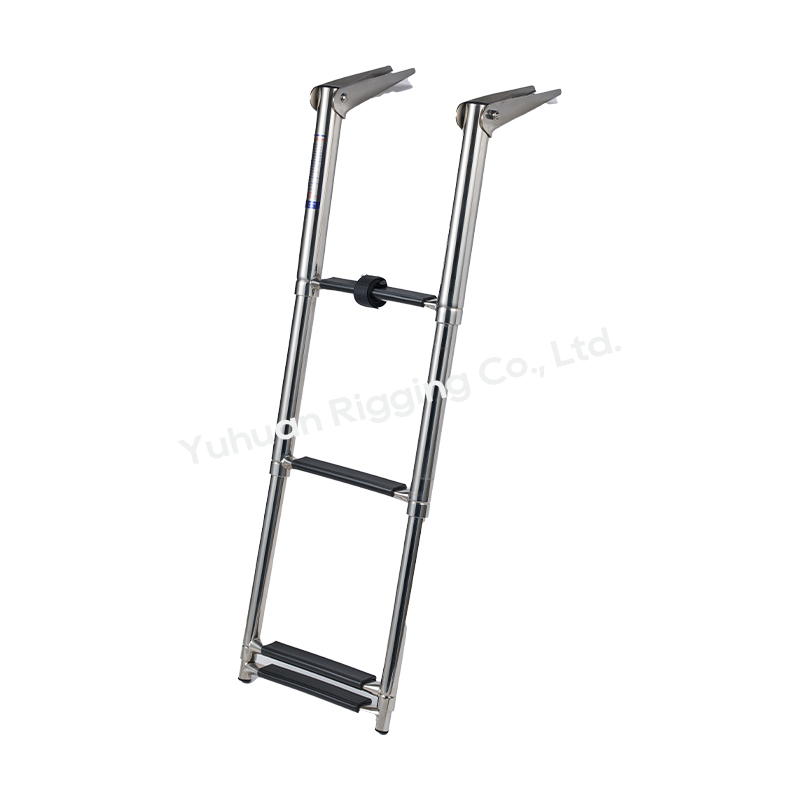
4-Step 316 Stainless Steel Telescopic Boat Boarding Ladder offers a secure and convenient way to board your boat after swimming, diving, or docking. The four-step telescopic structure provides extra c...
See Details

Copyright © Yuhuan Rigging Co., Ltd. All Rights Reserved.
Boat Fittings
