 English
 中文简体
 عربى
Designed for vessel platform boarding, this telescopic ladder combines convenience and safety – essential for yachts, fishing boats, and workboats.Material: Polished SS316 – corrosion‑resistant, thick...
See Details
Where a Foldable Boat Docking Platform Carries Its Load?
Published on 11 13, 2026

Every kilogram a person puts on the outer edge of a Foldable Boat Docking Platform is multiplied by the depth of the platform before it reaches the transom. Statics settles this without any testing: the turning moment at the hull equals the load times its distance from the pivot. A platform that is twice as deep, carrying the same person at the same edge, doubles the moment on the hinge pins and on the fasteners that hold the hinge base to the hull.
The Lever Arm Sits Behind the Platform
The usual folding design has a hinge base fixed to the transom and a hinge arm joining it to the platform, so the platform swings up against the transom for stowage and down to level for use. On a Foldable Boat Docking Platform, every load on the deck travels through the arm, the pivot and the base before the hull takes it.
That path explains why the hull skin matters as much as the platform. A hinge base is small next to the laminate or plate behind it, and through-bolts with backing plates spread the pull over a wider area of the hull. When the same Swim Platform is fitted to a boat with a thinner transom, the backing plate is the part that changes, not the platform.
Metals That Share a Wet Joint
A typical deck is aluminium, fibreglass or teak, and the hinge arms and fasteners are stainless steel. Grade 316 contains molybdenum, which gives it better resistance to chloride pitting than 304, and that is why it is the usual choice for parts that sit in spray or seawater.
Pairing aluminium with stainless creates another issue. In seawater, aluminium is the less noble metal, so where the two touch it gives up material to the stainless. Isolating washers, sleeves and sealant interrupt that contact, and a fastener that passes through an aluminium deck is treated as a galvanic joint and not as a plain bolt. Fresh water is much gentler, but a Foldable Boat Docking Platform that moves between lakes and the coast needs the same details.
Pins, Stays and Wear
The pivots are where a folding platform ages. Each fold and each step loads the pin against the bore it turns in, and the pressure on that contact is the load divided by the pin's diameter and length. A larger pin spreads the same load over more surface, so wear at the pivot slows. A stay or locking pin holds the platform level when deployed, which keeps it from folding under a person's weight, and the stay is sized for the same moment as the hinge arm.
The deck surface carries its own requirements. Wet footing calls for a non-skid finish, whether moulded into fibreglass, applied over aluminium or cut as grooves into teak boards. A Foldable Boat Docking Platform is stepped on by wet feet far more often than dry ones, and a Swim Platform with a smooth deck is slippery from the moment it is wet.
Clearance Around the Engine
An outboard has to tilt and steer, and a Foldable Boat Docking Platform, stowed or deployed, cannot sit in the path of either movement. Platform depth, bracket length and the position of the pivot are chosen against the engine's full tilt and lock-to-lock steering travel. The folded platform adds thickness at the transom as well, so it counts against the clearance as well as the deployed one.
Depth also decides what the platform is used for. A shallow deck serves as a step between the water and the cockpit. A deeper deck serves as a dive and sunning area, and its hinge arms and fasteners carry the larger moment described at the top of this piece.
Transom Shape Changes the Bracket
Transoms are not always vertical. On an angled or sloped transom, the hinge base of a Foldable Boat Docking Platform bolted flat to the hull would tilt the pivot axis, and the platform would lean to one side or fail to sit level when folded. Brackets for these hulls carry a wedge or spacer so the pivot stays horizontal, and the arm length is set to match.
Platform depth, deck material, bracket length, arm material and finish can be adjusted on order, and each choice changes either the moment on the hull or the clearance around the drive. For a Foldable Boat Docking Platform the drawing starts from the transom angle and the engine, and the platform is sized around them.
Related products
-
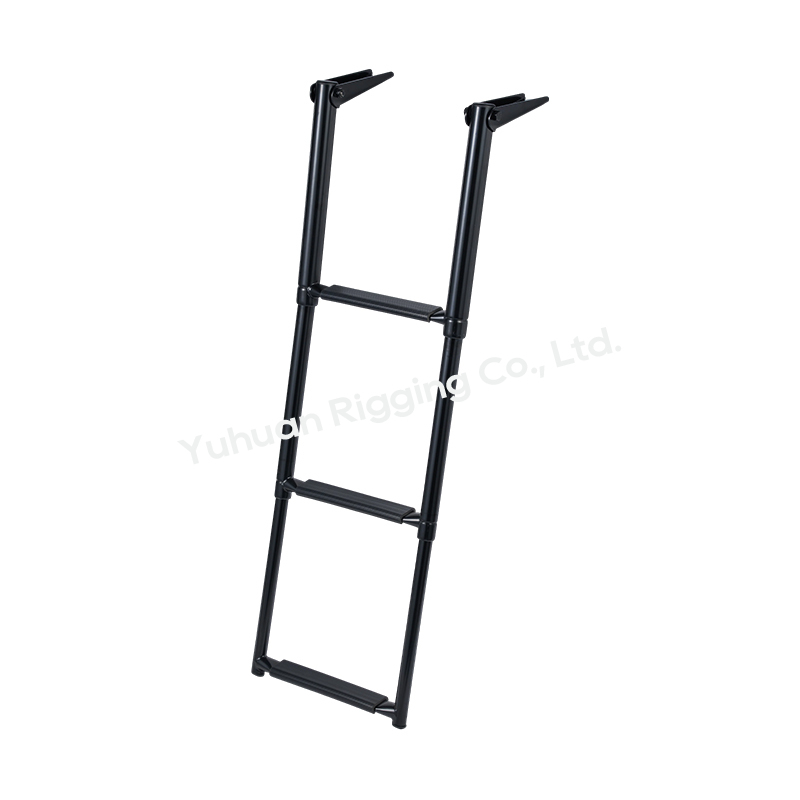
-
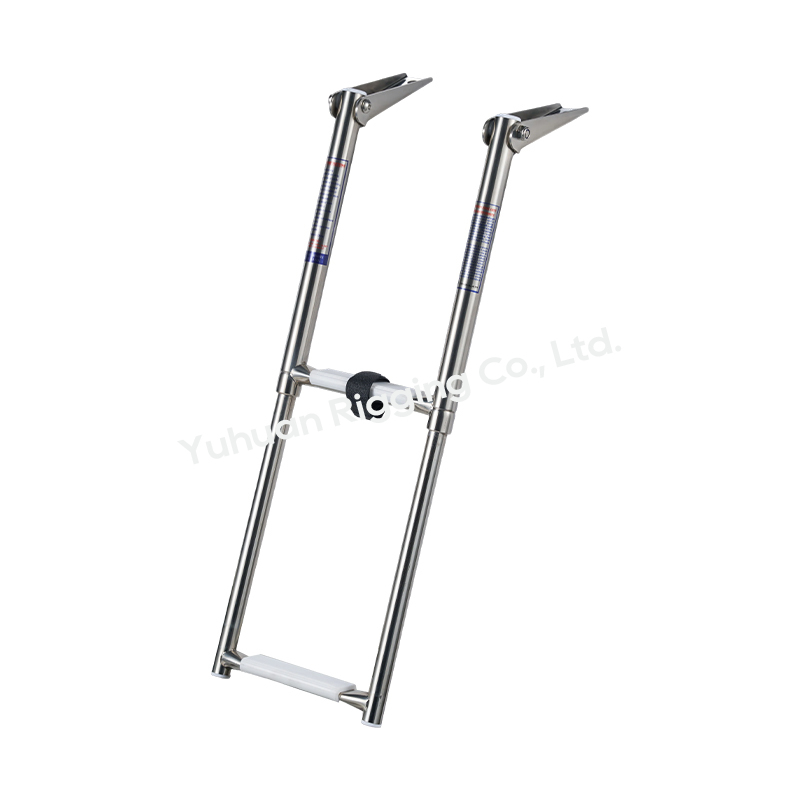
Compact and easy to install, this 2‑step ladder is a practical boarding solution for small yachts, bass boats, and fishing vessels – great value.Material: Marine‑grade stainless steel – rust‑proof and...
See Details -
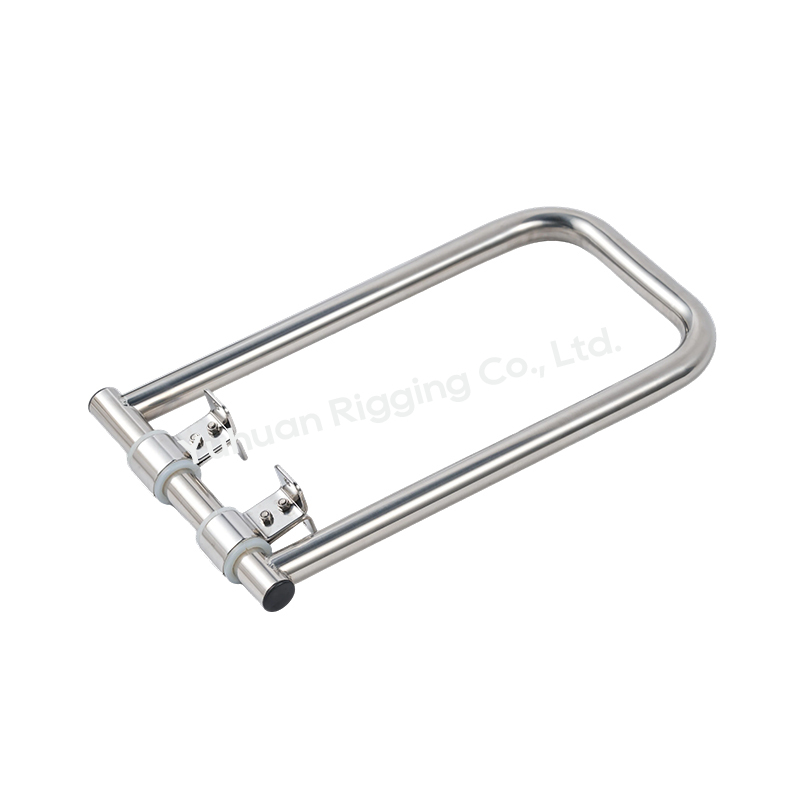
2-Step Fold Down Swim Ladder for Boats and Yachts features a compact fold-down style and high-polished AISI 316 stainless steel construction. The strong tubular frame provides dependable support, whil...
See Details -
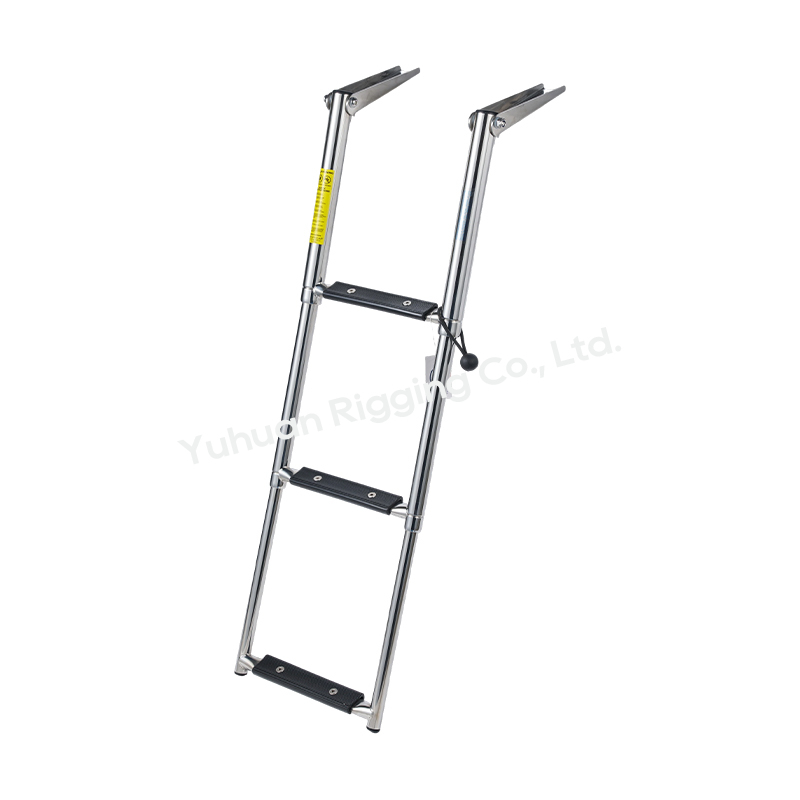
Sturdy and easy to mount, this 3‑step ladder suits small to medium yachts, fishing boats, and speedboats – a versatile boarding solution.Material: Polished marine stainless steel – resists salt spray ...
See Details -
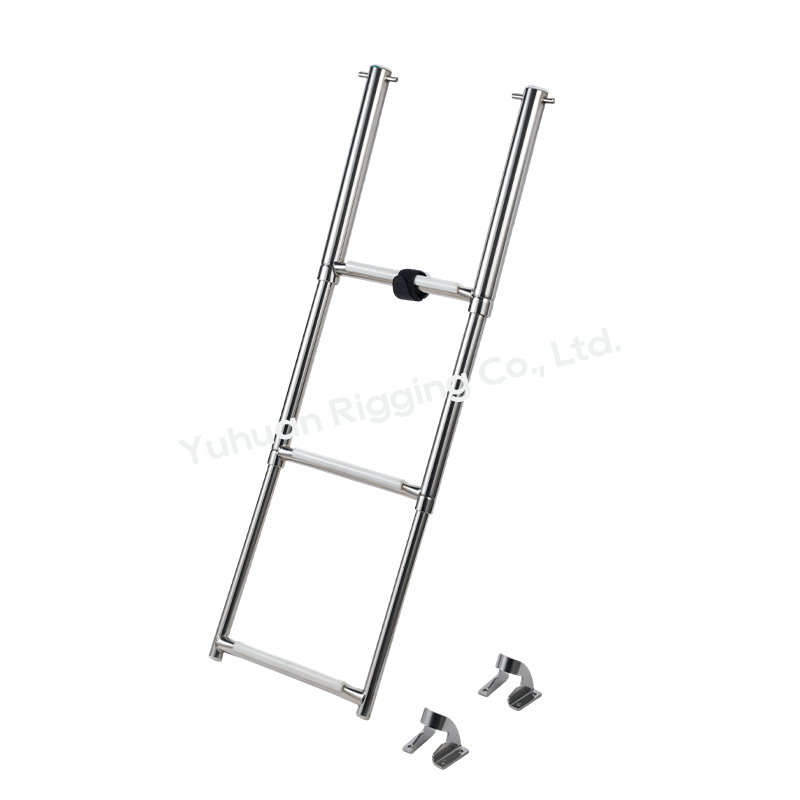
Marine Grade 316 Stainless Steel Telescopic Boat Ladder 254 mm x 875 mm offers a compact boarding solution with a smooth sliding extension system that moves in and out of the water without resistance....
See Details -
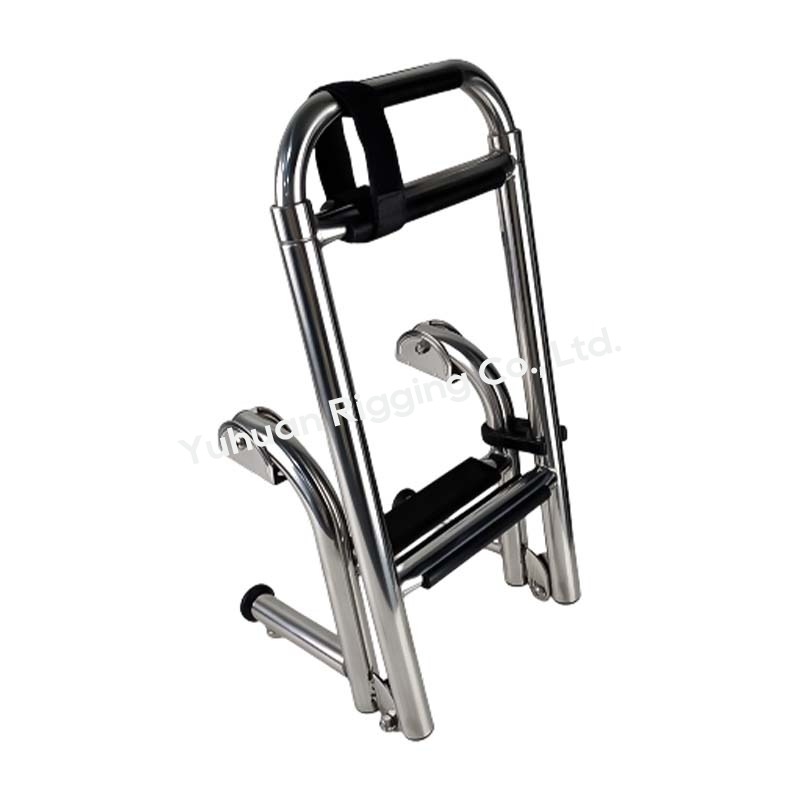
This Marine SS316 3-Step Folding Boat Boarding Ladder is designed for safe and convenient boarding on yachts, fishing boats, speedboats, and other recreational vessels. Made from marine-grade 316 stai...
See Details -
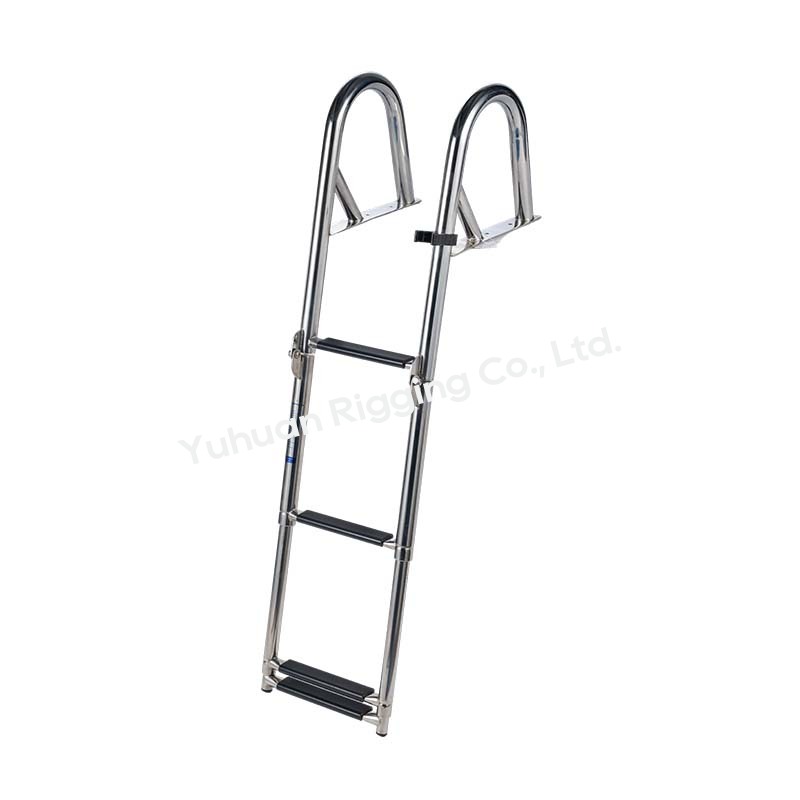
This Marine SS316 3-Step Recessed Telescopic Boat Ladder combines a compact storage design with dependable boarding performance for a wide range of marine applications. Built from marine-grade 316 sta...
See Details -
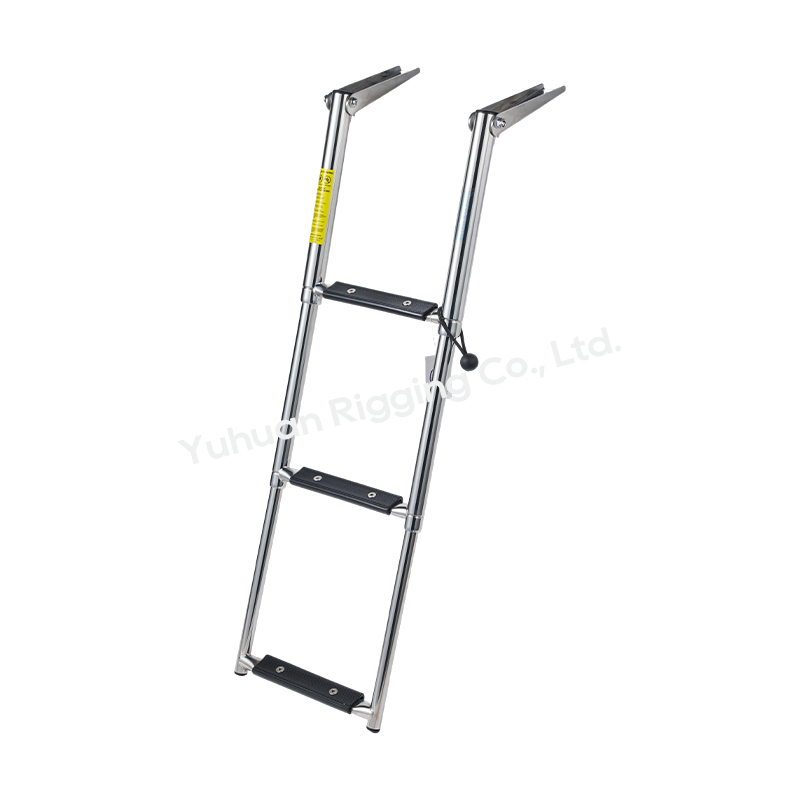
This Marine SS316 3-Step Telescopic Boat Boarding Ladder is designed for convenient boarding and water access on yachts, fishing boats, pontoons, and recreational vessels. Manufactured from marine-gra...
See Details -
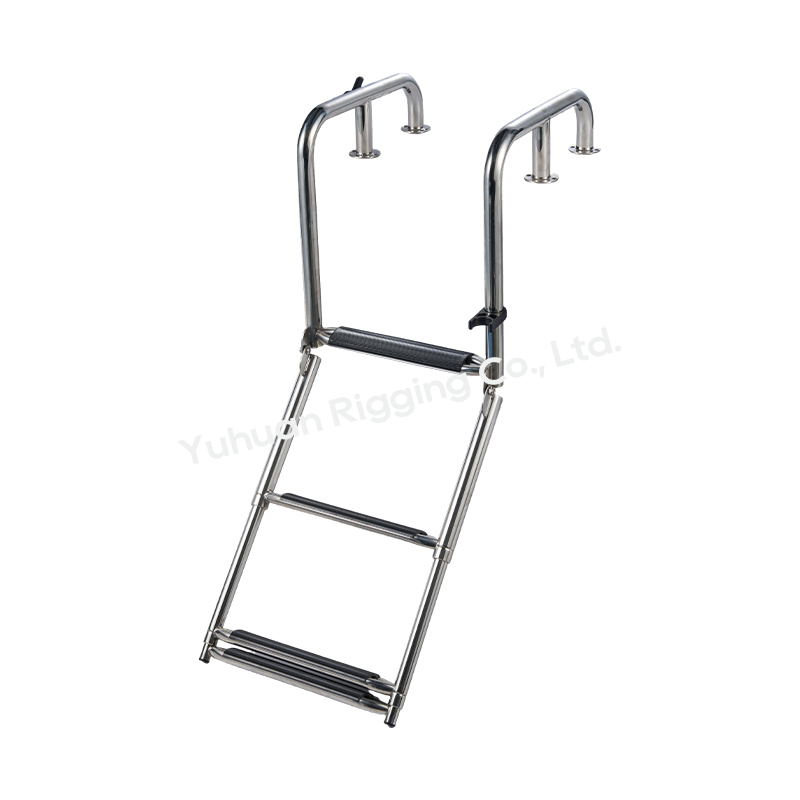
370mm Stainless Steel Telescopic Swim Platform Ladder combines a space-saving telescopic structure with integrated handrails, making boarding safer and more comfortable. Available in 3, 4, and 5-step ...
See Details -
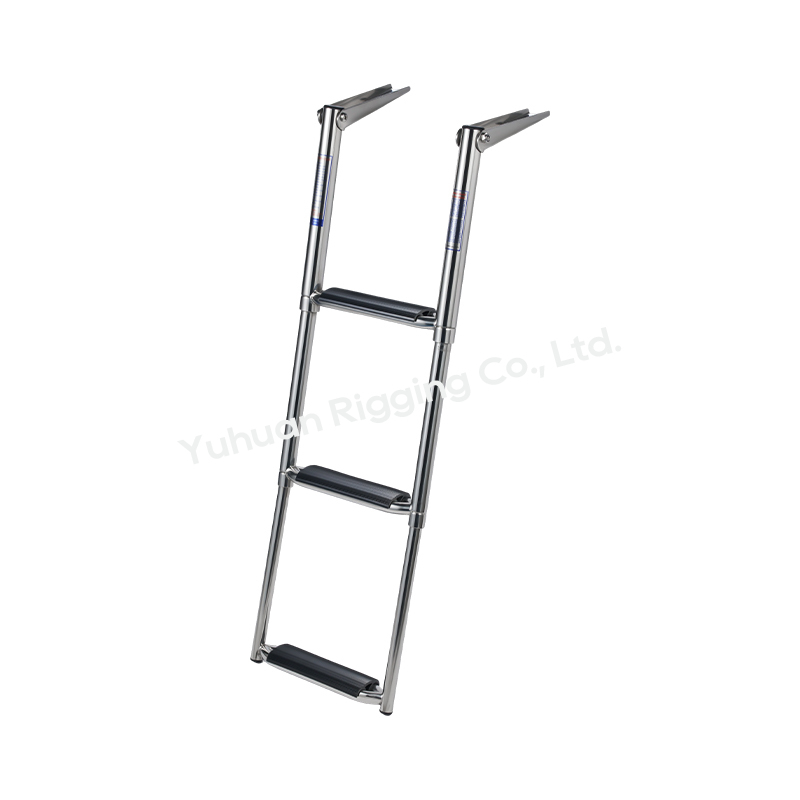
254mm Stainless Steel Telescopic Swim Platform Ladder features a compact three-step telescopic structure. The heavy-duty stainless steel frame offers excellent strength and stability, while the wide a...
See Details -
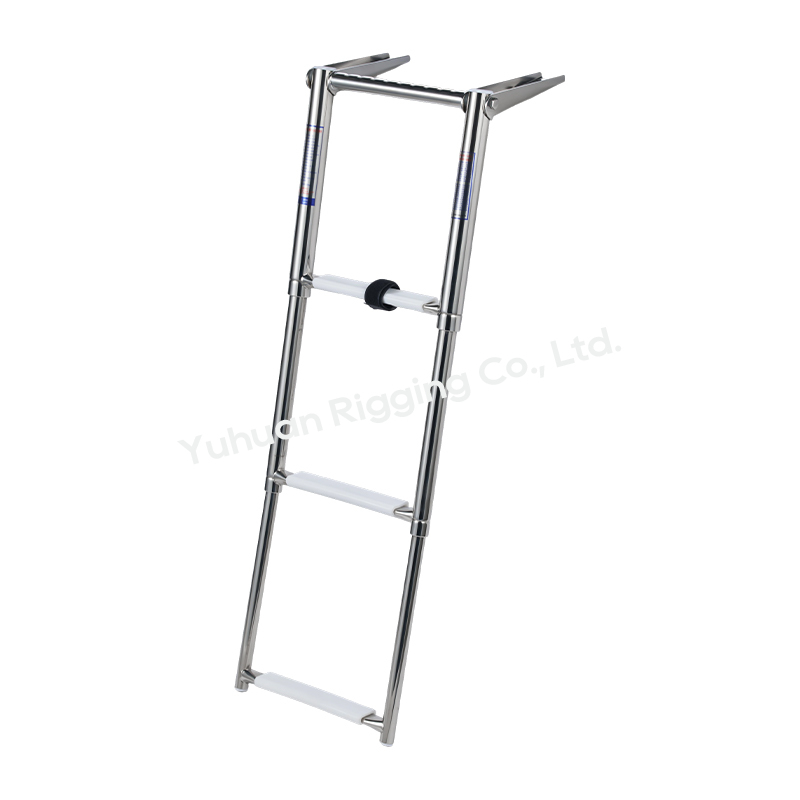
2-4 Steps Stainless Steel Telescopic Swim Platform Ladder offers a practical boarding solution with a smooth telescopic action and a choice of 2 to 4 steps to suit different boat heights. Strong mount...
See Details -
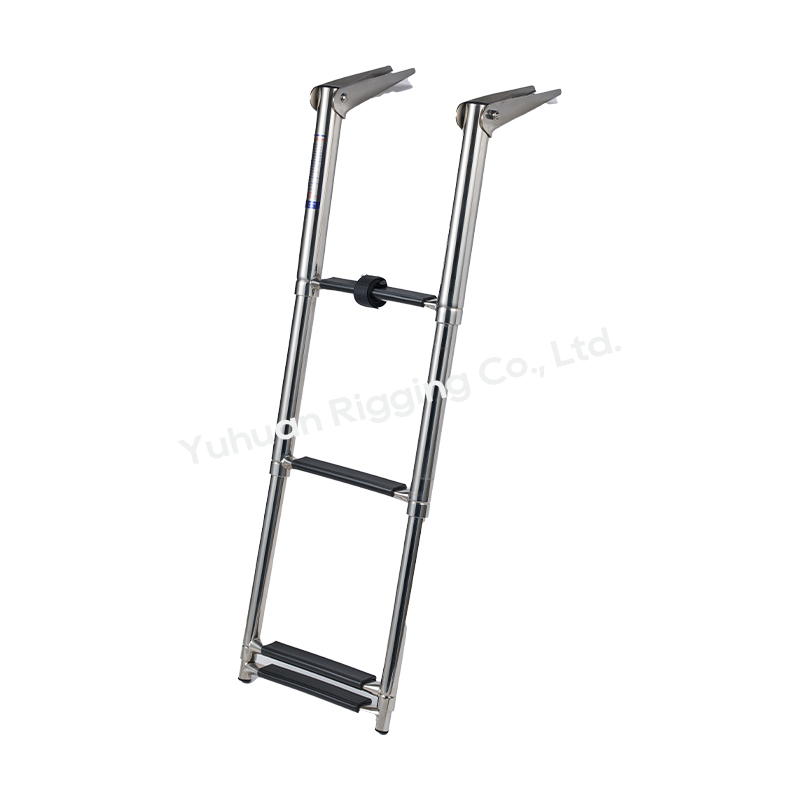
4-Step 316 Stainless Steel Telescopic Boat Boarding Ladder offers a secure and convenient way to board your boat after swimming, diving, or docking. The four-step telescopic structure provides extra c...
See Details

Copyright © Yuhuan Rigging Co., Ltd. All Rights Reserved.
Boat Fittings
