 English
 中文简体
 عربى
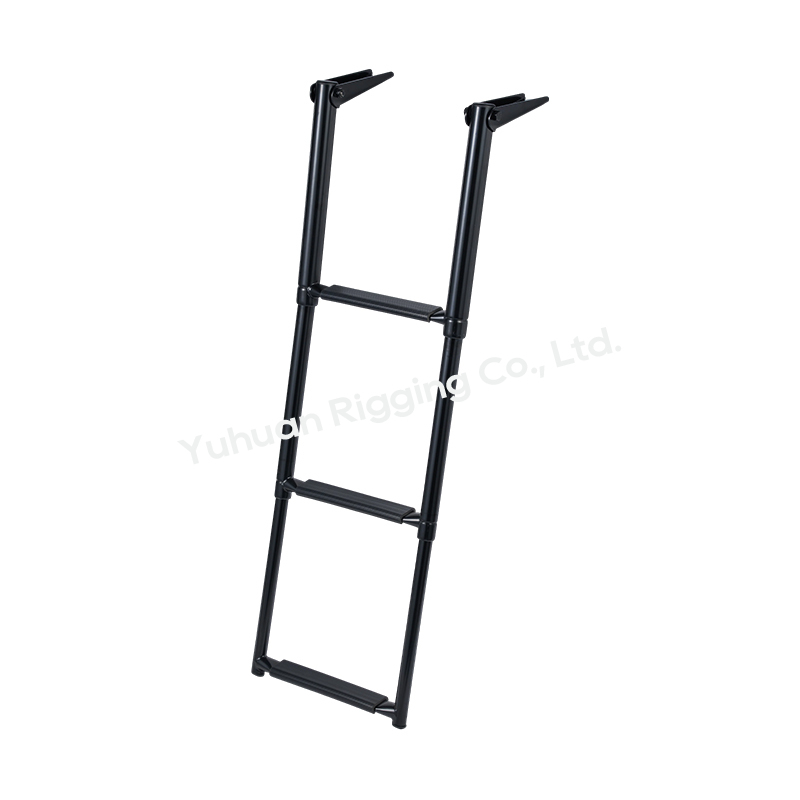
Designed for vessel platform boarding, this telescopic ladder combines convenience and safety – essential for yachts, fishing boats, and workboats.Material: Polished SS316 – corrosion‑resistant, thick...
See Details
Stainless Steel Bimini Frames: Leg Angle Sets Wind Load
Published on 10 27, 2026

A centre console boat running at 20 knots into a 10 m/s breeze feels about 20 m/s of wind, and with the canopy up, the frame behind the helm is holding a small sail. A Stainless Steel Bimini Frame is judged less on how it looks at the dock than on what it does at that moment, and the numbers show where the load goes.
Wind Force Grows With the Square of Speed
Take a canopy of 3 m², which suits a small centre console boat. Wind pressure is half the air density times the speed squared, and a flat open canopy has a drag factor of about 1.2. At 10 m/s the canopy takes roughly 220 N, about 22 kgf. At 20 m/s it takes roughly 880 N, about 90 kgf. Doubling the apparent wind quadruples the force, which is why a frame that sits quietly in a marina can feel very different at planing speed. A Stainless Steel Bimini Frame with the canopy raised carries that whole force through its legs. Buyers who sell stainless steel bimini frames to owners of fast boats should ask how the frame is meant to be used at speed.
Leg Angle Splits the Load Between Tube and Deck
The product page describes an angled support leg design that improves load distribution and helps keep the frame stable under wind pressure. The angle matters because the leg turns a sideways wind force into two parts: a push along the tube and a vertical load on the deck mount. Assume two angled legs share a horizontal force of 441 N, half of the 880 N above.
| Leg angle from deck | Force along each leg | Vertical load on each mount |
|---|---|---|
| 30° | about 52 kgf | about 26 kgf |
| 45° | about 64 kgf | about 45 kgf |
| 60° | about 90 kgf | about 78 kgf |
A flatter leg gives a smaller force in the tube and a smaller pull on the deck fitting, but it takes more room in the cockpit. A steeper leg is tidier but loads the mount harder. This is a simplified view, since the bow frame also carries part of the wind, but it shows why the angle is something to settle with the boat's deck drawing, and why every Stainless Steel Bimini Frame with angled legs is a trade-off between cockpit room and mount load. A stainless steel boat bimini frame with its leg angle chosen for the mounting points will keep the fitting loads lower than one copied from a different boat.
A Telescopic Bar Covers Several Beam Widths
The range includes a stainless steel adjustable telescopic roll bar. For a distributor, the adjustment is an inventory question. Suppose the boats in a market have beams between 1.8 m and 2.4 m in steps of 10 cm. Fixed-length frames would need seven versions of the same item. A telescopic bar with an adjustment range of 60 cm covers all seven with one, and the shelf, the catalogue and the packaging shrink with it. The place to check on any telescopic frame is the locking joint, because that is where the wind load crosses from one tube to the next. A Stainless Steel Bimini Frame with a telescopic section should state its clamp type, and the adjustment range of the real model should be confirmed before the stock plan is built around it.
Inflatable Boats Change the Mounting Question
The page also lists an SS316 marine-grade roll bar for inflatable boats. An inflatable cannot take screws through its tubes, so the bar has to stand on the rigid floor or the transom and spread its load there. The leg arithmetic still applies to a Stainless Steel Bimini Frame on an inflatable, but the mounting plate, rather than the tube, usually decides how much load the boat can accept. The listed frames use a treated surface and marine-grade stainless steel to handle salt spray and sun. Whether a given model is 304 or 316 can differ, and the SS316 label appears on the inflatable boat model, so the grade of any other frame should be confirmed.
Yuhuan Rigging Co., Ltd. has made stainless steel marine hardware since 1997 and exports mainly to Europe and America. Its sunshade frames are offered as custom work, so the tube length, leg angle and fitting positions of a Stainless Steel Bimini Frame can be set from the deck drawing of the boat it is meant for. Wind load is a simple calculation, and a frame designed around it is easy to defend to the boat owner.
Related products
-
-
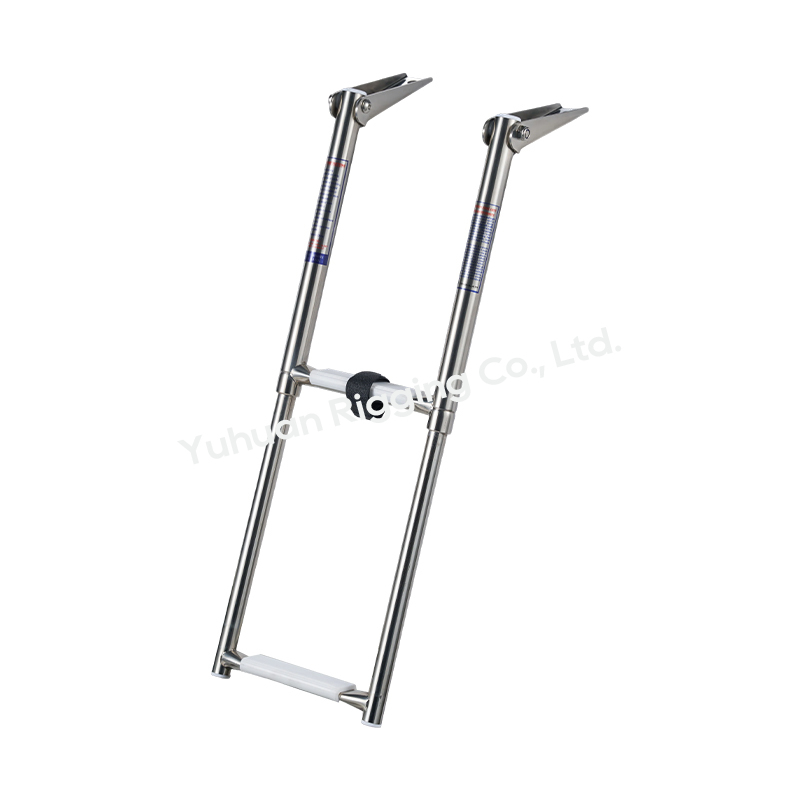
Compact and easy to install, this 2‑step ladder is a practical boarding solution for small yachts, bass boats, and fishing vessels – great value.Material: Marine‑grade stainless steel – rust‑proof and...
See Details -
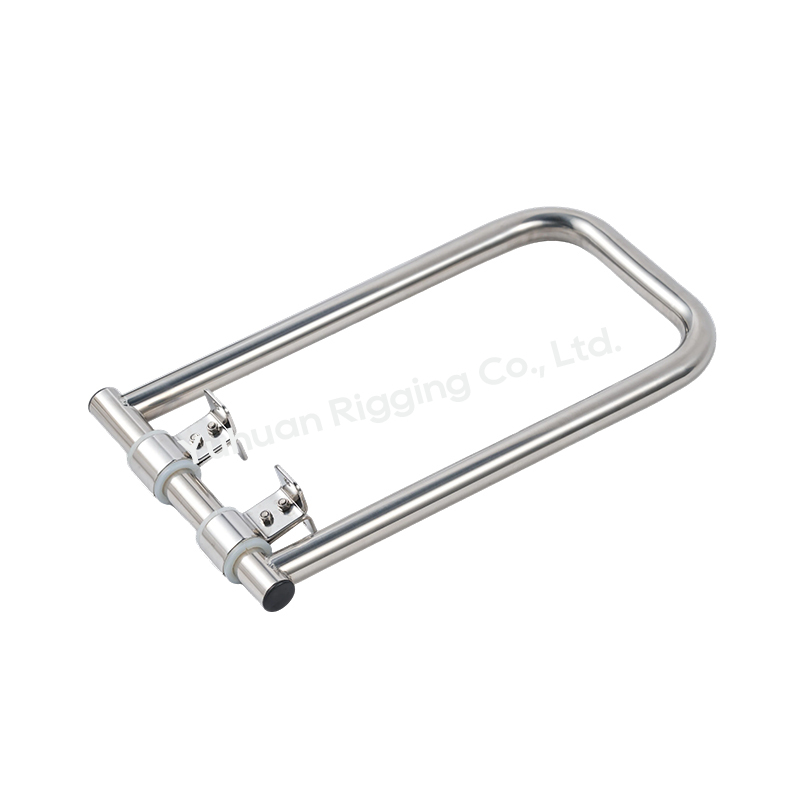
2-Step Fold Down Swim Ladder for Boats and Yachts features a compact fold-down style and high-polished AISI 316 stainless steel construction. The strong tubular frame provides dependable support, whil...
See Details -
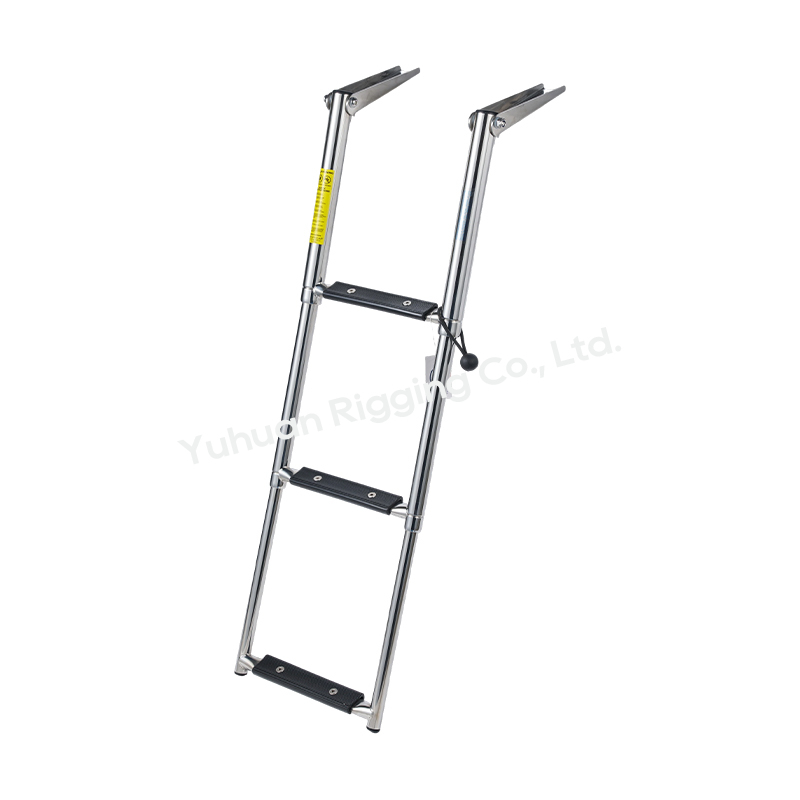
Sturdy and easy to mount, this 3‑step ladder suits small to medium yachts, fishing boats, and speedboats – a versatile boarding solution.Material: Polished marine stainless steel – resists salt spray ...
See Details -
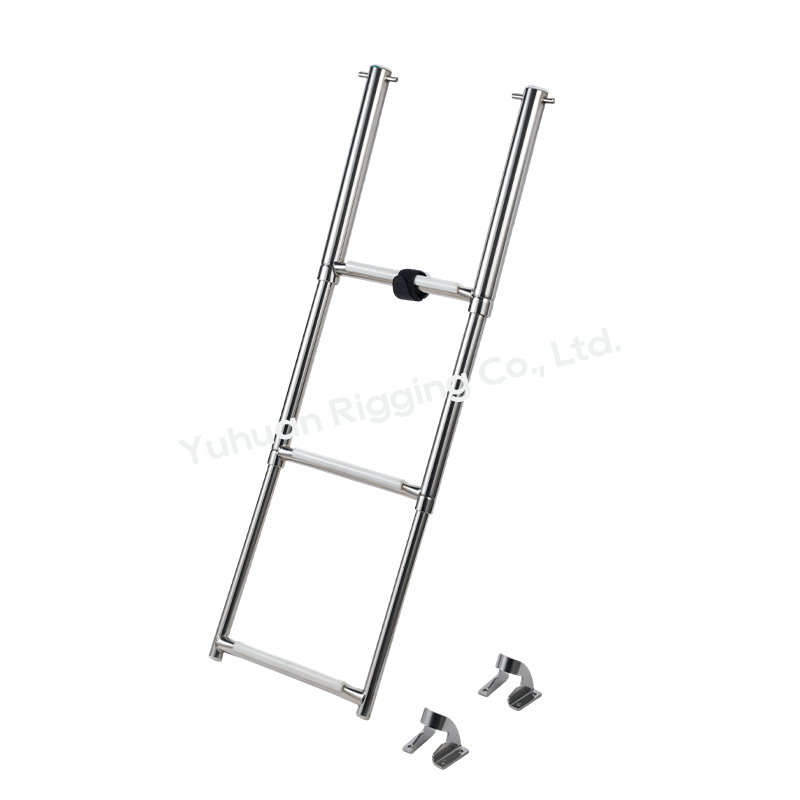
Marine Grade 316 Stainless Steel Telescopic Boat Ladder 254 mm x 875 mm offers a compact boarding solution with a smooth sliding extension system that moves in and out of the water without resistance....
See Details -
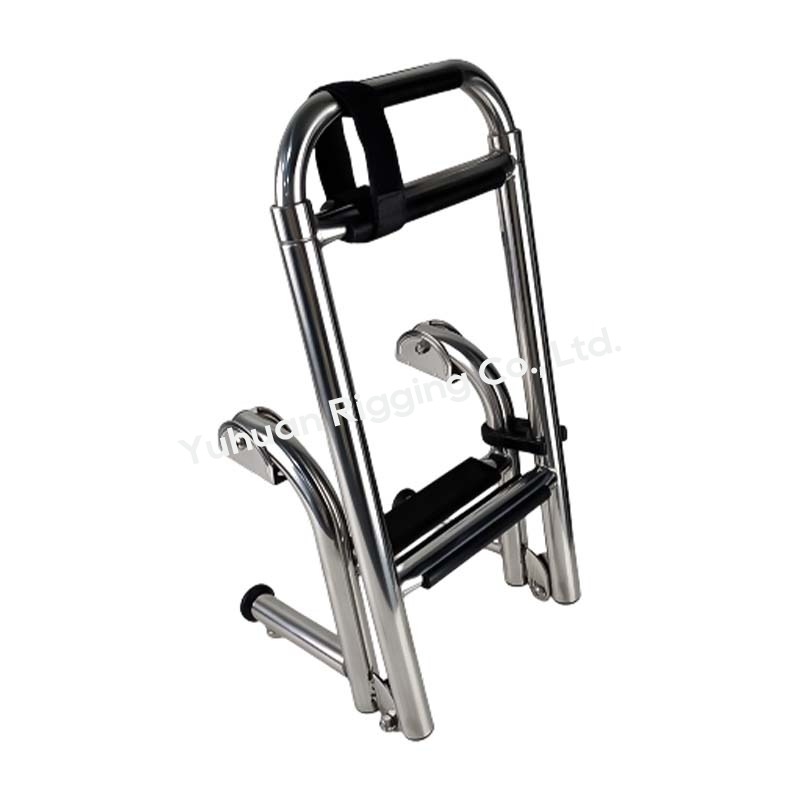
This Marine SS316 3-Step Folding Boat Boarding Ladder is designed for safe and convenient boarding on yachts, fishing boats, speedboats, and other recreational vessels. Made from marine-grade 316 stai...
See Details -
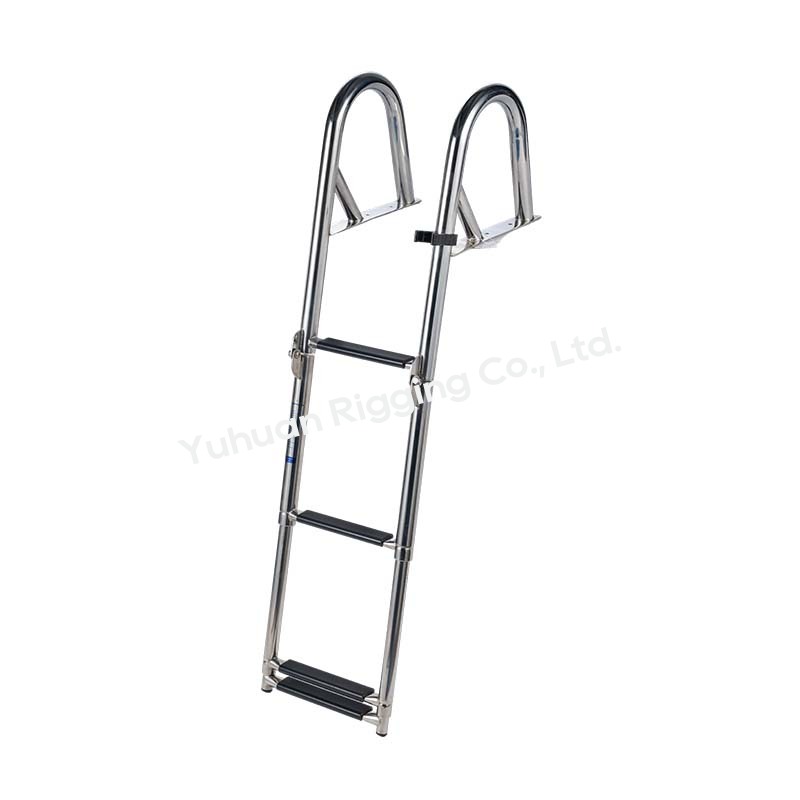
This Marine SS316 3-Step Recessed Telescopic Boat Ladder combines a compact storage design with dependable boarding performance for a wide range of marine applications. Built from marine-grade 316 sta...
See Details -
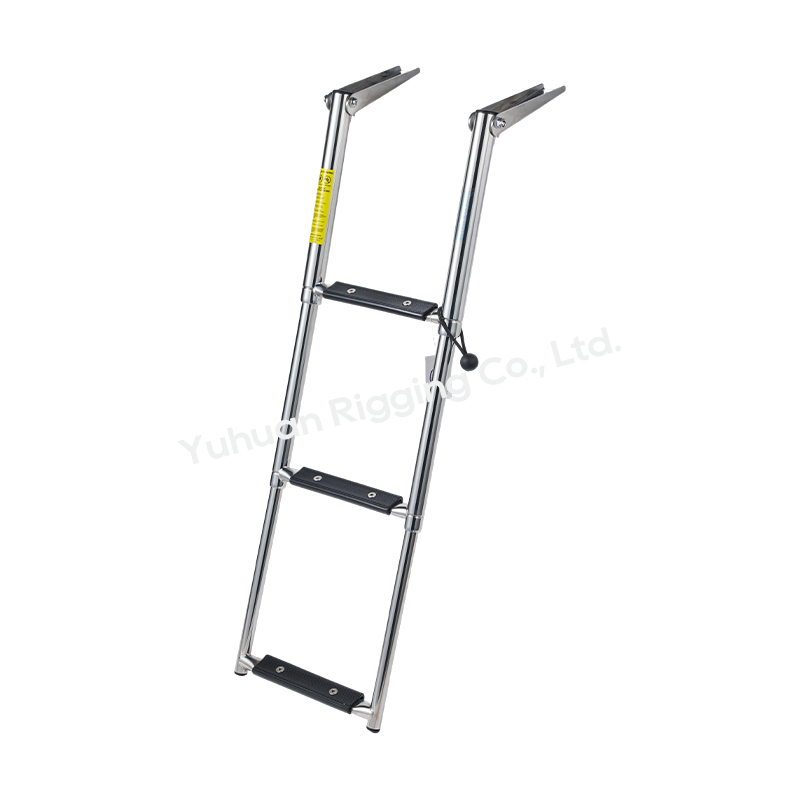
This Marine SS316 3-Step Telescopic Boat Boarding Ladder is designed for convenient boarding and water access on yachts, fishing boats, pontoons, and recreational vessels. Manufactured from marine-gra...
See Details -
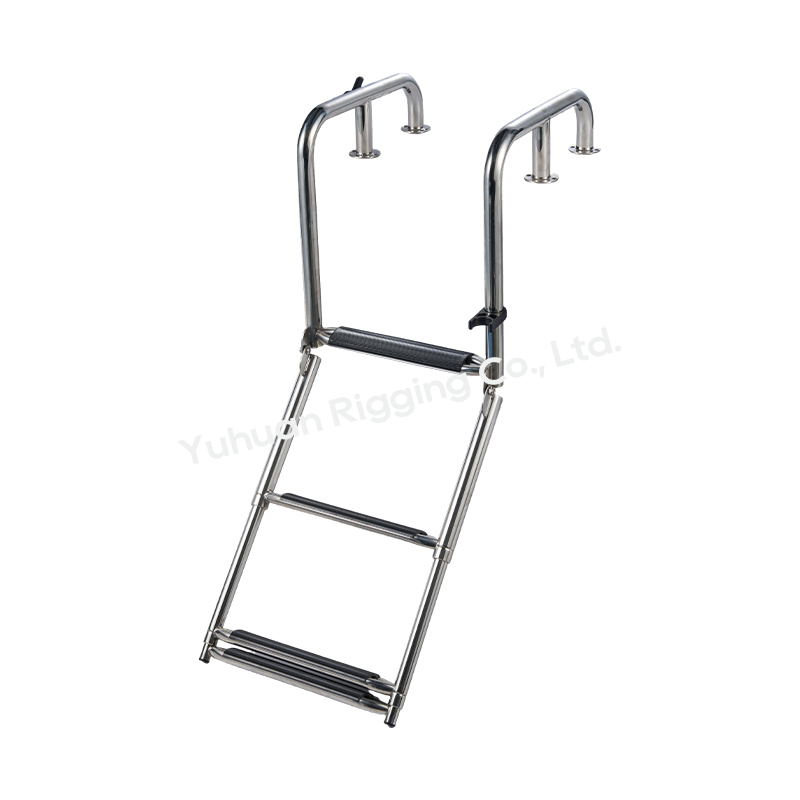
370mm Stainless Steel Telescopic Swim Platform Ladder combines a space-saving telescopic structure with integrated handrails, making boarding safer and more comfortable. Available in 3, 4, and 5-step ...
See Details -
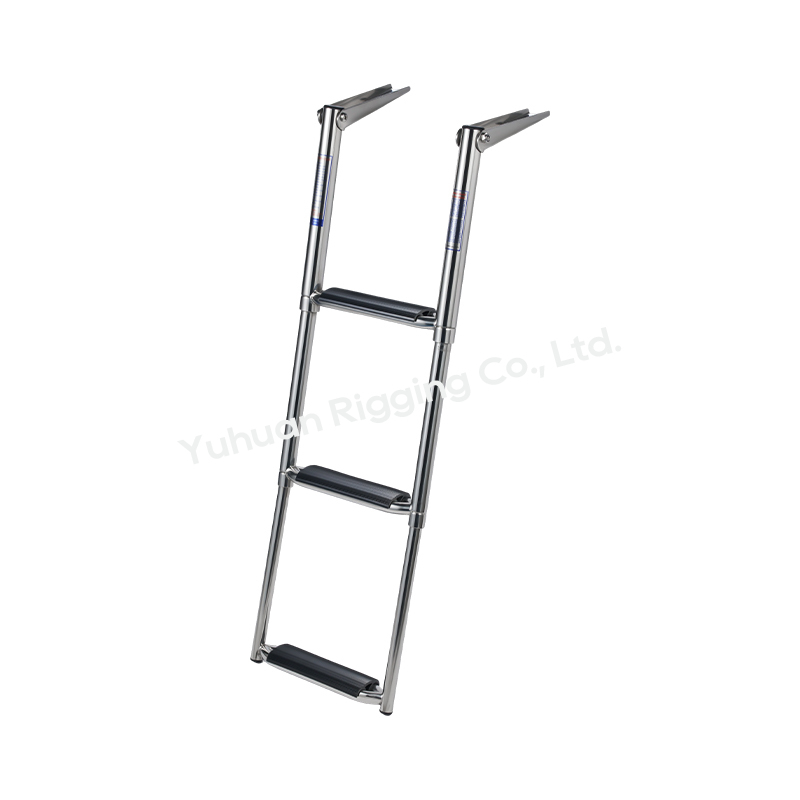
254mm Stainless Steel Telescopic Swim Platform Ladder features a compact three-step telescopic structure. The heavy-duty stainless steel frame offers excellent strength and stability, while the wide a...
See Details -
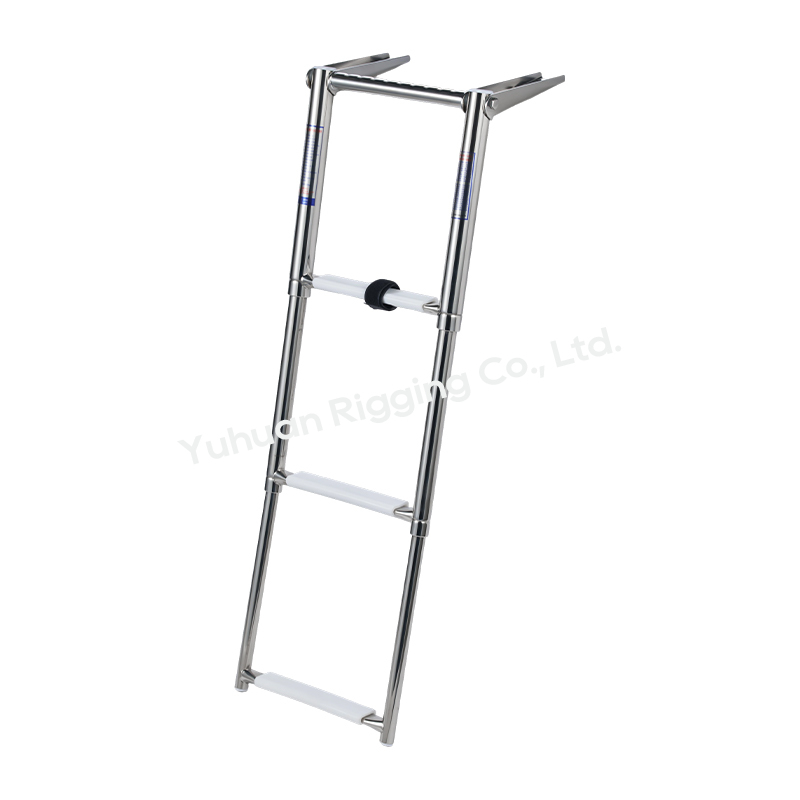
2-4 Steps Stainless Steel Telescopic Swim Platform Ladder offers a practical boarding solution with a smooth telescopic action and a choice of 2 to 4 steps to suit different boat heights. Strong mount...
See Details -
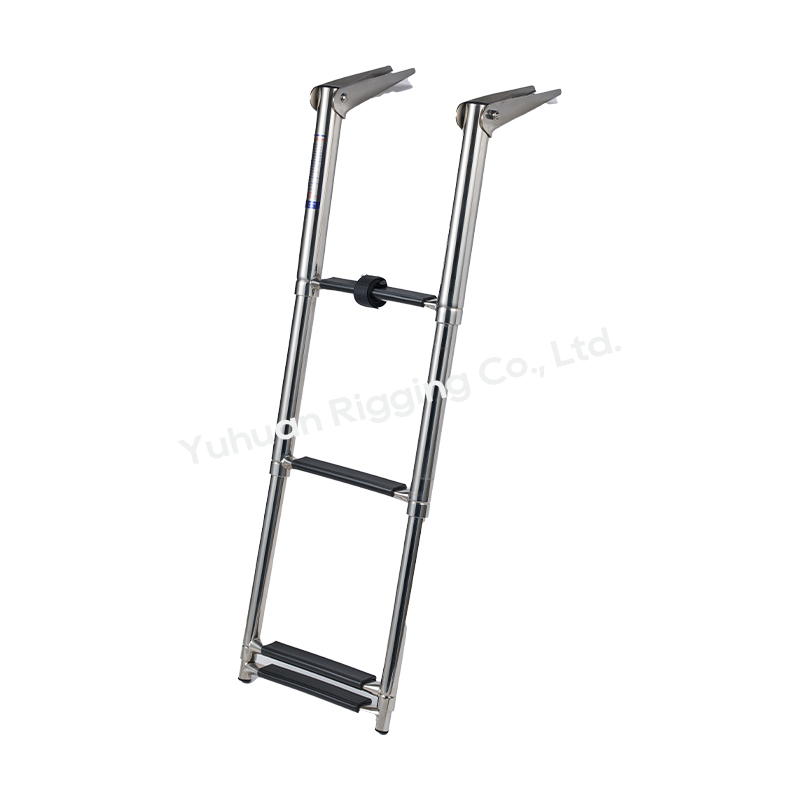
4-Step 316 Stainless Steel Telescopic Boat Boarding Ladder offers a secure and convenient way to board your boat after swimming, diving, or docking. The four-step telescopic structure provides extra c...
See Details

Copyright © Yuhuan Rigging Co., Ltd. All Rights Reserved.
Boat Fittings
