 English
 中文简体
 عربى
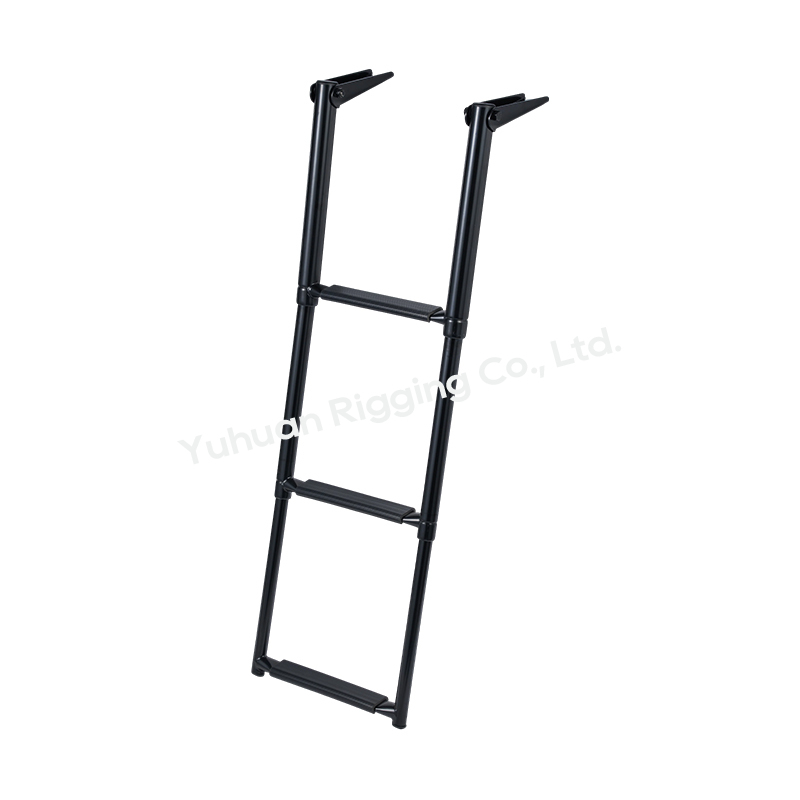
Designed for vessel platform boarding, this telescopic ladder combines convenience and safety – essential for yachts, fishing boats, and workboats.Material: Polished SS316 – corrosion‑resistant, thick...
See Details
Stainless Steel Rod Holders Multiply a Fish's Pull Tenfold
Published on 10 16, 2026

A Stainless Steel Yacht Fishing Rod Holder looks like a short tube, but under a strike it works like a lever. The fish pulls on the line at the tip of the rod, two metres or more above the holder, and the holder has to resist that pull from a tube only a few centimetres tall. The arithmetic is simple, and it explains why tube length, wall and mounting base matter more than the finish.
A Ten-Kilogram Fish Puts About 100 kgf on the Rim
Treat the rod as a stiff lever resting in the tube. If the tip is 2.0 m above the lower contact point and the two contact points inside the tube are 0.2 m apart, the force on the upper rim is the pull multiplied by 2.0 and divided by 0.2, which is ten times the pull. The twisting moment at the base is the pull multiplied by 2.0 m.
|
Line pull |
Force on the upper rim |
Moment at the mount |
|
5 kgf |
about 50 kgf |
10 kgf·m |
|
10 kgf |
about 100 kgf |
20 kgf·m |
|
20 kgf |
about 200 kgf |
40 kgf·m |
This is a simplified static picture. A sudden strike or a wave that jerks the boat adds shock to it, so the real peak is higher. The point for a boat builder is that a Stainless Steel Yacht Fishing Rod Holder is being asked to resist something ten times larger than the fish itself, whatever weight the rod is rated for.
Contact Length Divides the Load
The same lever shows what a longer tube does. With a 10 kgf pull and a 2.0 m rod, contact points 0.15 m apart push the rim load to about 133 kgf, 0.2 m gives 100 kgf, and 0.4 m gives 50 kgf. Doubling the contact length halves the rim force. That is the logic behind the 200 mm cast holder head on the product page, and behind the deeper tubes in a triple tube holder. A Stainless Steel Yacht Fishing Rod Holder with a longer, cast head spreads the load along the rod butt instead of concentrating it at one rim. Yuhuan Rigging Co., Ltd., which has made stainless steel marine hardware since 1997 and exports mainly to Europe and America, lists cast heads, triple tubes, cap styles and plastic versions in the same range, so the tube length and the base style can follow the boat's drawing.
The Rim, the Liner and the Cap
The rim is where the rod butt rubs, and a bare metal rim wears the rod finish and rattles on a moving boat. The page lists a rod holder liner for cap-style holders, which gives the butt a softer seat and keeps the noise down. The cap keeps water, salt and debris out of the tube when no rod is in it. The page describes marine-grade stainless steel for the range. Whether a particular stainless steel rod holder is 304 or 316, and what finish it carries, can differ by model, so the grade should be confirmed before a Stainless Steel Yacht Fishing Rod Holder is specified for a saltwater boat.
Mounting Decides Whether the Holder Does Its Job
The product page says the holders fit railings, gunwales and decks. On many boats the mount, not the tube, is the part that limits the load. Take the 10 kgf case with a moment of 20 kgf·m. If the base is held by two screws 100 mm apart, the pair carries that moment as a pull-out force of about 200 kgf on the screw on the loaded side. On a thin fibreglass gunwale, a plain screw into a laminate will not hold that, which is why a backing plate under the gunwale spreads the load. A yacht fishing rod holder on a rail clamps onto a tube instead, so the rail's wall thickness and its own mounting become the weak point. These details change between boats, so the base style, hole pattern and plate size of a Stainless Steel Yacht Fishing Rod Holder can be matched to the builder's drawing.
A Stainless Steel Yacht Fishing Rod Holder is specified for the load it will meet, and the lever arithmetic is the quickest way to see it. A marine fishing rod holder with a long head, a good liner and a mount that spreads the force will outlast one chosen for how the tube looks on the rail.
Related products
-
-
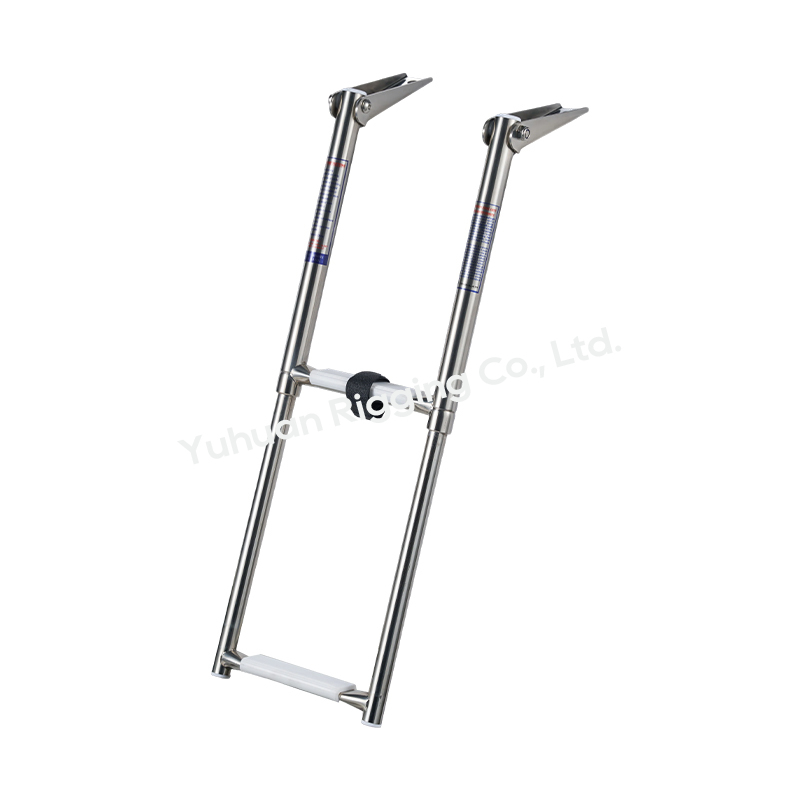
Compact and easy to install, this 2‑step ladder is a practical boarding solution for small yachts, bass boats, and fishing vessels – great value.Material: Marine‑grade stainless steel – rust‑proof and...
See Details -
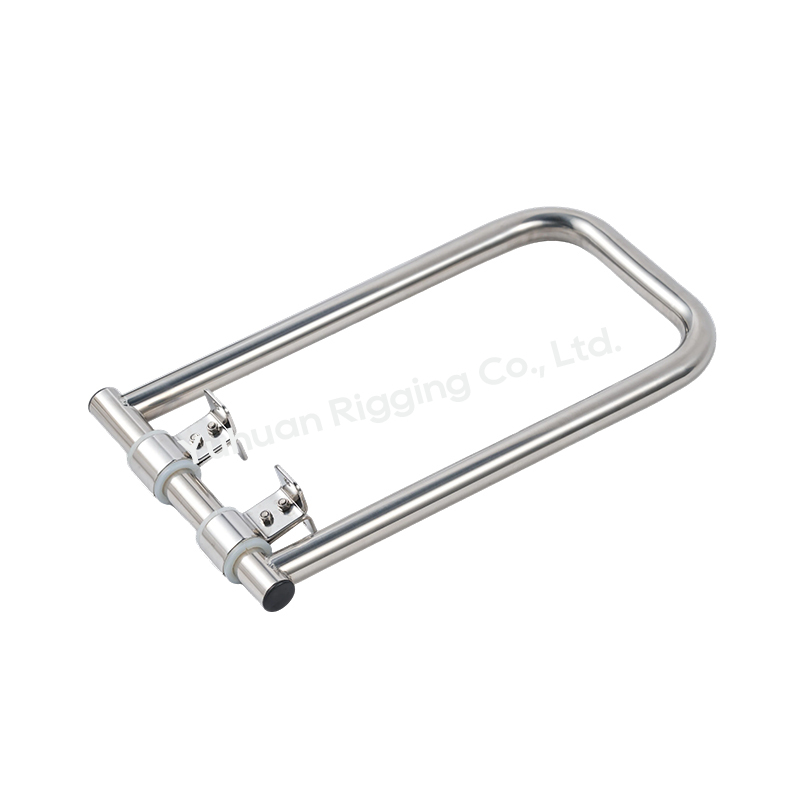
2-Step Fold Down Swim Ladder for Boats and Yachts features a compact fold-down style and high-polished AISI 316 stainless steel construction. The strong tubular frame provides dependable support, whil...
See Details -
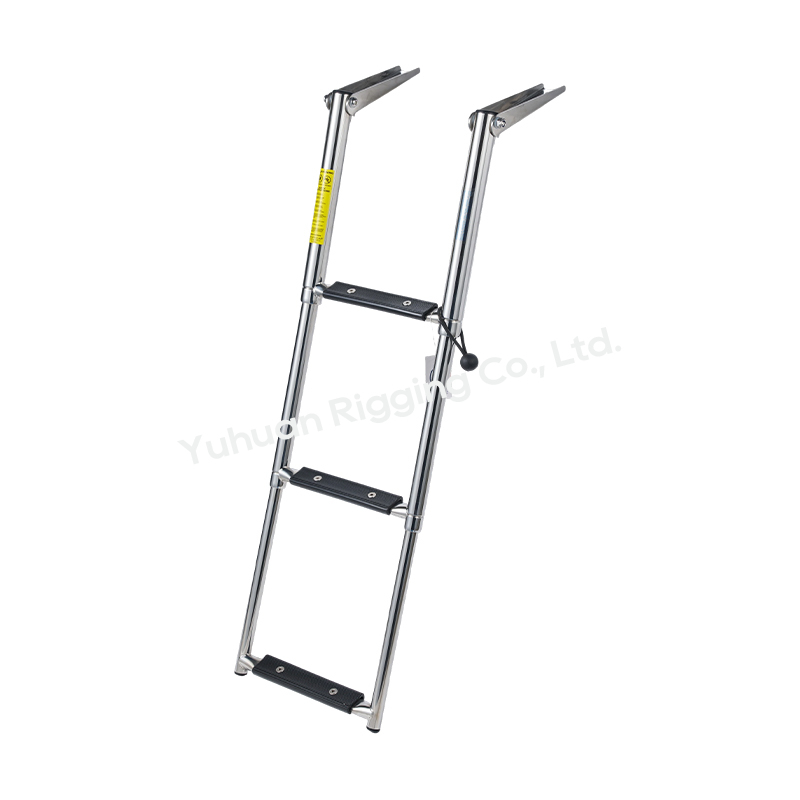
Sturdy and easy to mount, this 3‑step ladder suits small to medium yachts, fishing boats, and speedboats – a versatile boarding solution.Material: Polished marine stainless steel – resists salt spray ...
See Details -
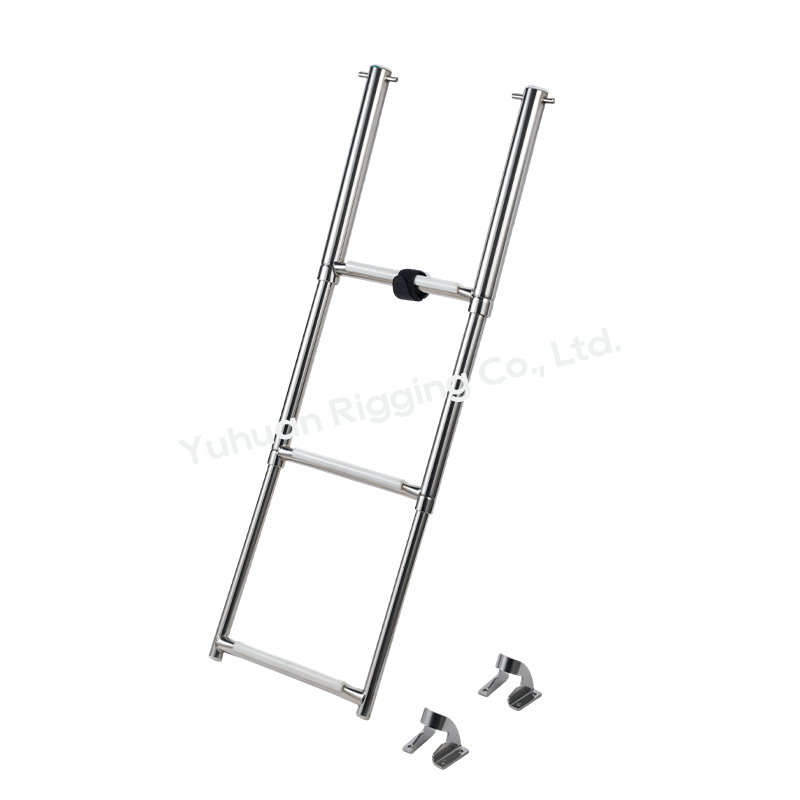
Marine Grade 316 Stainless Steel Telescopic Boat Ladder 254 mm x 875 mm offers a compact boarding solution with a smooth sliding extension system that moves in and out of the water without resistance....
See Details -
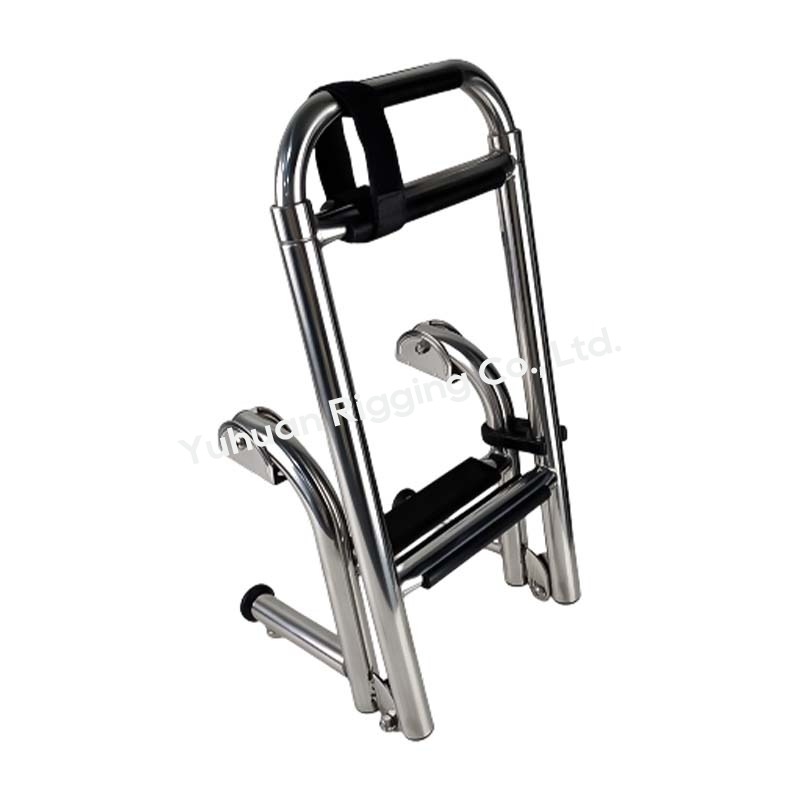
This Marine SS316 3-Step Folding Boat Boarding Ladder is designed for safe and convenient boarding on yachts, fishing boats, speedboats, and other recreational vessels. Made from marine-grade 316 stai...
See Details -
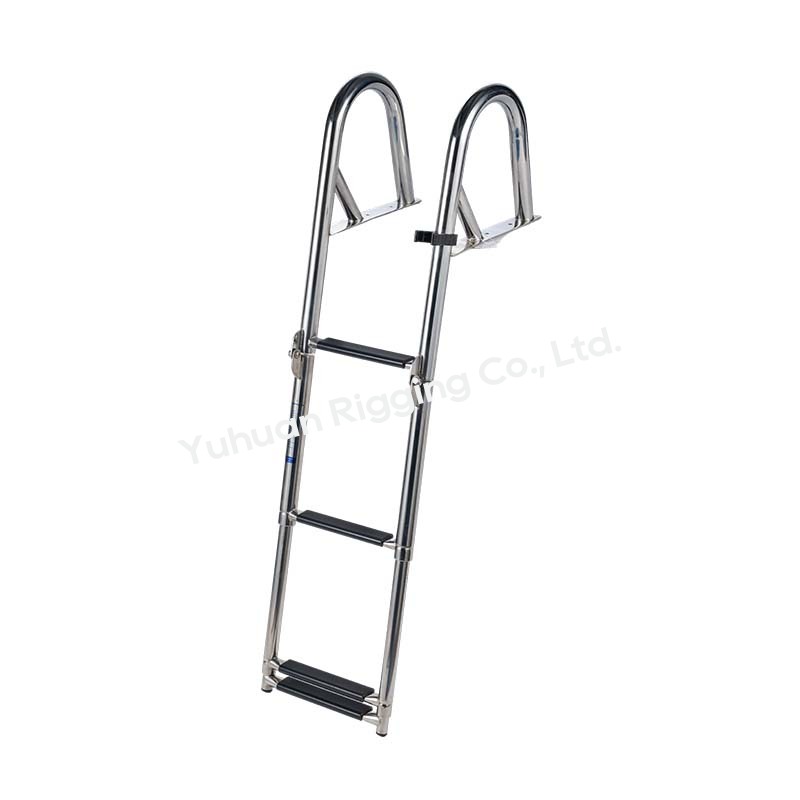
This Marine SS316 3-Step Recessed Telescopic Boat Ladder combines a compact storage design with dependable boarding performance for a wide range of marine applications. Built from marine-grade 316 sta...
See Details -
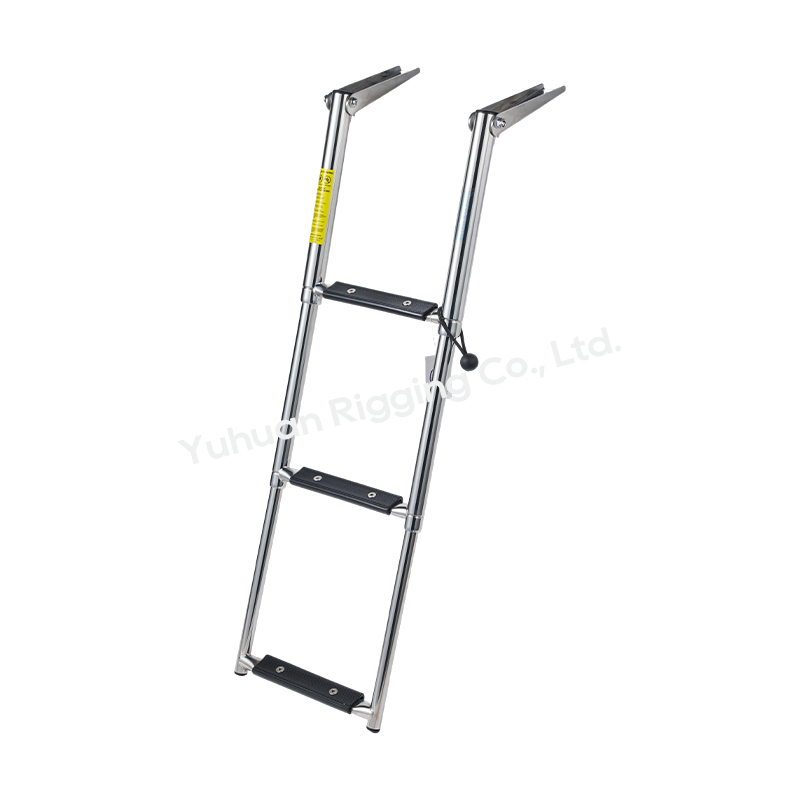
This Marine SS316 3-Step Telescopic Boat Boarding Ladder is designed for convenient boarding and water access on yachts, fishing boats, pontoons, and recreational vessels. Manufactured from marine-gra...
See Details -
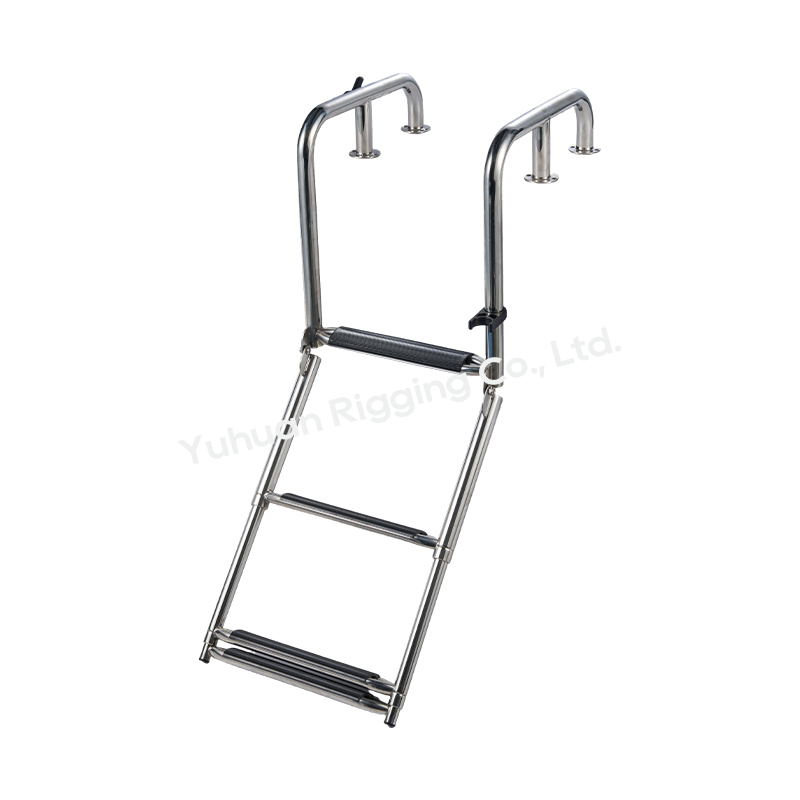
370mm Stainless Steel Telescopic Swim Platform Ladder combines a space-saving telescopic structure with integrated handrails, making boarding safer and more comfortable. Available in 3, 4, and 5-step ...
See Details -
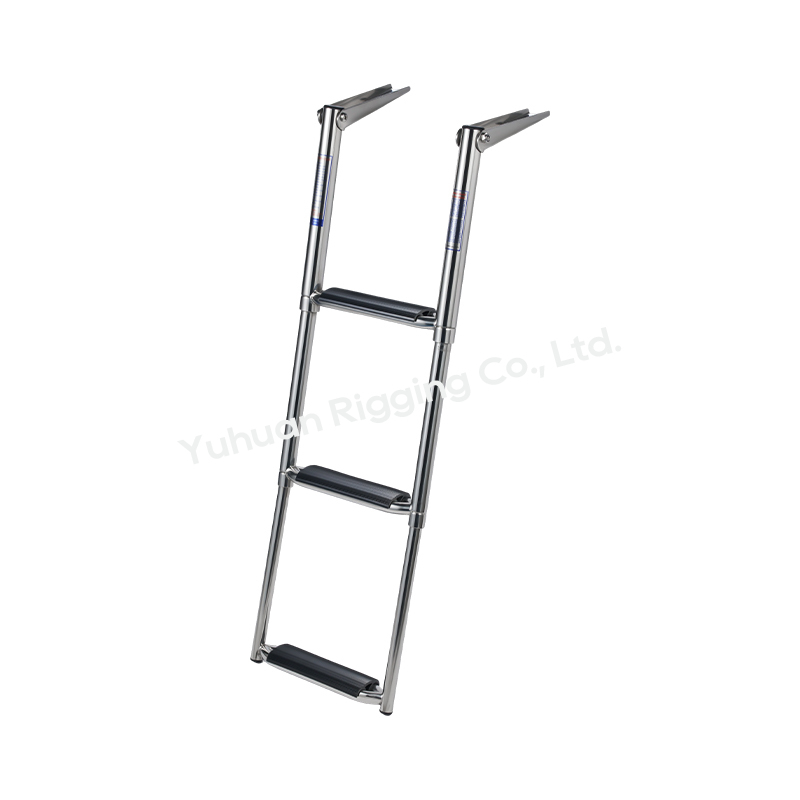
254mm Stainless Steel Telescopic Swim Platform Ladder features a compact three-step telescopic structure. The heavy-duty stainless steel frame offers excellent strength and stability, while the wide a...
See Details -
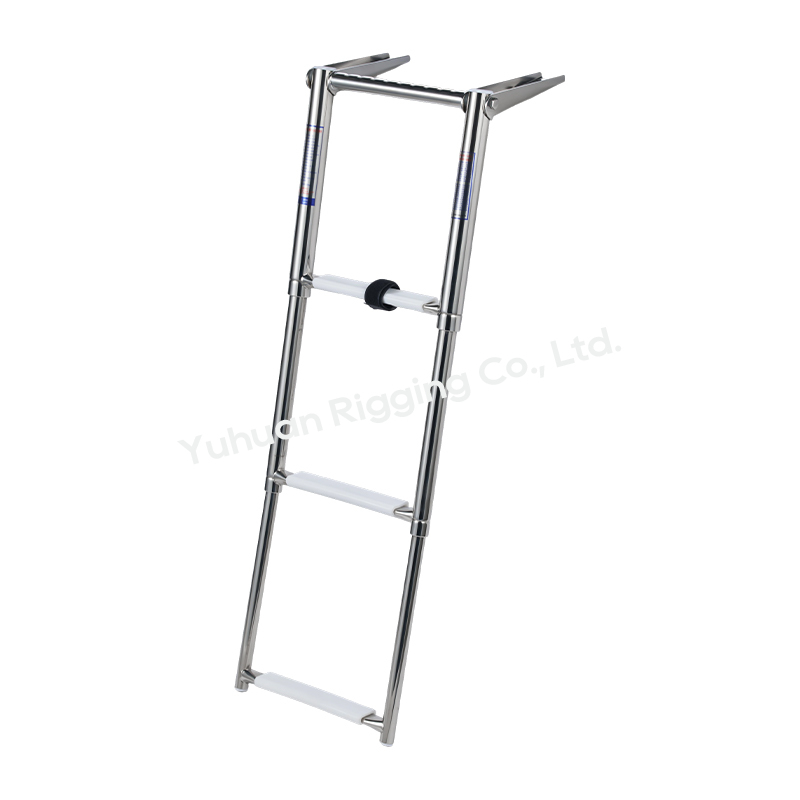
2-4 Steps Stainless Steel Telescopic Swim Platform Ladder offers a practical boarding solution with a smooth telescopic action and a choice of 2 to 4 steps to suit different boat heights. Strong mount...
See Details -
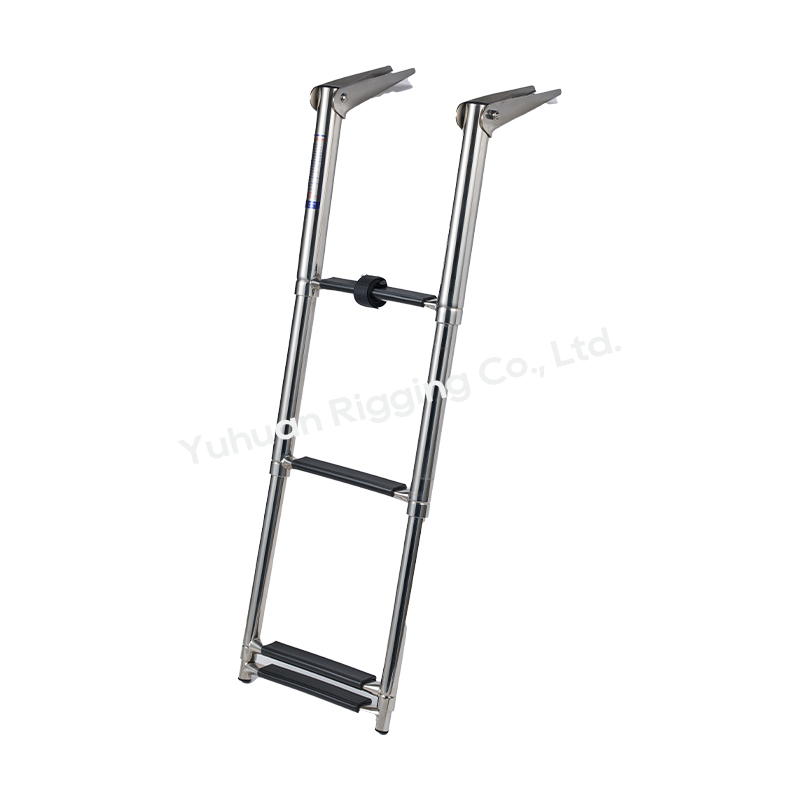
4-Step 316 Stainless Steel Telescopic Boat Boarding Ladder offers a secure and convenient way to board your boat after swimming, diving, or docking. The four-step telescopic structure provides extra c...
See Details

Copyright © Yuhuan Rigging Co., Ltd. All Rights Reserved.
Boat Fittings
