 English
 中文简体
 عربى
Designed for vessel platform boarding, this telescopic ladder combines convenience and safety – essential for yachts, fishing boats, and workboats.Material: Polished SS316 – corrosion‑resistant, thick...
See Details
Marine Flag Poles Fit Into Integrated Yacht Deck Systems
Published on 10 09, 2026
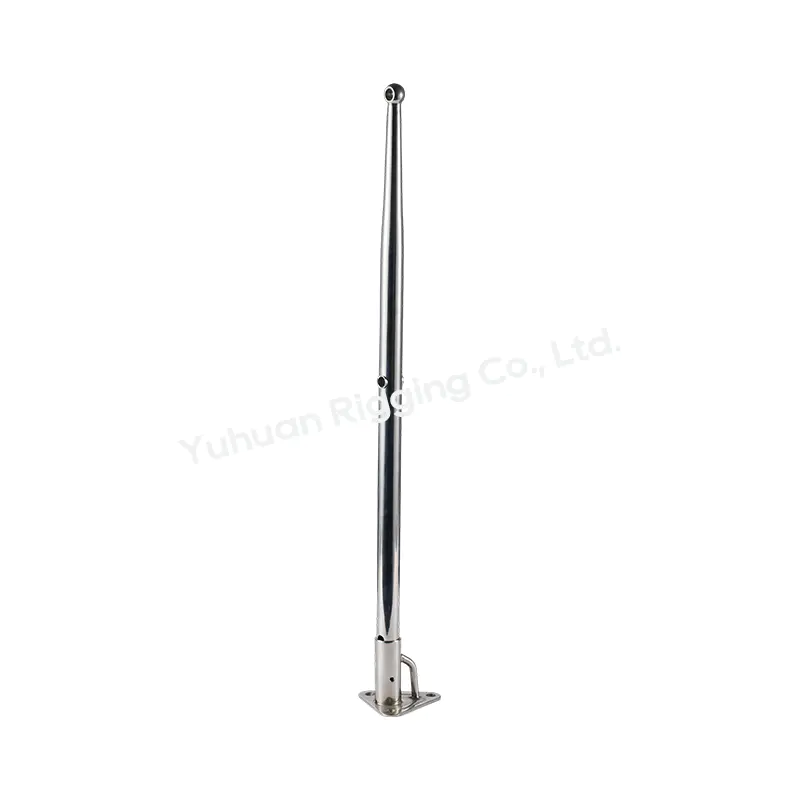
A yacht’s flag fitting may occupy only a small area of the deck, but it still has to work with surrounding hardware, available mounting space, and the vessel’s visual language. Marine Flag Poles are therefore part of a broader deck-hardware discussion rather than a standalone decorative item. For yacht builders, refit companies, and marine-equipment distributors, the pole, mounting base, finish, and flag size need to form a practical combination.
Deck Integration Comes Before Appearance
Marine Flag Poles are installed on specific parts of a vessel, so the mounting location can affect the entire arrangement. Stern rails, transoms, cockpit areas, and other deck positions provide different amounts of working space.
A boat flag pole that works well on an open stern may be unsuitable where a rail, hatch, or other fitting occupies the same area. The mounting point also determines the angle, height, and clearance of the pole.
For yacht hardware suppliers, dimensional coordination matters before a buyer selects a particular pole style.
Mounting Hardware Connects the Pole to the Vessel
The pole itself is only one part of the fitting. Bases, sockets, brackets, fasteners, and other components determine how it attaches to the vessel.
With Marine Flag Poles, the connection needs to correspond with the pole diameter and the structure of the deck or rail. A fixed socket creates a different installation from a removable holder, while an angled base changes the final position of the flag.
This makes the mounting component an important part of marine deck hardware procurement. Buyers often need to evaluate the pole and its supporting fittings as one assembly.
Material Selection Follows the Marine Environment
Saltwater, humidity, spray, and repeated outdoor exposure place different demands on deck fittings from those found in indoor applications. Stainless steel and aluminum are commonly considered for marine components because they offer different combinations of corrosion resistance, weight, strength, and finish.
For Marine Flag Poles, material selection should match the vessel and installation conditions. A pole used on an exposed exterior deck may require different treatment from one used in a more protected location.
The same applies to yacht hardware around the mounting area. Matching materials can also create a more consistent appearance across the deck.
Pole Length and Finish Affect the Installation
Length influences more than how high a flag sits. A longer boat flag pole creates a larger lever arm at its mounting point, while the flag itself adds wind exposure.
For Marine Flag Poles, pole length needs to be considered together with flag dimensions, mounting position, material, and support structure. A compact vessel may require a shorter pole because of limited deck space, while a larger yacht may have room for a taller installation.
Finish also affects the final appearance. Polished stainless steel, brushed surfaces, painted finishes, and other treatments can change how the pole sits beside surrounding marine deck hardware.
Removable and Fixed Systems Serve Different Needs
Some operators may want the flag pole to remain installed, while others may need to remove it for storage, transport, maintenance, or changing deck arrangements.
A removable boat flag pole can be useful where the stern area serves several purposes. A fixed installation may be more appropriate when the pole has a dedicated mounting location.
For yacht hardware distributors, these different approaches create room for products suited to different vessel layouts. The choice depends on how often the fitting needs to be removed and whether the mounting base should remain visible when the pole is not installed.
Compatibility Matters Across the Complete Fitting
B2B buyers sourcing Marine Flag Poles may be comparing more than pole length or material. Diameter, base type, mounting angle, fastener arrangement, finish, flag dimensions, and available deck clearance can all influence compatibility.
These details matter because marine deck hardware is usually installed as a connected group of components. A pole may meet its dimensional requirements yet still be difficult to integrate if the base or surrounding fittings do not match.
For manufacturers, this creates opportunities to develop related pole and mounting components as coordinated product ranges, with Marine Flag Poles treated as part of the same deck system.
Marine Flag Poles Have a Small but Specific Role
Marine Flag Poles remain a relatively small category within yacht equipment, but their installation involves several connected considerations. Mounting location, material, length, flag area, finish, and supporting fittings all contribute to the final result.
For B2B buyers, evaluation can start with the vessel and its deck arrangement, then move to the pole and mounting system. A boat flag pole should correspond with the available space, while yacht hardware can guide material and finish choices.
As yacht decks become increasingly organized around integrated hardware systems, Marine Flag Poles are better understood as one element within that arrangement rather than as an isolated accessory.
Related products
-
-
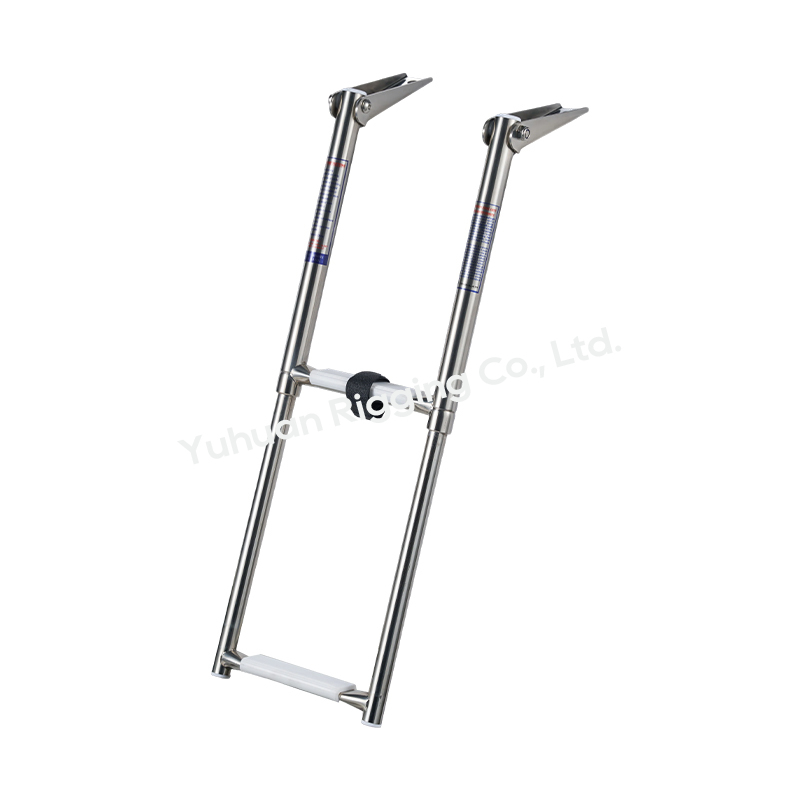
Compact and easy to install, this 2‑step ladder is a practical boarding solution for small yachts, bass boats, and fishing vessels – great value.Material: Marine‑grade stainless steel – rust‑proof and...
See Details -
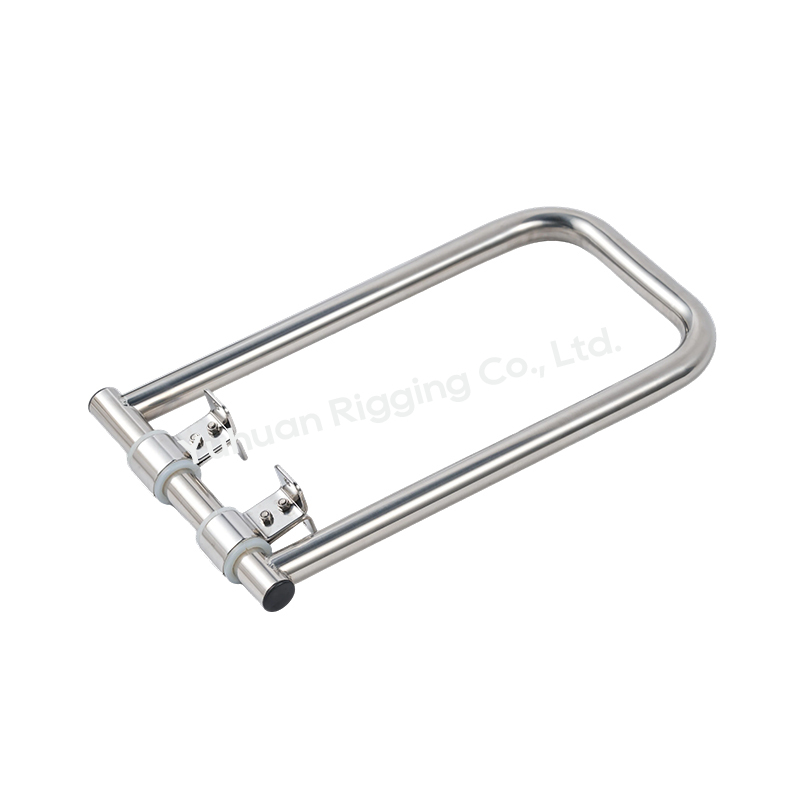
2-Step Fold Down Swim Ladder for Boats and Yachts features a compact fold-down style and high-polished AISI 316 stainless steel construction. The strong tubular frame provides dependable support, whil...
See Details -
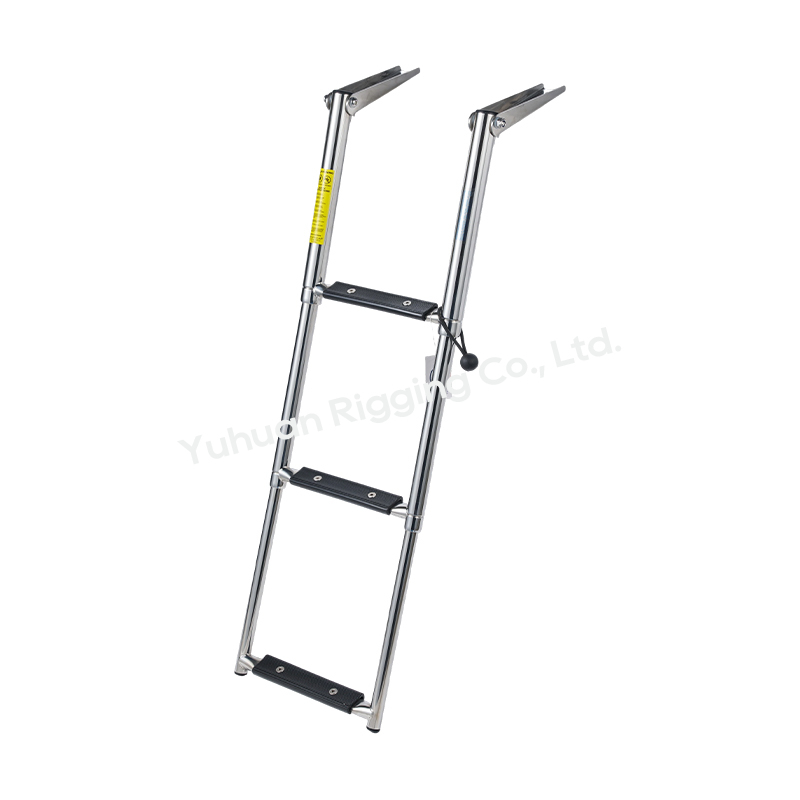
Sturdy and easy to mount, this 3‑step ladder suits small to medium yachts, fishing boats, and speedboats – a versatile boarding solution.Material: Polished marine stainless steel – resists salt spray ...
See Details -
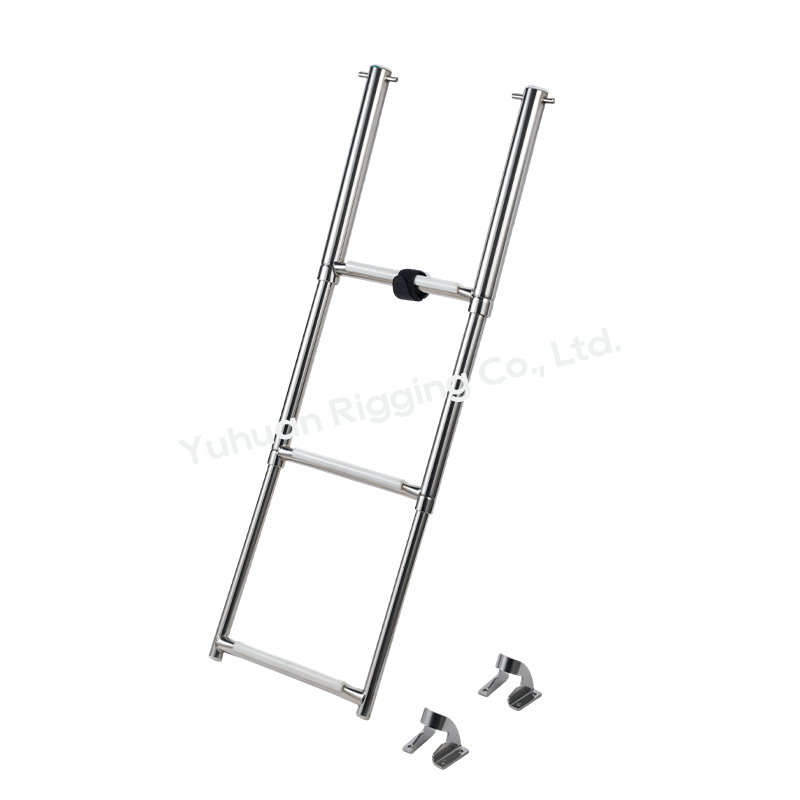
Marine Grade 316 Stainless Steel Telescopic Boat Ladder 254 mm x 875 mm offers a compact boarding solution with a smooth sliding extension system that moves in and out of the water without resistance....
See Details -
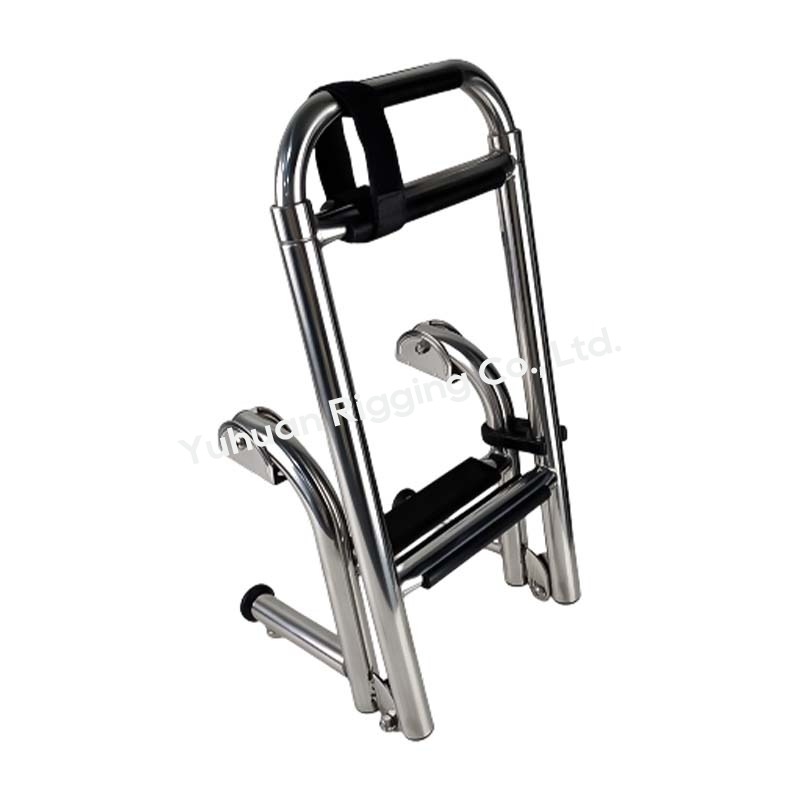
This Marine SS316 3-Step Folding Boat Boarding Ladder is designed for safe and convenient boarding on yachts, fishing boats, speedboats, and other recreational vessels. Made from marine-grade 316 stai...
See Details -
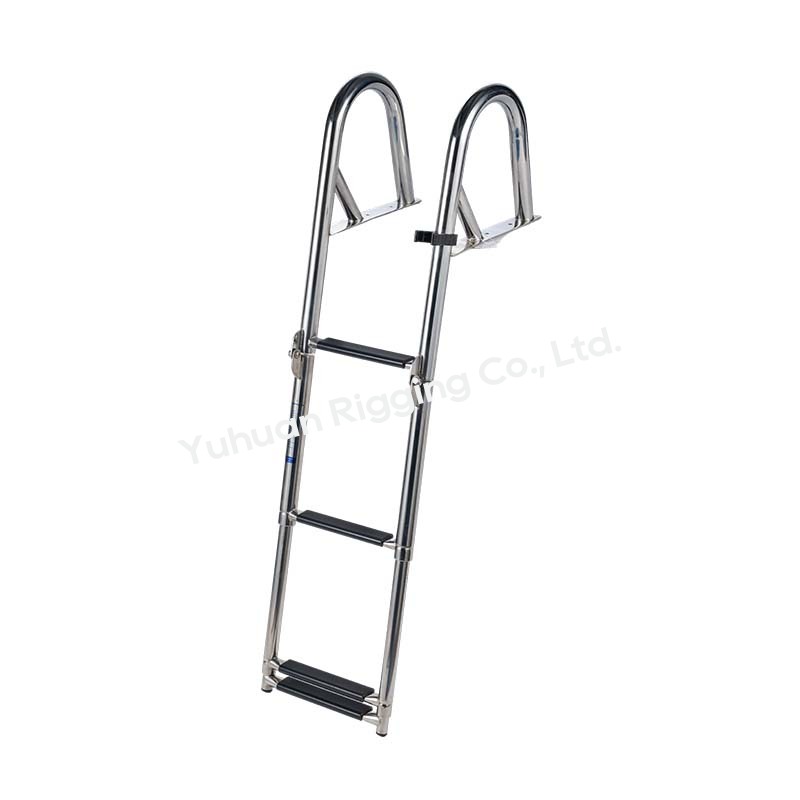
This Marine SS316 3-Step Recessed Telescopic Boat Ladder combines a compact storage design with dependable boarding performance for a wide range of marine applications. Built from marine-grade 316 sta...
See Details -
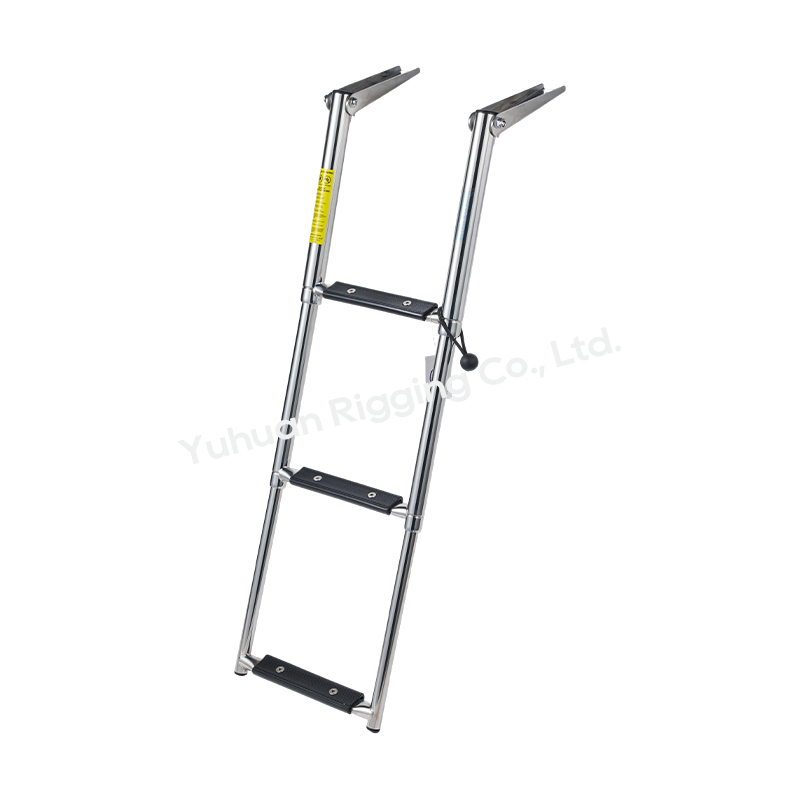
This Marine SS316 3-Step Telescopic Boat Boarding Ladder is designed for convenient boarding and water access on yachts, fishing boats, pontoons, and recreational vessels. Manufactured from marine-gra...
See Details -
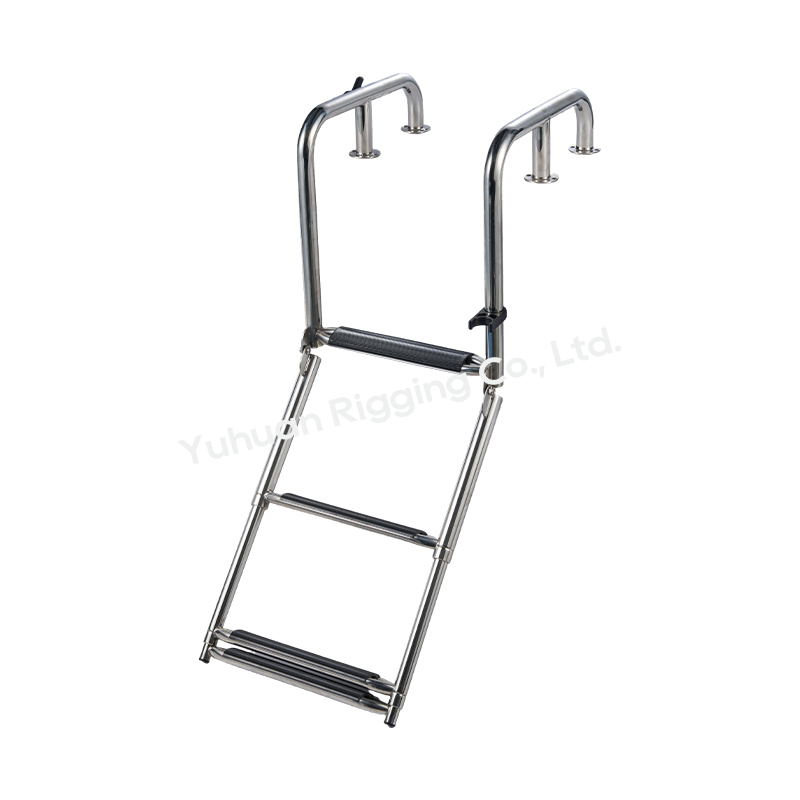
370mm Stainless Steel Telescopic Swim Platform Ladder combines a space-saving telescopic structure with integrated handrails, making boarding safer and more comfortable. Available in 3, 4, and 5-step ...
See Details -
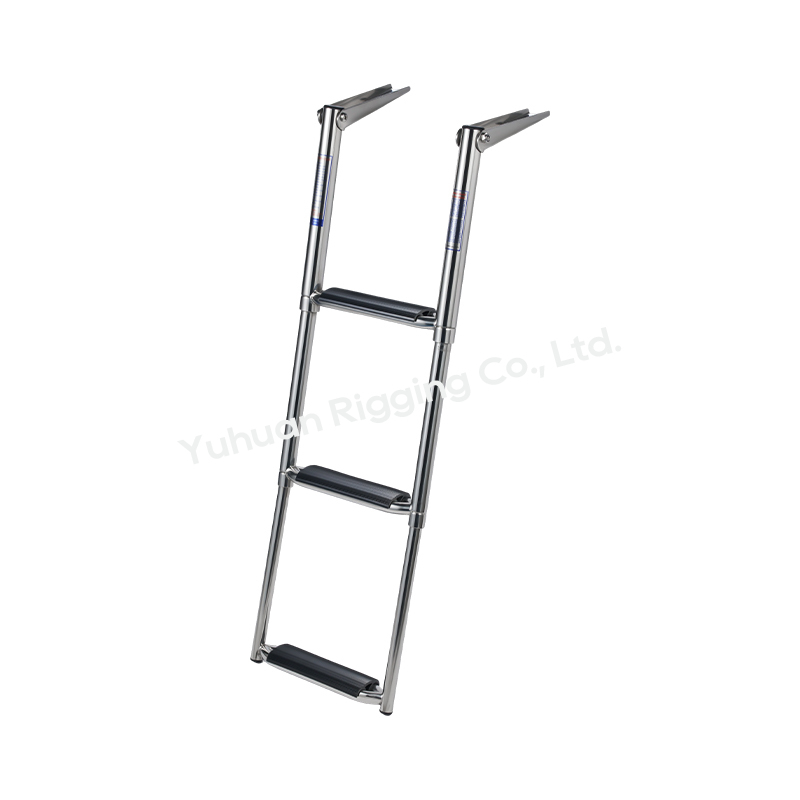
254mm Stainless Steel Telescopic Swim Platform Ladder features a compact three-step telescopic structure. The heavy-duty stainless steel frame offers excellent strength and stability, while the wide a...
See Details -
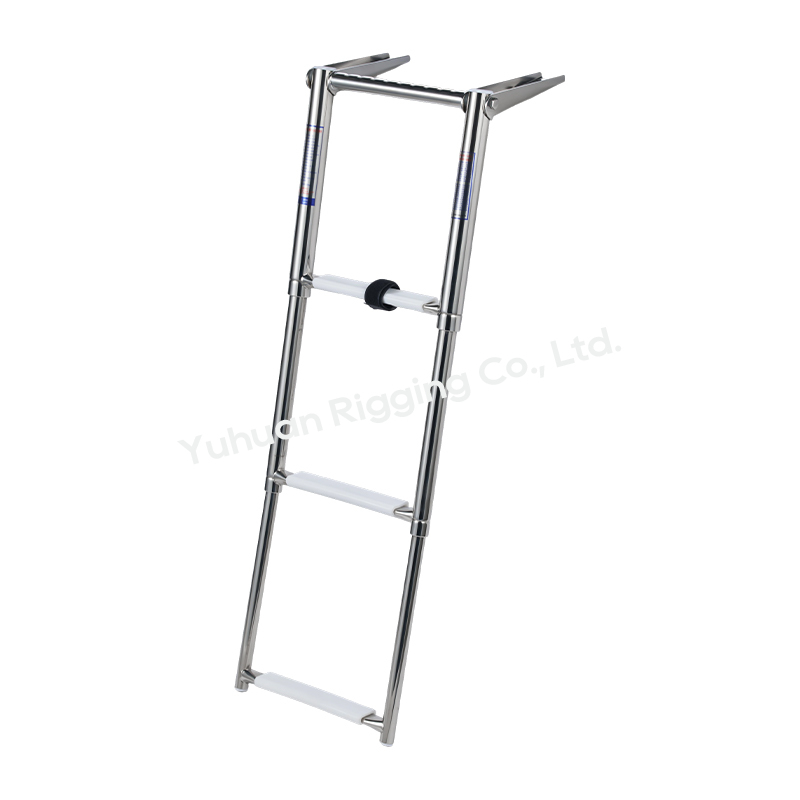
2-4 Steps Stainless Steel Telescopic Swim Platform Ladder offers a practical boarding solution with a smooth telescopic action and a choice of 2 to 4 steps to suit different boat heights. Strong mount...
See Details -
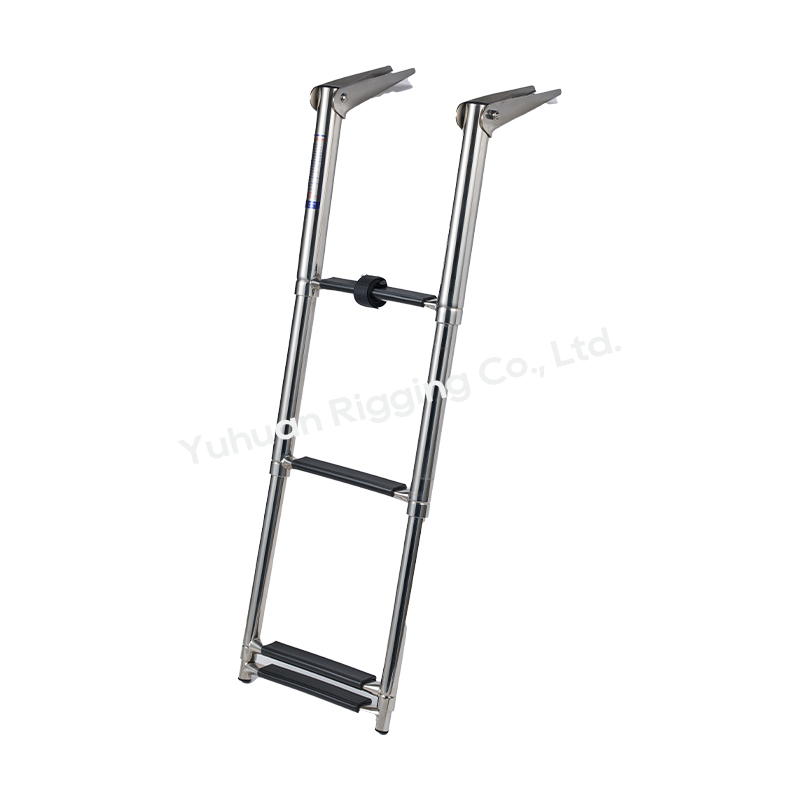
4-Step 316 Stainless Steel Telescopic Boat Boarding Ladder offers a secure and convenient way to board your boat after swimming, diving, or docking. The four-step telescopic structure provides extra c...
See Details

Copyright © Yuhuan Rigging Co., Ltd. All Rights Reserved.
Boat Fittings
