 English
 中文简体
中文简体 عربى
عربىDesigned for vessel platform boarding, this telescopic ladder combines convenience and safety – essential for yachts, fishing boats, and workboats.Material: Polished SS316 – corrosion‑resistant, thick...
See Details
What Materials Are Commonly Used for Marine Hardware and How to Choose?
Published on 07 13, 2026
The selection of materials for marine hardware is primarily based on four key factors: application environment, mechanical load requirements, corrosion resistance, and cost. Commonly used materials include 316L stainless steel (containing molybdenum, offering excellent resistance to seawater corrosion, suitable for deck hardware, handrails, fasteners, and other components directly exposed to seawater or high-humidity environments); 304 stainless steel (with good corrosion resistance and lower cost, ideal for interior trim and structures not in direct contact with seawater); marine-grade aluminium alloys (such as 5083 and 6061) (lightweight and corrosion-resistant, suitable for hull structures, outboard motor brackets, and masts); copper alloys (bronze/brass) (anti-biofouling and wear-resistant, commonly used for propellers, valves, and seawater piping fittings); engineering plastics (PA/PE/POM) (lightweight, insulating, and weather-resistant, ideal for pulleys, bushings, cable sheaths, and other friction-moving parts); and for high-end applications, titanium alloys (offering extremely high corrosion resistance and low weight, often used for propeller shafts and critical fasteners on luxury yachts).
In practice, the core principles for material selection are as follows: for components in direct contact with seawater or exposed to high-salt atmospheres, priority should be given to 316L stainless steel or copper alloys; for high-structural-load applications, 5083 aluminium alloy or high-strength stainless steel is recommended; for interior trim or light-load scenarios, 304 stainless steel or surface-treated aluminium alloys can be selected to balance cost; and for friction-moving parts, engineering plastics or bronze bushings are preferred to achieve an optimal balance between wear resistance and corrosion protection. A rational combination of materials, paired with appropriate surface treatments (such as electropolishing, anodising, or antifouling coatings), is essential to ensure that marine hardware delivers reliable performance, safety, and cost-effectiveness throughout its entire service life.
Related products
-
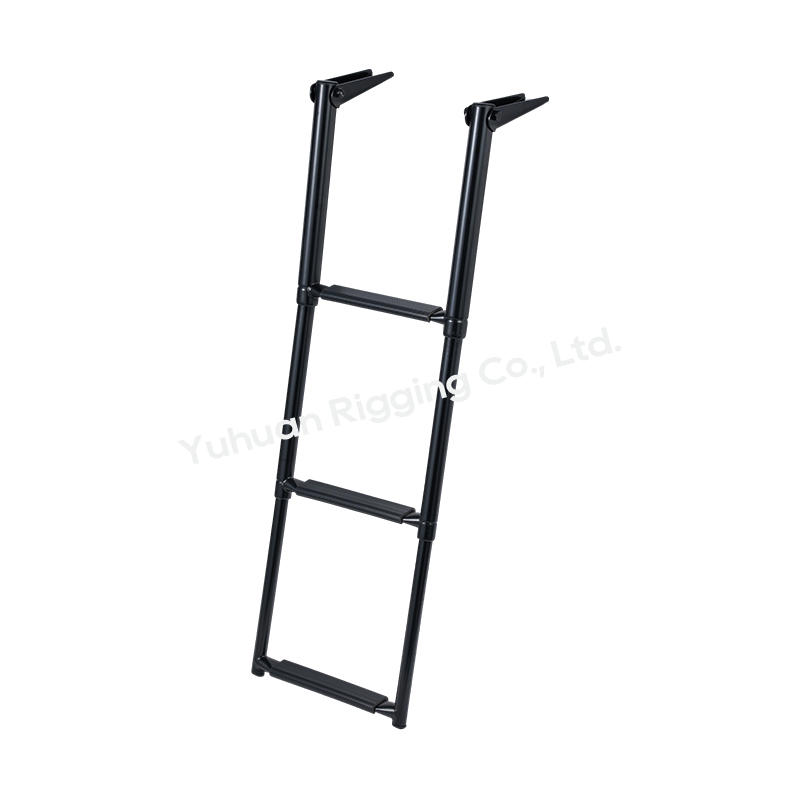
-
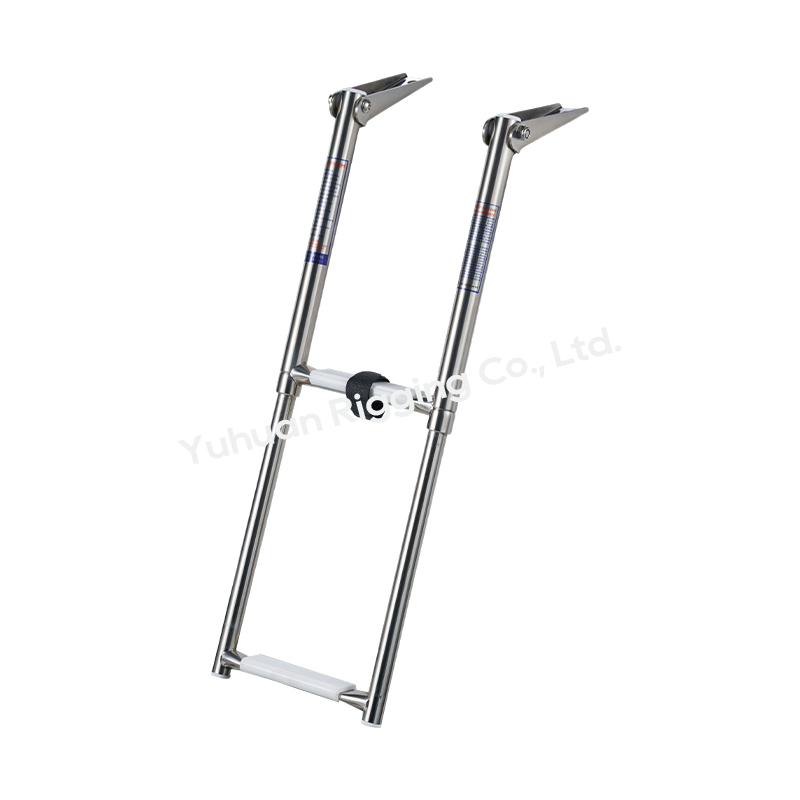
Compact and easy to install, this 2‑step ladder is a practical boarding solution for small yachts, bass boats, and fishing vessels – great value.Material: Marine‑grade stainless steel – rust‑proof and...
See Details -
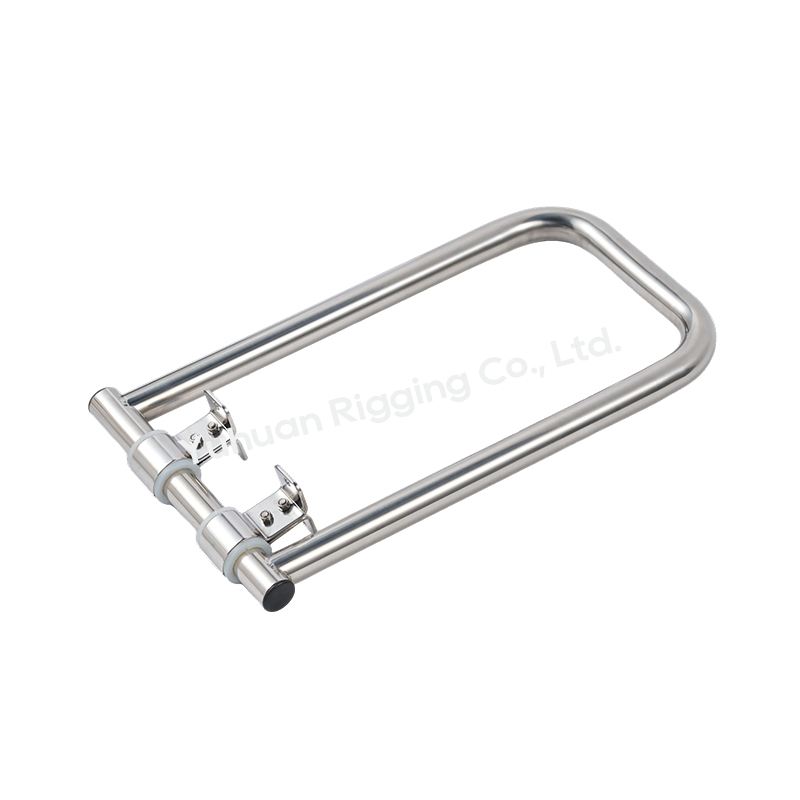
2-Step Fold Down Swim Ladder for Boats and Yachts features a compact fold-down style and high-polished AISI 316 stainless steel construction. The strong tubular frame provides dependable support, whil...
See Details -
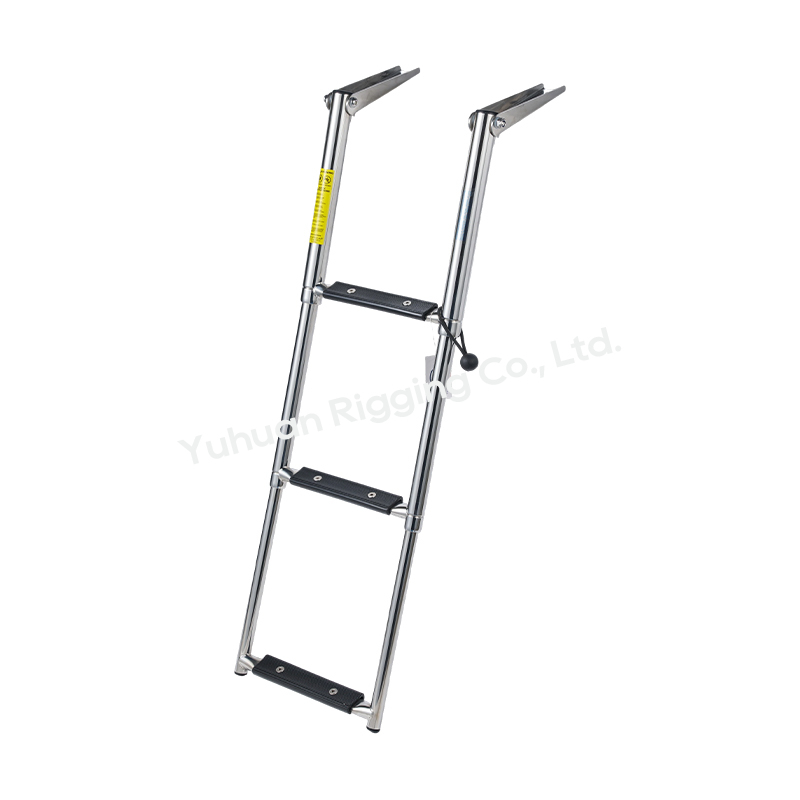
Sturdy and easy to mount, this 3‑step ladder suits small to medium yachts, fishing boats, and speedboats – a versatile boarding solution.Material: Polished marine stainless steel – resists salt spray ...
See Details -
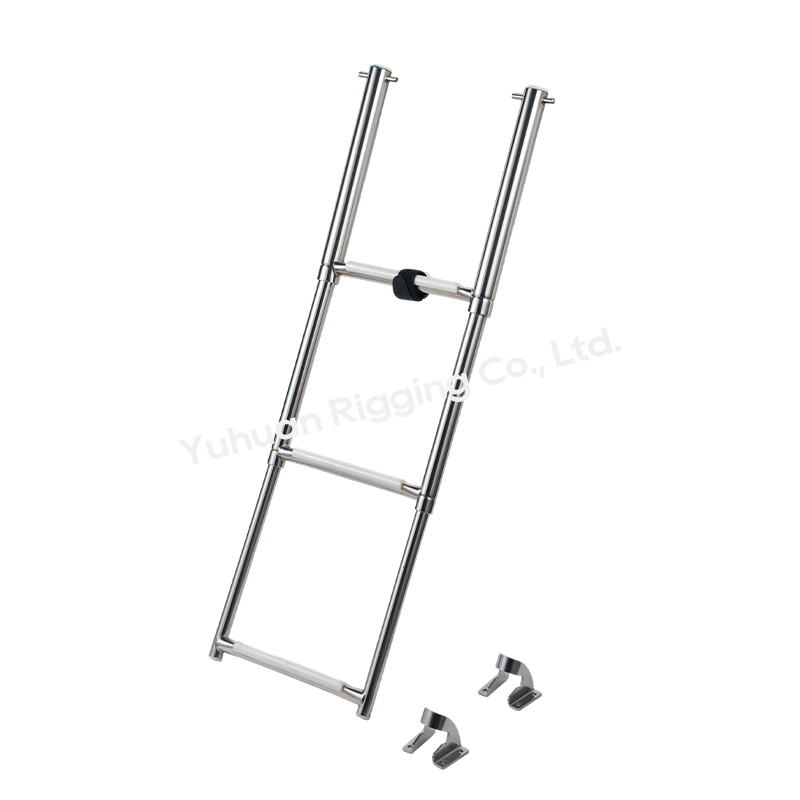
Marine Grade 316 Stainless Steel Telescopic Boat Ladder 254 mm x 875 mm offers a compact boarding solution with a smooth sliding extension system that moves in and out of the water without resistance....
See Details -
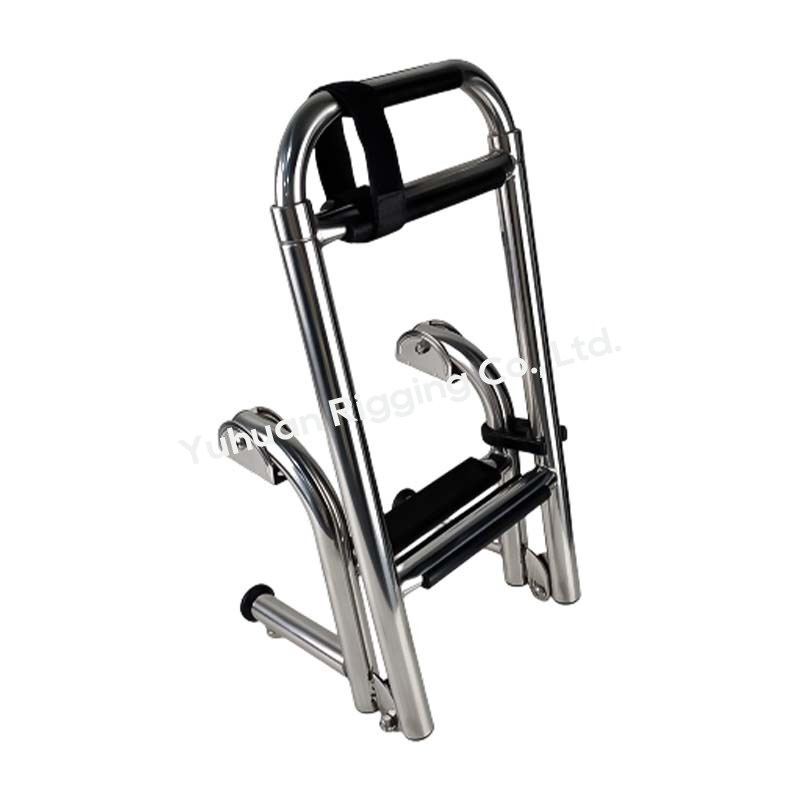
This Marine SS316 3-Step Folding Boat Boarding Ladder is designed for safe and convenient boarding on yachts, fishing boats, speedboats, and other recreational vessels. Made from marine-grade 316 stai...
See Details -
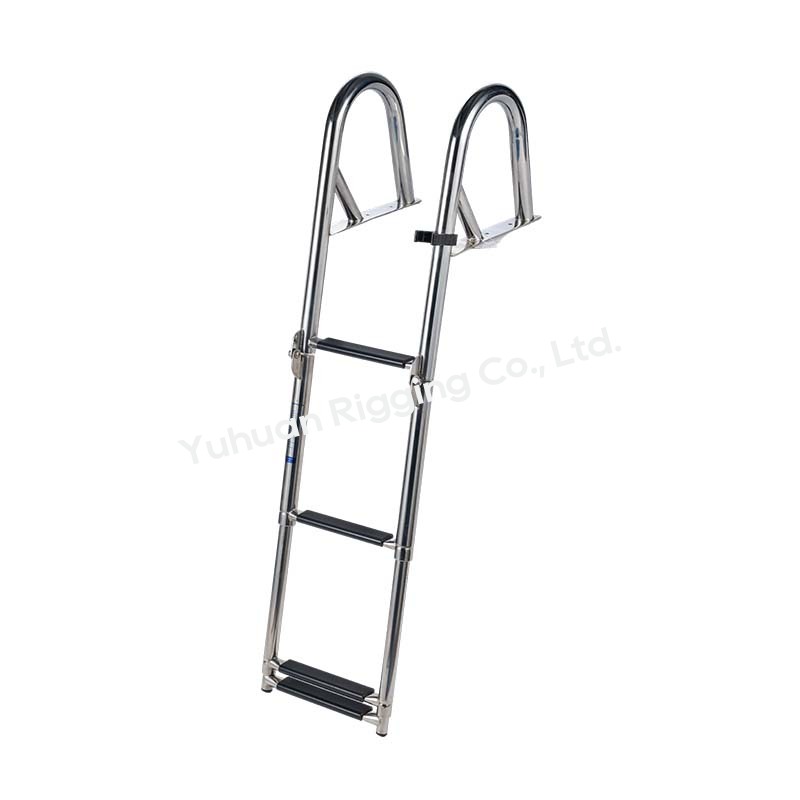
This Marine SS316 3-Step Recessed Telescopic Boat Ladder combines a compact storage design with dependable boarding performance for a wide range of marine applications. Built from marine-grade 316 sta...
See Details -
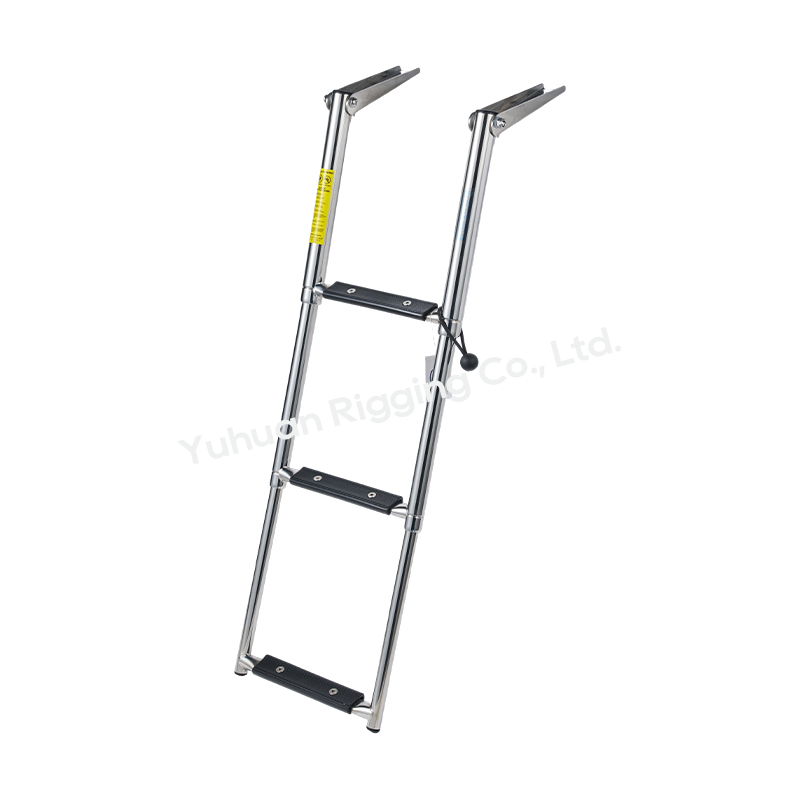
This Marine SS316 3-Step Telescopic Boat Boarding Ladder is designed for convenient boarding and water access on yachts, fishing boats, pontoons, and recreational vessels. Manufactured from marine-gra...
See Details -
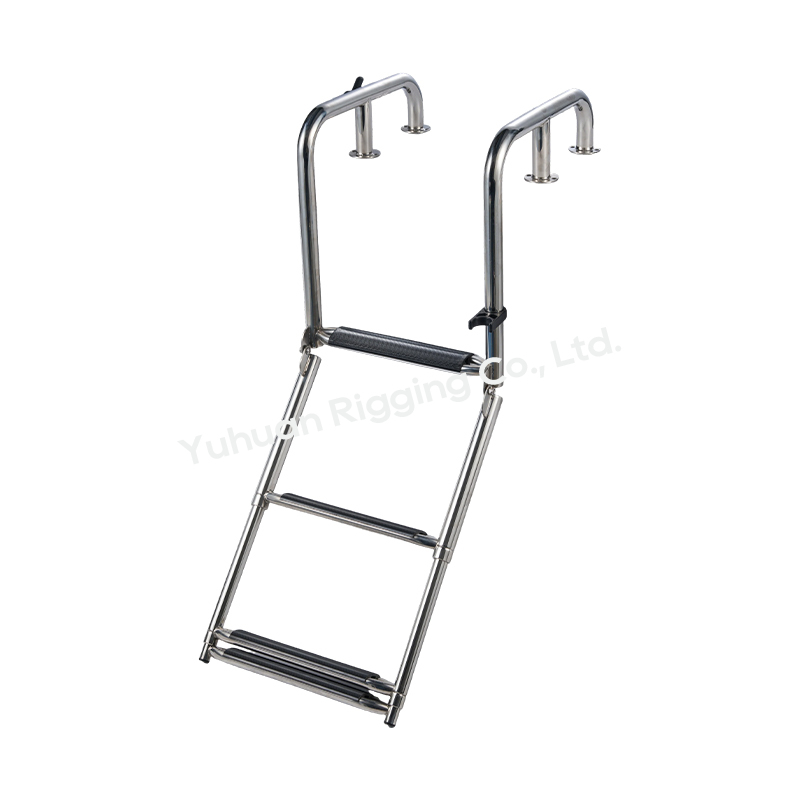
370mm Stainless Steel Telescopic Swim Platform Ladder combines a space-saving telescopic structure with integrated handrails, making boarding safer and more comfortable. Available in 3, 4, and 5-step ...
See Details -
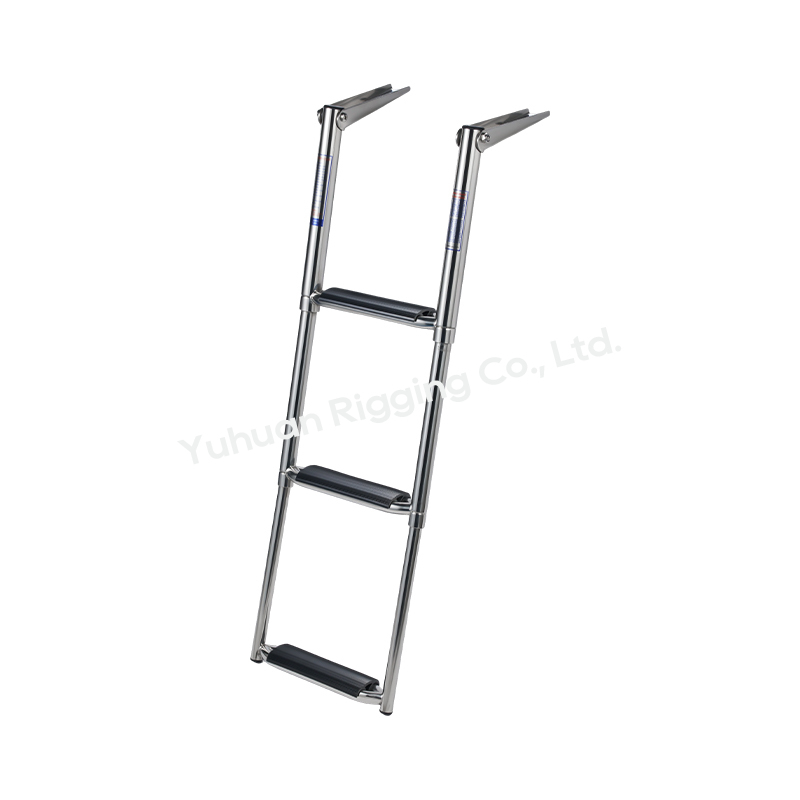
254mm Stainless Steel Telescopic Swim Platform Ladder features a compact three-step telescopic structure. The heavy-duty stainless steel frame offers excellent strength and stability, while the wide a...
See Details -
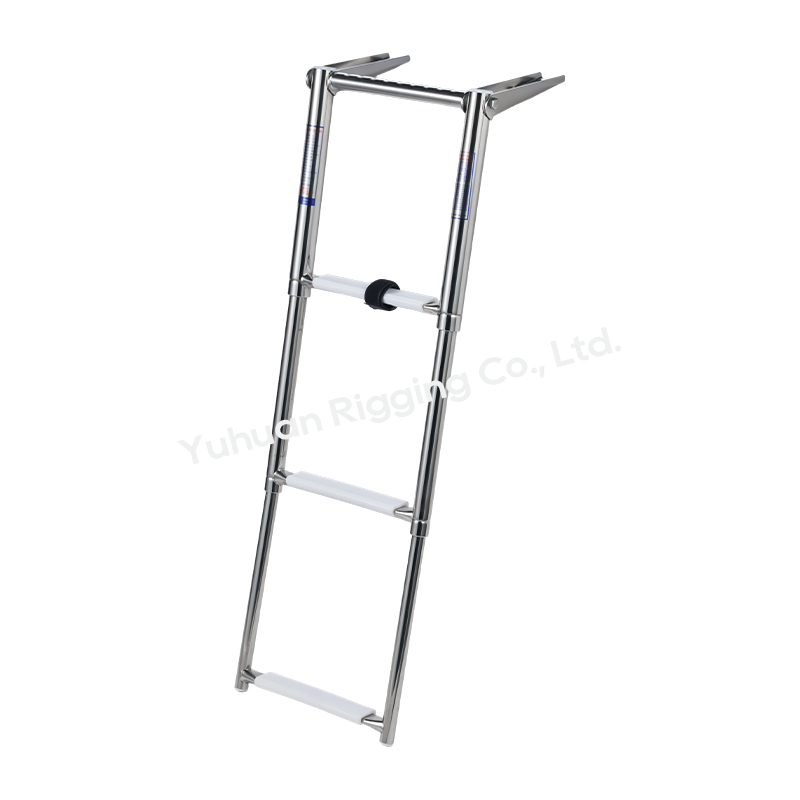
2-4 Steps Stainless Steel Telescopic Swim Platform Ladder offers a practical boarding solution with a smooth telescopic action and a choice of 2 to 4 steps to suit different boat heights. Strong mount...
See Details -
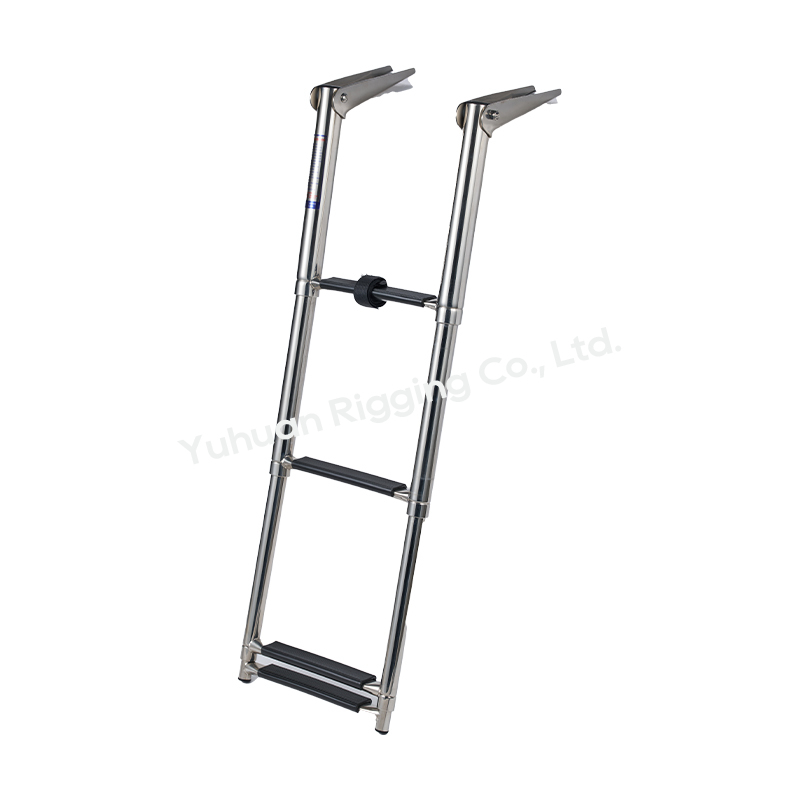
4-Step 316 Stainless Steel Telescopic Boat Boarding Ladder offers a secure and convenient way to board your boat after swimming, diving, or docking. The four-step telescopic structure provides extra c...
See Details

Copyright © Yuhuan Rigging Co., Ltd. All Rights Reserved.
Boat Fittings
